
ADVOCACYNET 424, March 3, 2025
Tatenda Scores Big in Zimbabwe With a Lift from American High School Students
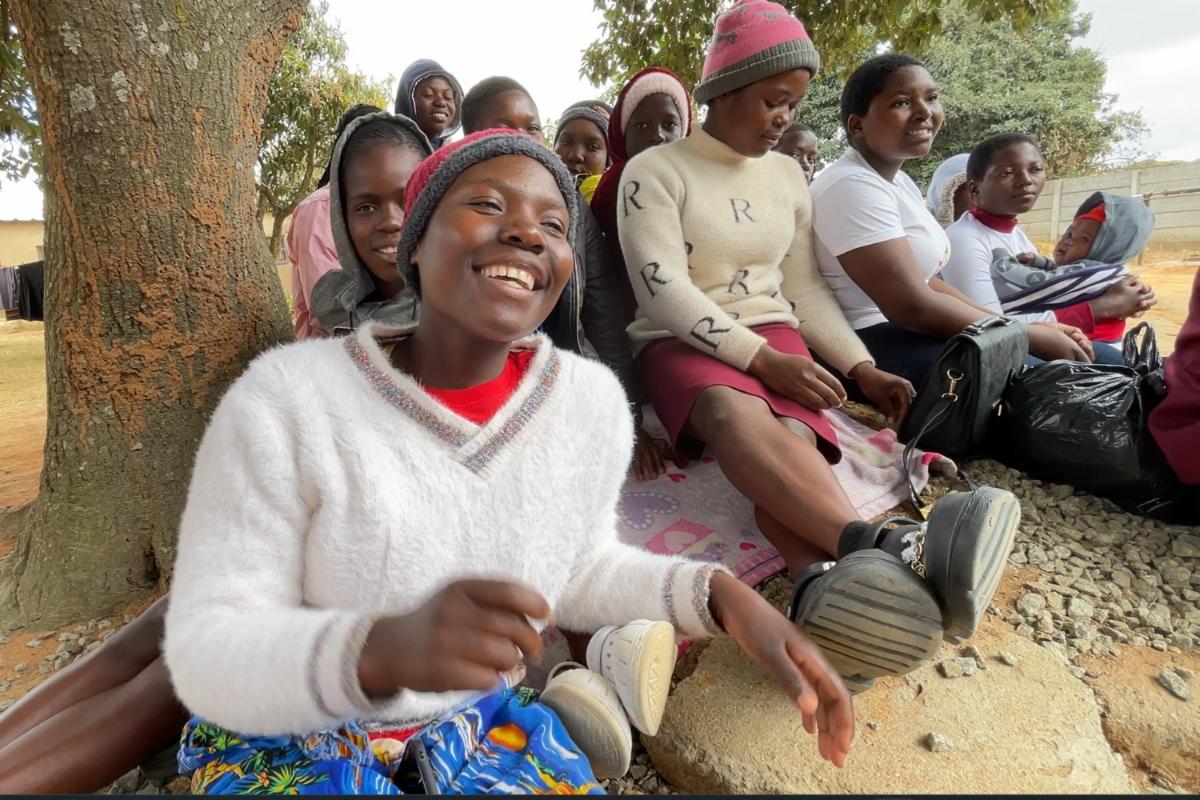
Tatenda Mukanya, 19, recently graduated from school after American high school students raised money for her school fees. Tatenda is a leader of the Epworth girls’ club in Harare. Check out her marching skills and hear her views about peer pressure and marriage.
The Advocacy Project (AP) is applauding two students from poor neighborhoods in Zimbabwe who recently graduated from high school after their school fees were paid by students in the US.
Tanatswa Chaya and Tatenda Mukanya (photo), both 19, completed six years of school in December, thanks to fifteen students in Nashville, Atlanta and Arlington who have raised $2,940 for girls’ education in Zimbabwe by selling soap.
Thirty-eight girls in Zimbabwe have benefited and Tanatswa and Tatenda are the first to graduate, much to the delight of their American benefactors.
“This is amazing!” said Sahasra Thokala, 17, who heads the soap-makers in Atlanta and is herself heading to college in the Fall. “I’m so incredibly grateful to be a part of their lives and educational journey!”
Seven students in Zimbabwe have attended school this year as part of a broad campaign to curb early marriage run by Women Advocacy Project (WAP), an AP partner since 2018. Over a third of all girls in Zimbabwe marry before the legal age of 18, mainly as a result of poverty.
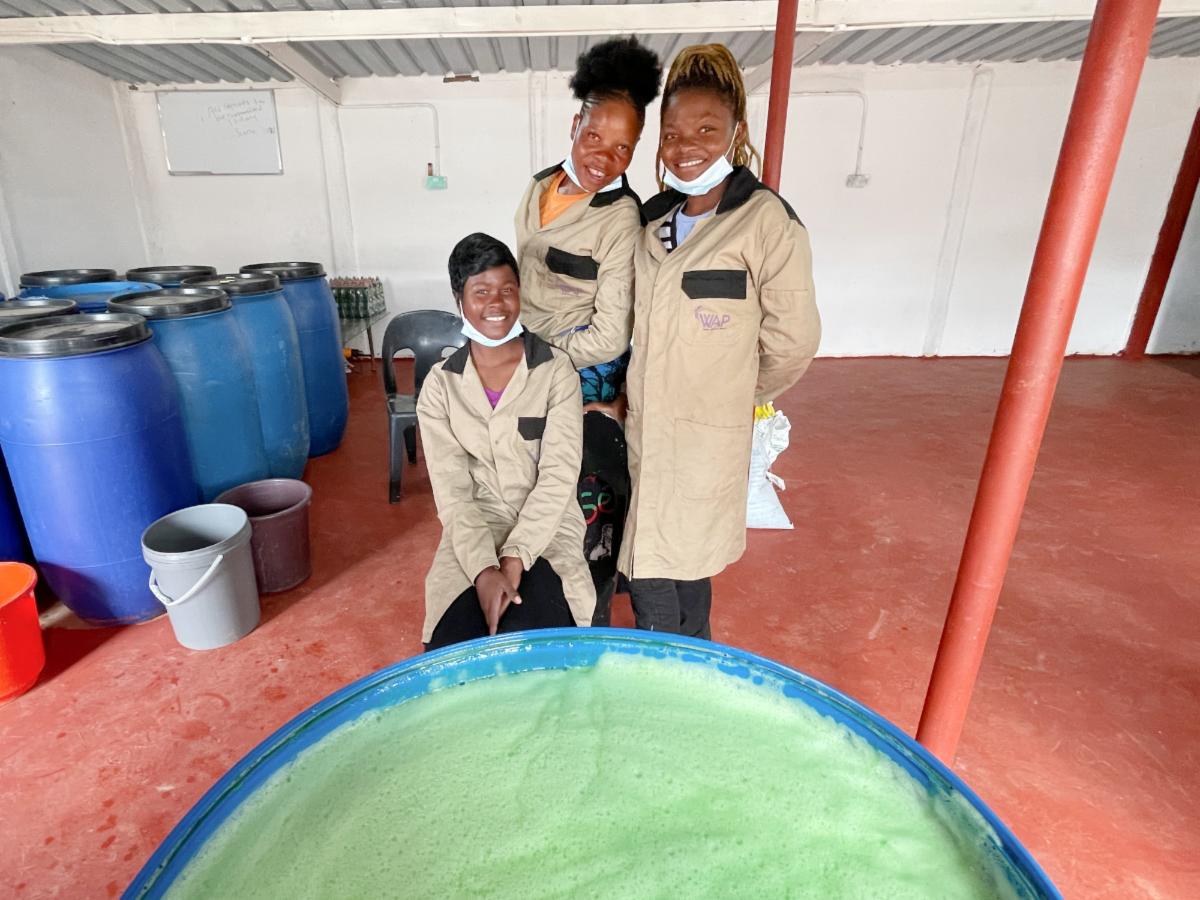
In 2019 WAP responded by training girls in two under-served neighborhoods to make soap, using $1,766 of seed money from AP. The girls named their soap Clean Girl and filled around 3,000 bottles by the end of the year.
The business then took off and in 2024 over a hundred girls filled and sold 88,914 bottles, at a dollar apiece. Each girl received $656, which in some cases was more than their parents earned. Over 300 girls have worked on the program since 2019 and none has married under the legal age of 18.
*
Education was folded into the soap program in 2023 after an AP Peace Fellow, Dawa Sherpa, found that over half of the soap-makers had not completed school. Even with the money she was earning from soap, Tatenda’s family was struggling to pay her school fees, which were running at $160 a term.
Tatenda herself acknowledged the link between school, money and marriage in this interview in July 2023 in which she recalled being pressured by other girls to find money by dating – a sure-fire way to get sucked into marriage and say goodbye to school.
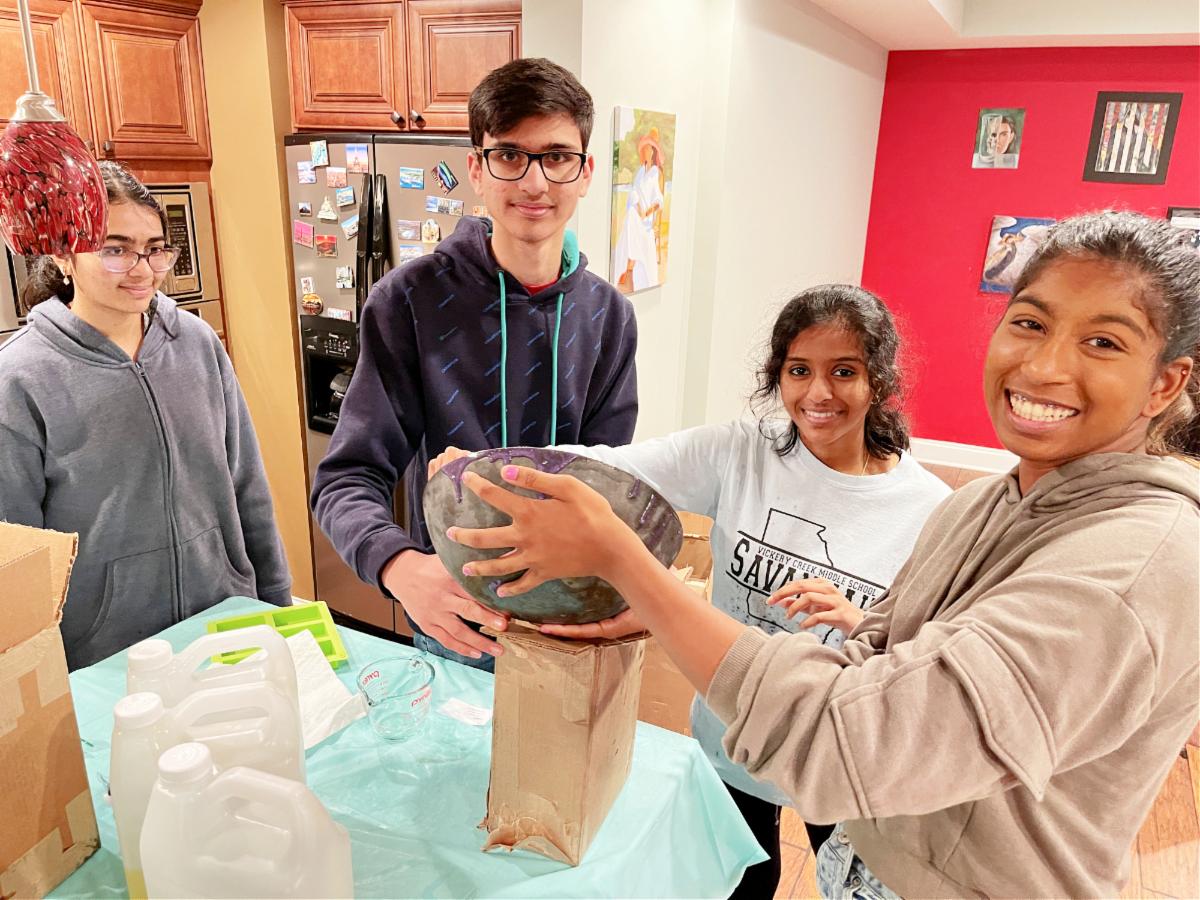
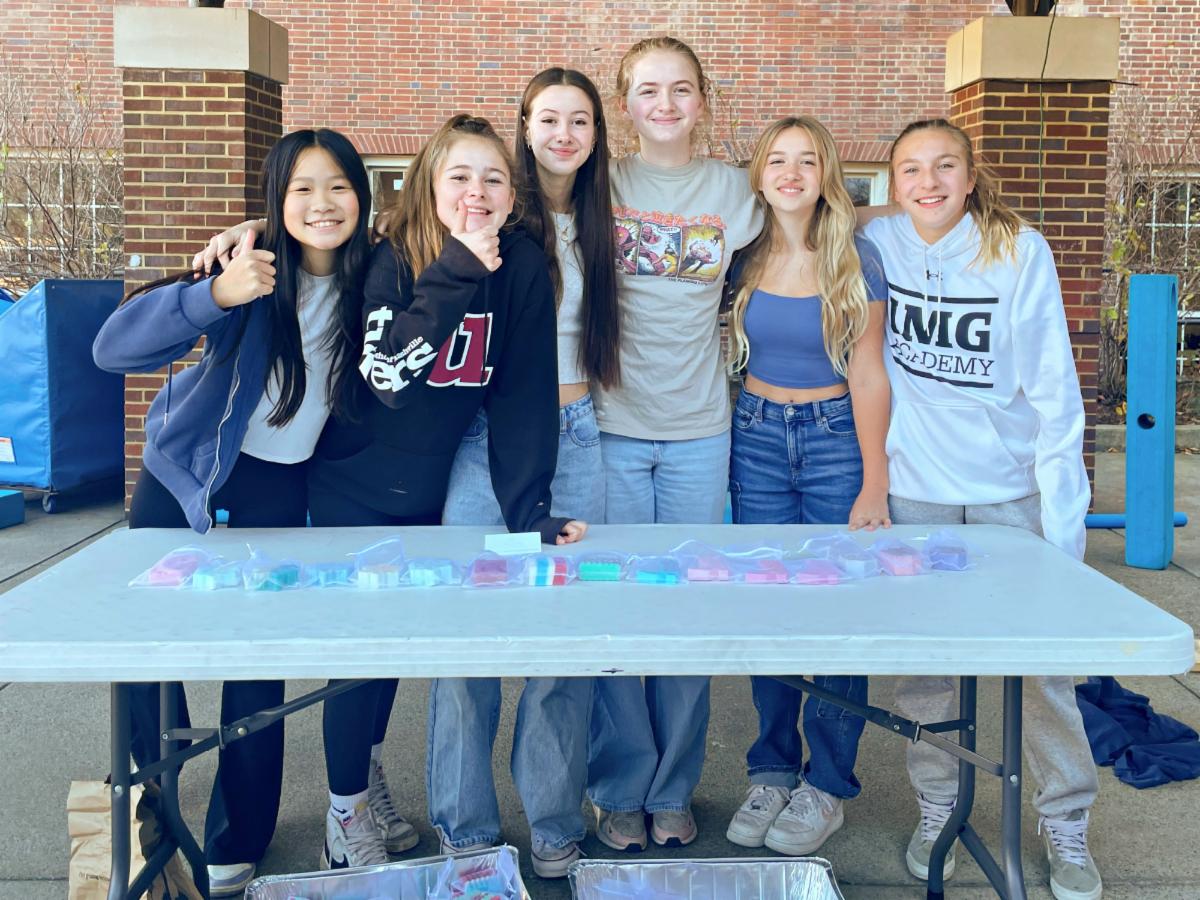
AP set up a modest education fund and put out the word to schools in the US. Two groups responded, from the Girl Up Club at the Wakefield High School in Arlington, Virginia, and the VIBHA club at the South Forsyth School in Atlanta, Georgia. A third group from the University School in Nashville, Tennessee, led by Ruby Meador, 13, started making soap in 2024.
The three teams turned to YouTube and – after some trial and error – developed their own brand of Clean Girl soap which they sold to neighbors and at markets, much as the girls were doing in Zimbabwe.
As soap-making gathered pace in the two countries, some of the girls met on Zoom and shared videos. Paidamoyo in Zimbabwe impressed everyone with her dancing, while Ruby took the plunge in an icy pool in Nashville.
*
The education fund marks another win for WAP, which has remained upbeat and enterprising while Zimbabwe’s economy has crumbled and international aid has tightened.
Dickson Mnyaci, who manages the WAP soap business, explained in a call from Harare that the biggest challenge comes from cheap local soap. This forces WAP to sell Clean Girl for a dollar a bottle and yields a tiny profit margin.
WAP has responded with clever marketing that has used WhatsApp to create demand for the Clean Girl brand and helped the girls build a network of loyal customers. Mr Mnyaci has also used profits from the business to purchase machinery from China that will increase productivity by speeding up the mixing of soap and making bottling more efficient.
WAP’s strong results, combined with good business practice, attracted $73,877 from six donors in the US, Switzerland, Germany, and South Korea last year. The latest to sign up, Stichting Tools 4 Change in the Netherlands, has given computers for a new training center.
The soap program also received a $500 donation from Ms Sherpa, the former WAP Peace Fellow.
Ms Mugari, WAP’s founder, explained that soap and school are part of a larger campaign to help girls resist early marriage and other bad habits. This is built around clubs where girls can meet, share concerns and report threats to Ms Mugari. “We are replacing peer pressure with peer support,” she said.
As the soap program grows in Harare, so do its chances of triggering change on a larger scale. The first to be won over were parents, who expressed some skepticism to AP during a visit in 2019. WAP has also built partnerships with community leaders and local government in the communities of Waterfalls, Epworth, and Chitungwiza.
Ultimately, however, success hinges on the engagement of the girls and their leaders like Tatenda, who joined the Epworth girls’ club after rejecting the lure of dating men: “Once I came here my life changed for good,” she said. “Now I can stand on my own, because I have my own money.”
AP recently transferred another $1,000 to the education fund and maintains this appeal on GlobalGiving for new donations. Our heartfelt thanks to those who have given and to the high school soap-makers.
The following organizations have invested in WAP: Rockflower (US); Action for World Solidarity (Germany); Together Women Rise (US); Korea Hope Foundation (South Korea); Women World Day of Prayer (Germany); Fund for Development and Partnership in Africa (Switzerland); Stichting Tools 4 Change (Netherlands); Girls Not Brides (UK); New Life Fund (Belgium).
Like this article? Email us with feedback!

*