ADVOCACYNET 437, April 17, 2026
Rohingya refugees in Bangladesh grow vegetables as their food aid is slashed
Challenging UN claims that aid cuts will not affect nutrition
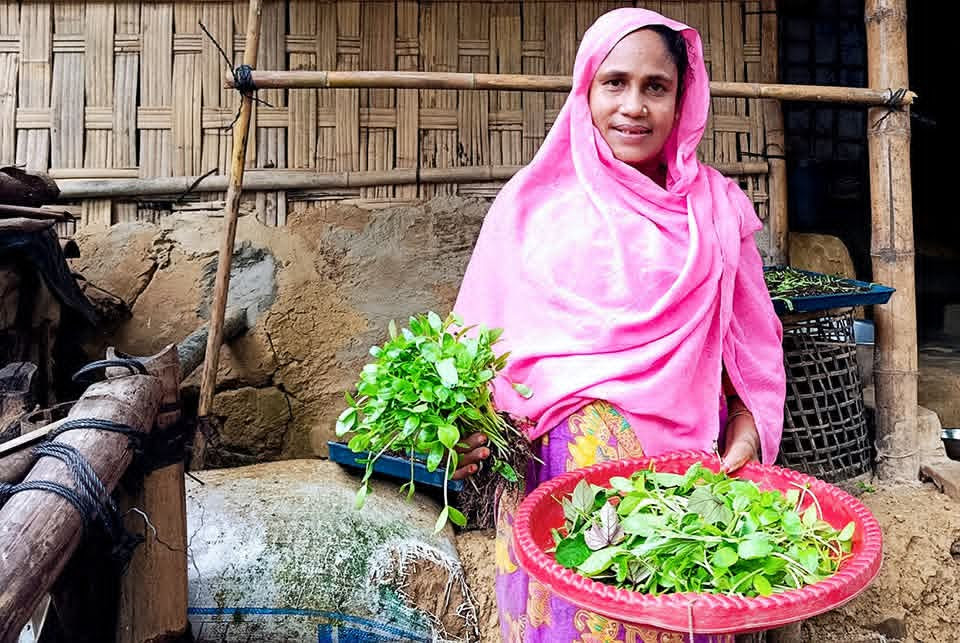
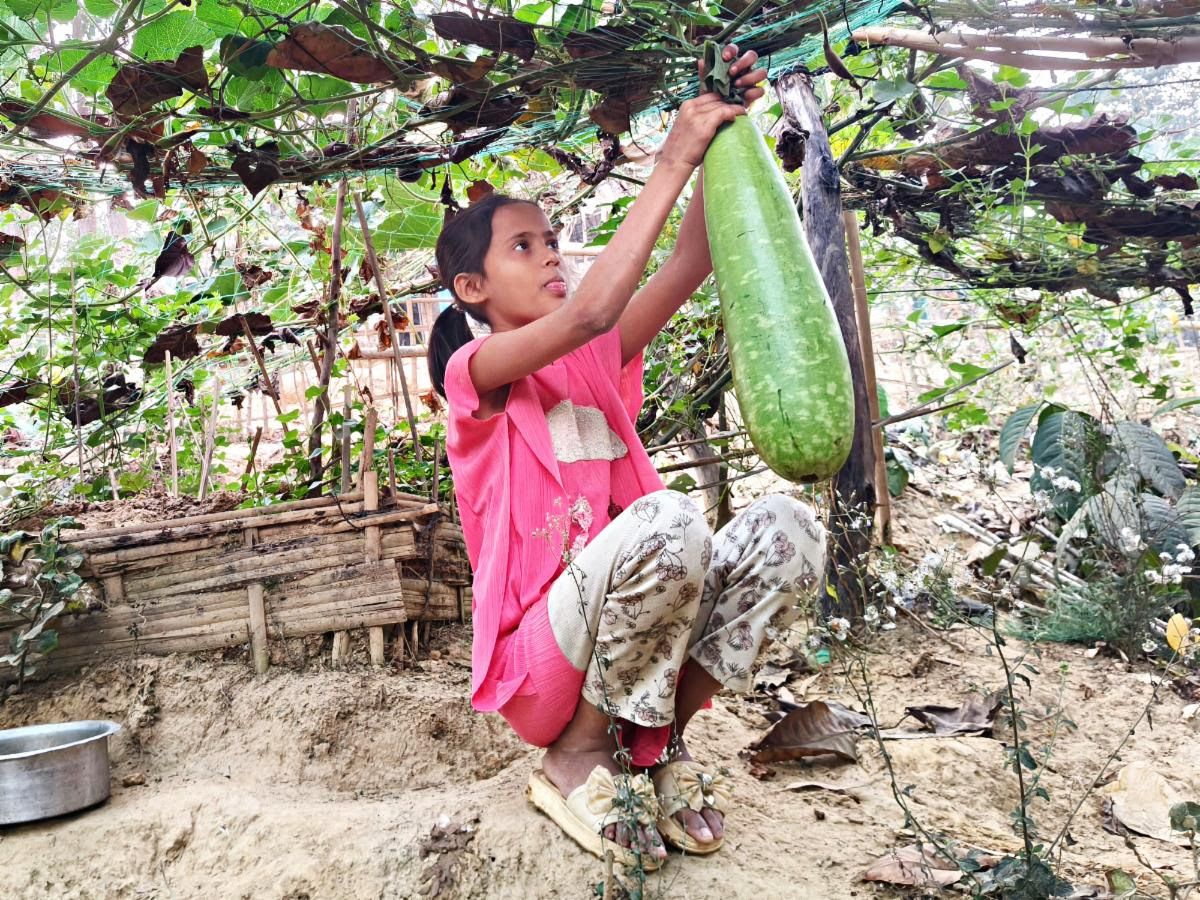
In a show of defiance and confidence at a time when international food aid to the Rohingya refugees in Bangladesh is being drastically reduced, forty refugee families in the Jamtoli refugee camp have grown 1.4 tons of nutritious vegetables in makeshift kitchen gardens.
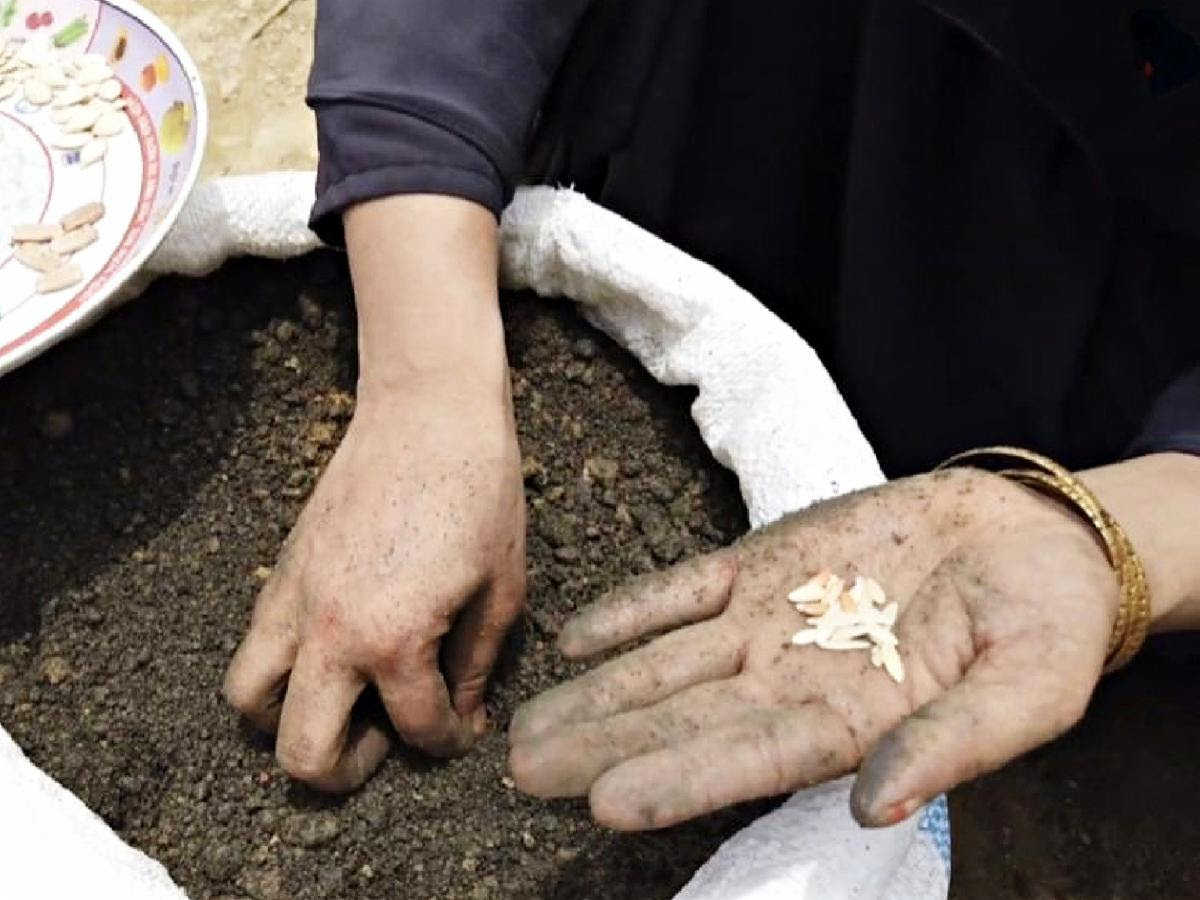
The families began growing last December after receiving training, tools and seeds from the Rohingya Education and Advocacy League (REAL), an association of young refugee men in Jamtoli, with a start-up grant of $1,000 from The Advocacy Project (AP).
REAL has been monitoring the experiment carefully and with the harvest now complete the families have grown 1,389.5 kilos of food, according to Maung Myint Swe, the REAL coordinator and project leader. This included 999.5 kilos of gourds; 169 kilos of beans and lentils; and 221 kilos of eggplant.
Twenty-five families also sold vegetables, while 18 families grew seeds for use in the next planting.
The result has delighted REAL members who were not sure that they could even grow food in one of the world’s most crowded refugee camps. “This is a huge amount!” said Mr Myint Swe in a WhatsApp call from the camp. “And it is not just about growing food. This shows that Rohingyas need not be dependent on food aid and that they can help their own survival.”
Mr Myint Swe estimated that over 300 individuals have probably benefitted from the start-up if one includes neighbors and friends who purchased vegetables from the families.
*
The REAL start-up has acquired sudden relevance following a highly controversial decision by the World Food Programme (WFP) to drastically cut food rations to the Rohingyas starting April 1.
WFP is feeding almost 1.2 million Muslim Rohingyas who have fled from Burma into Bangladesh. Most left Rhakine State in 2017 following savage repression by the Burmese military. Another 150,000 have arrived since 2024 after fleeing from famine, fighting and the rebel Arakan Army which is fiercely hostile to the Rohingyas.
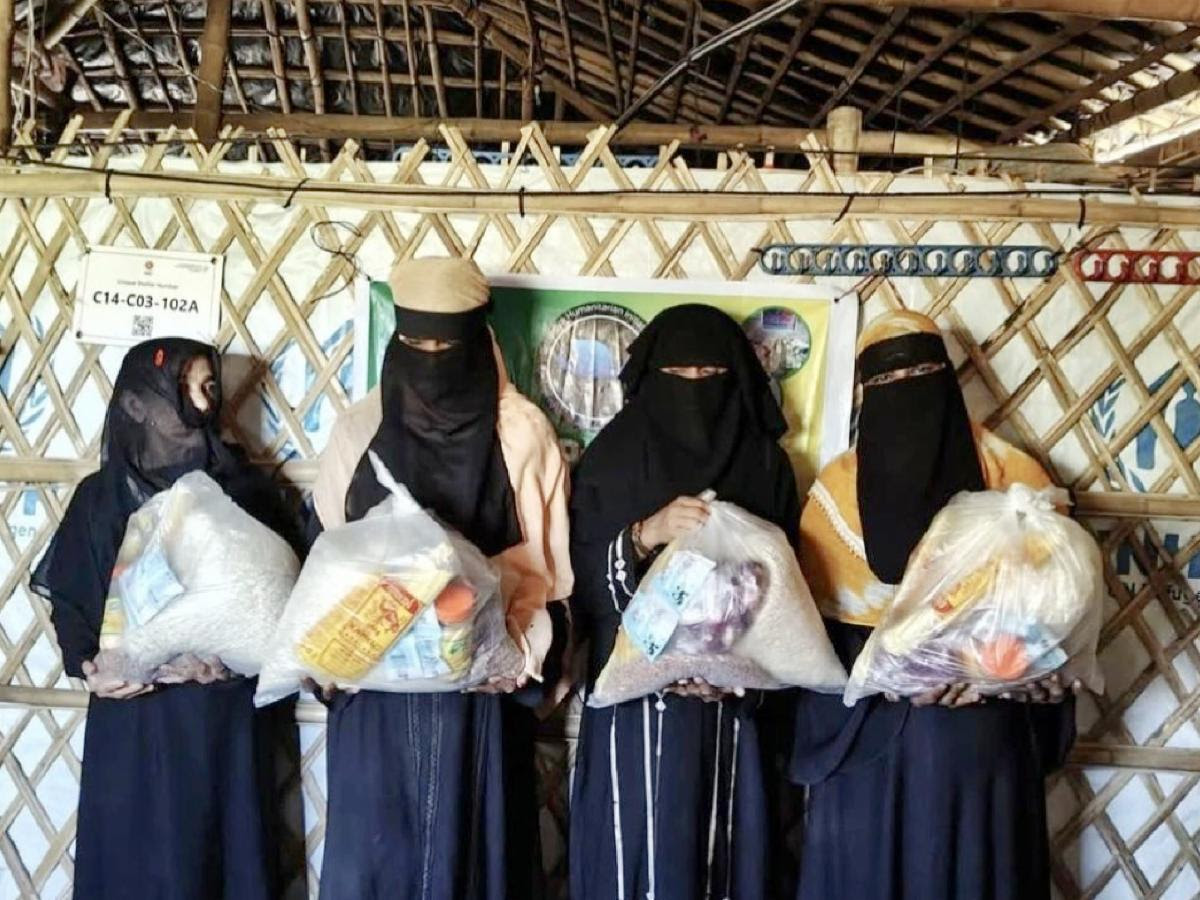
Before April 1, each Rohingya refugee had received the equivalent of $12 of food a month. Under the new system, based on a Targeting and Prioritization Exercise (TPE), food will be given out to three categories of refugees based on their perceived need.
Families that are headed by a person with disability, child or woman are defined as “extremely food insecure” and will continue to receive $12 a month. Families without a woman of reproductive age or young children will qualify as “food insecure” and will receive $7 a month. Families in between are described as “highly food insecure” and will receive $10.
According to one estimate, a third of the refugees will continue to receive the full $12 while the rest will experience a cut. Around 17% will see their monthly rations reduced to $7.
*
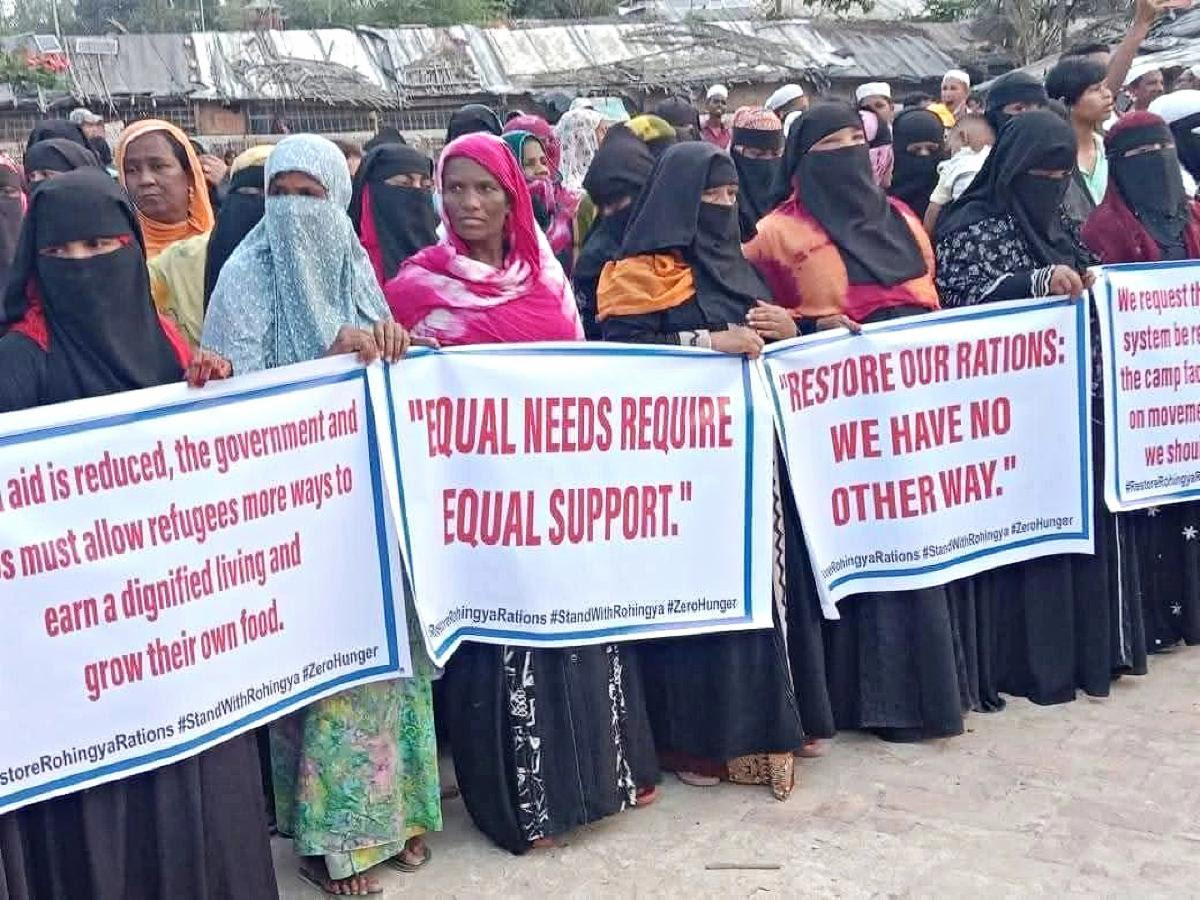
The new system has provoked furious protests throughout the camps as well as hunger strikes, according to Mr Myint Swe. Demonstrators carried placards warning of starvation and asserting that “food is a right, not a choice.”
There had been speculation that the new policy was prompted by funding cuts from the United States, which is WFP’s main source of food and money. But a WFP statement said that the agency’s needs are covered to November and that the decision had been taken on the basis of fairness rather than funds. It described the TPE assessment as “a more effective, equitable and proportional allocation of food assistance aligned with humanitarian food requirements.”
Mr Myint Swe from REAL said that cutting food aid to refugees who are, by the UN’s own admission, “food insecure” makes no sense. Nor does it make sense to assess individual needs in camps where all refugees are “100% dependent on food aid” and suffering from “collective trauma” caused by an ever-present threat from violence and abductions inside the camps.
The situation in the camps is so bad that refugees risk their lives in an effort to escape. In the most recent tragedy, around 250 refugees drowned after setting out from camps at Teknaf in a fishing boat. Those who died included a close friend of Mr Myint Swe. “The food cuts will add to the desperation,” he said.
In addition, while WFP’s food needs may be covered for this year, the UN’s consolidated appeal for the Rohingya has raised only 33 percent of the overall target for 2026 so far. Many vital services, including health and reproductive advice, are seriously underfunded and the camps are currently suffering from outbreaks of measles and chicken pox. Mr Myint Swe said that food aid cannot be seen in isolation from these other services.
REAL is also disputing WFP’s claim that even with the reduction in food aid, each refugee will continue to receive 2,100 calories a day, which is the recommended minimum for emergency food aid.
Mr Myint Swe said that $7 in the Jamtoli camp buys 13 kilos of rice, 1 liter of oil, 1 kilo of salt and around 10 eggs. Refugees can also buy 2-3 kilos of lentils instead of eggs. At best this will yield around 30,000 calories a month – less than half the amount recommended.
AP reached out to the WFP office in Bangladesh for comment but has received no reply.
*
REAL’s gardening start-up was launched well before the new WFP food cuts were announced, but team members feel that the dispute over food aid makes their initiative even more significant.
“It is not just about the food, but about showing that Rohingyas can have a say in their own lives,” said Mr Myint Swe. “WFP should encourage this and look for more ways to make us more self-sufficient.” Under the current system, food is grown by Bangladeshi farmers who receive a subsidy from the WFP and sell in the camps.
Aware of the importance of getting accurate data, the ten REAL members visited the 40 families twice a week and took detailed notes during the harvest. The data was uploaded into an online spreadsheet by AP Peace Fellow Emma Badach, a student at Virginia Commonwealth University.
Gourds account for most of the vegetables grown and are rich in vitamins and highly nutritious. The families also grew 169 kilos of lentils, which can yield over 1,000 calories per kilo after cooking.
REAL is also pleased that 25 families grew enough to sell vegetables to neighbors and friends, giving them some badly-needed flexibility. A kilo of gourds can fetch up to 150 taka ($1.2), enough to buy 3 protein-rich eggs.
*
Given the success of the start-up, AP will offer funding for a second phase to begin after the rains come in May.
Mr Myint Swe said that REAL hopes to train 40 new families and provide the current 40 families with enough seeds for a second crop. The main focus will be on nutrition, and REAL may add new varieties such as brinjal, pumpkin leaves and sajna, a sturdy vegetable widely used in Bangladesh.
REAL is also receiving advice from Shield of Faith, an AP partner in Kenya that has pioneered composting and gardening in the Nairobi settlements, where living conditions can be as crowded as refugee camps.
Stella Makena, the Shield of Faith director, has shared her experience of making kitchen gardens out of recycled waste and offered to help REAL build vertical gardens that would increase the production of calorie-rich lentils.
While it will be hard to measure increased nutrition, said Mr Myint Swe, REAL hopes that all participating families will eat their own vegetables at least once a day – the same result sought by Shield of Faith in the Nairobi settlements.
*
Hear directly from the refugees and click here to subscribe to Rohingya Voice, REAL’s new newsletter
Check out REAL’s posts on Linkedin and Instagram