
Issue 4, July 2026
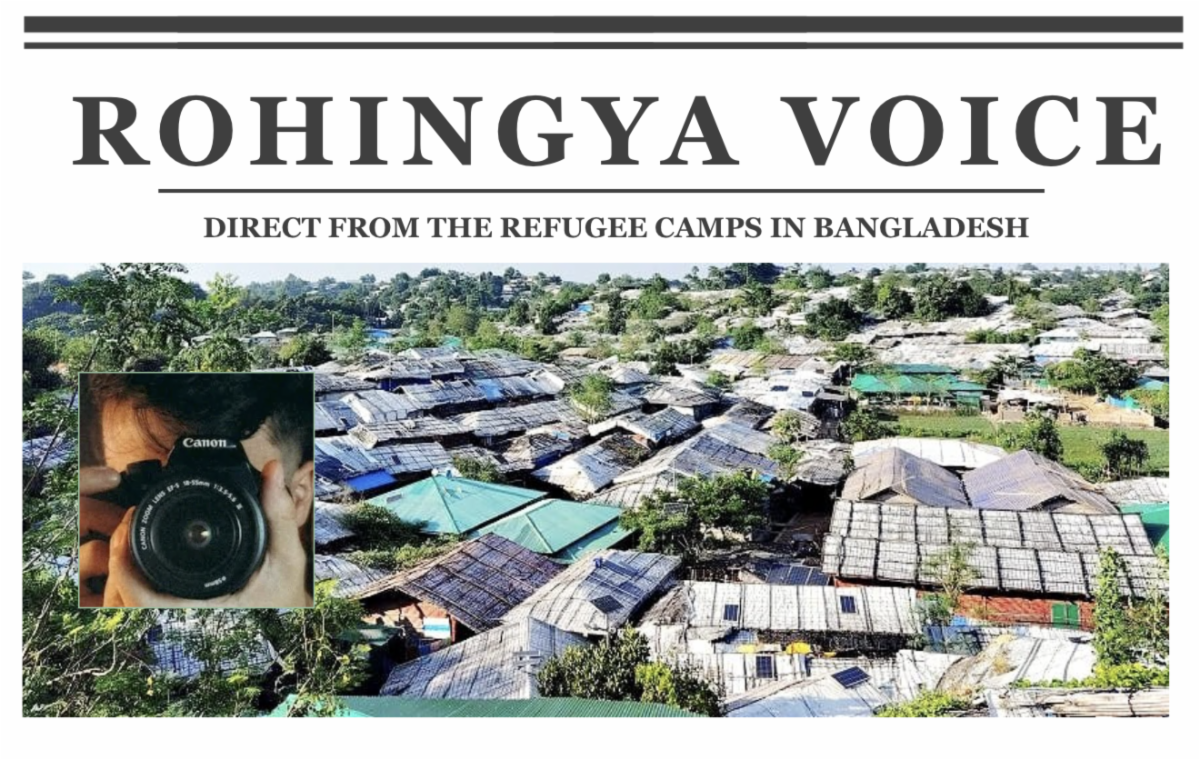
Welcome to Rohingya Voice, the authentic voice of Rohingya refugees in the camps in Bangladesh. This newsletter is produced by the Rohingya Education and Advocacy League (REAL), an association of refugees in the Jamtoli camp that works to better the lives of refugees and tell their story to the world. The newsletter carries a selection of REAL social media posts. Rohingya Voice is written and edited by Maung Myint Swe in Bangladesh and Emma Badach in the US. Scroll down to access REAL’s social media and photos.
Many dead as landslide buries a girls’ religious school

Up to 50 Hafez (Quran) students are feared dead after a landslide buried their madrasa on Wednesday in Camp 5. Parents have been desperately clawing at the rubble in the hope of finding survivors. The disaster was triggered by heavy flooding, although many are also blaming the weak retaining walls built by aid agencies. Click here to see the video.
Donate to our gardening appeal and help us grow food!

REAL has launched this appeal on GlobalGiving to raise funds for our gardening project, which grew 1.4 tons of vegetables in phase 1. We have trained another 40 refugee families and their vegetables are beginning to appear! This fundraiser will help us reach even more families. It will begin at 10.00 am EST (US time) on Wednesday July 15 and last 24 hours. Any amount will help and GlobalGiving will offer additional money to all donations over $100. Thank you!
From our editor
June 20 – World Refugee Day
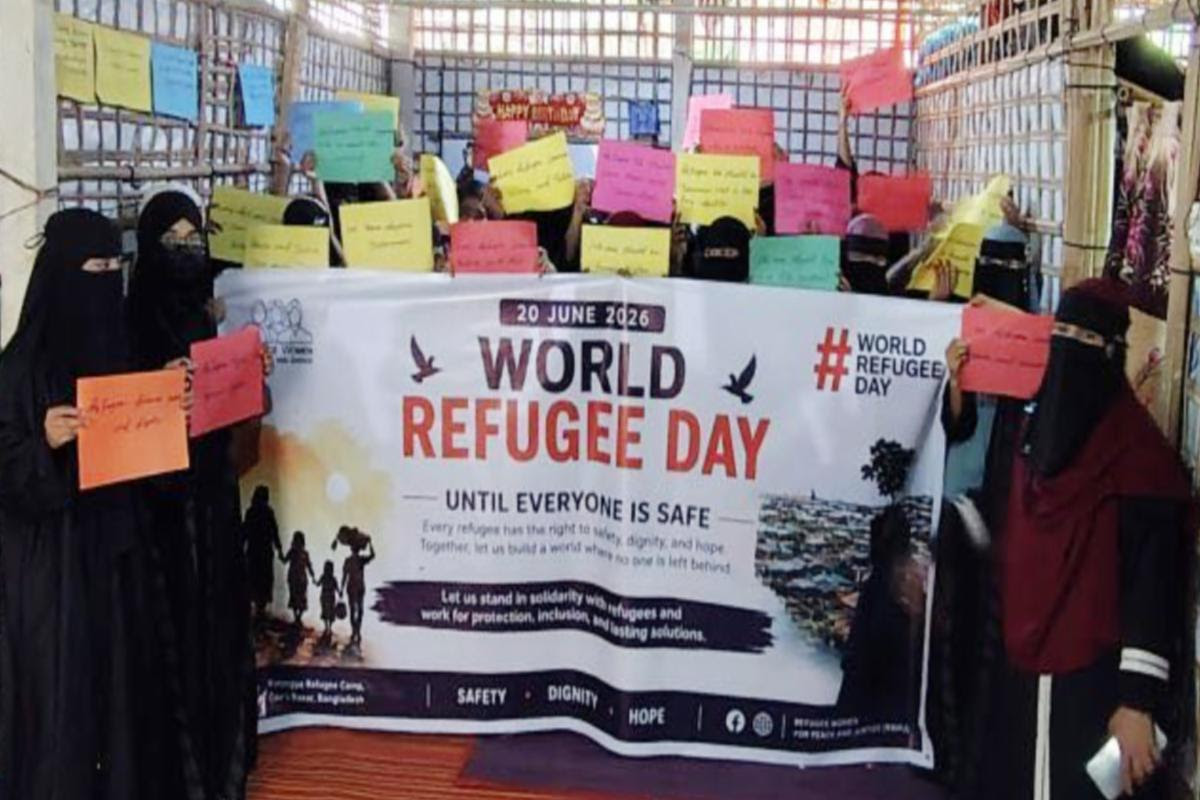
“Every year on June 20, the world observes World Refugee Day. As a Rohingya refugee, I have never truly experienced peace. Yet I continue to dream of a day when my people can live safely in our homeland with equal rights and citizenship. I dream of a future where Rohingya children can go to school without fear and where no one is forced to flee because of their identity. On this World Refugee Day, I ask the world not to forget refugees. Listen to our voices. Stand with us. Support our rights. Help us build a future where no one has to live as a refugee.” View Maung Myint Swe’s posts on social media.
Children are being kidnapped and murdered
Eight Rohingya children are thought to have been kidnapped in June alone, and the kidnappers are demanding outlandish ransoms. As a result, most cases end in death. Many Rohingya families are too scared to leave their homes. The organizations responsible for child protection MUST do better.



Even beer is a threat

Alcohol is entering the Rohingya camps through informal and illegal channels. Although there are no legal bars within the camps, empty bottles are increasingly being found in drains and public spaces. Beer is a threat to the youth and contributes to criminal activity.


Living through the monsoon

Monsoon season brings heavier rainfall each year, with climate change increasing the risk of severe flooding across the Rohingya refugee camps. Floodwaters damage already fragile shelters, contaminate living areas, spread disease, and can be deadly (top story). Each storm disrupts daily life, forcing families to set aside their daily struggles and focus on immediate survival.
Issue 1 (April)
Issue 2 (May)
Issue 3 (June)
Subscribe to this newsletter
Read REAL’s posts on Linkedin
View REAL’s photos