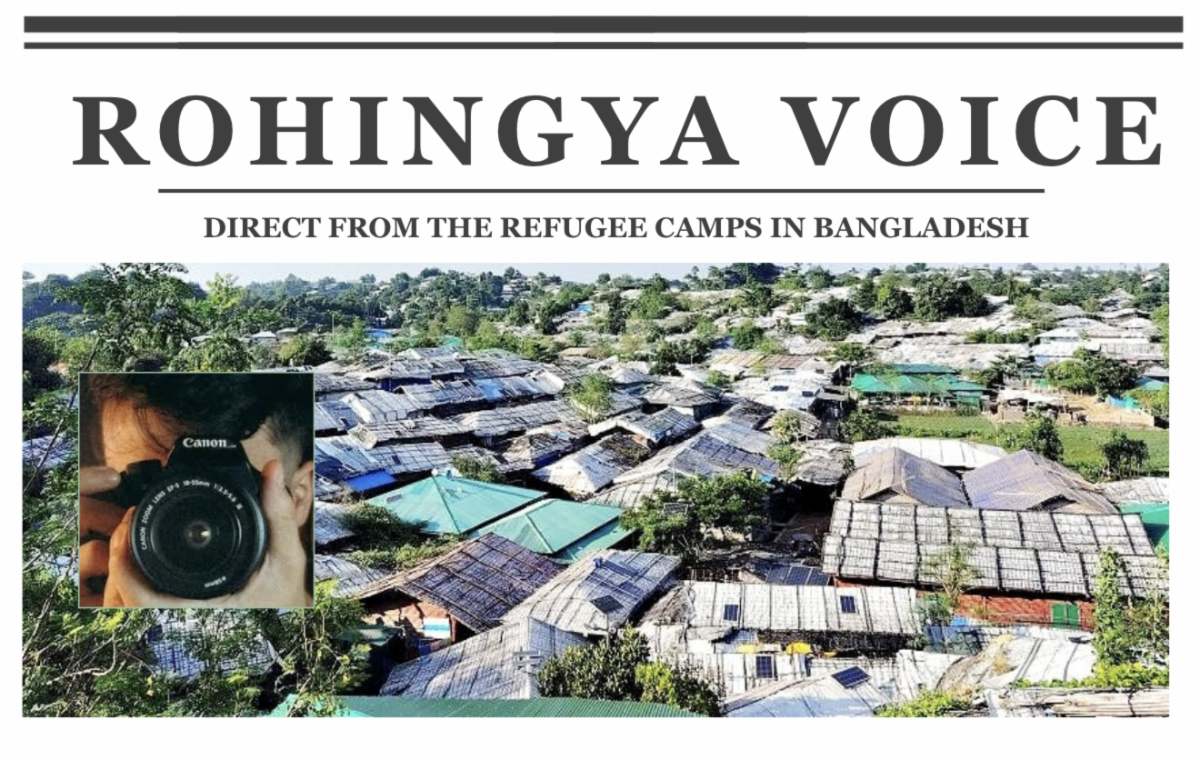
Rohingya Voice is produced by the Rohingya Education and Advocacy League (REAL), an association of refugees in the Jamtoli camp, Bangladesh, that works to better the lives of Rohingyas and tell their story to the world. In this special issue, REAL’s coordinator Maung Myint Swe reflects on the recent deportation of Myanmar nationals from Malaysia and the implications for Rohingya refugees throughout Asia.
A Rohingya Perspective on the Malaysian Deportations
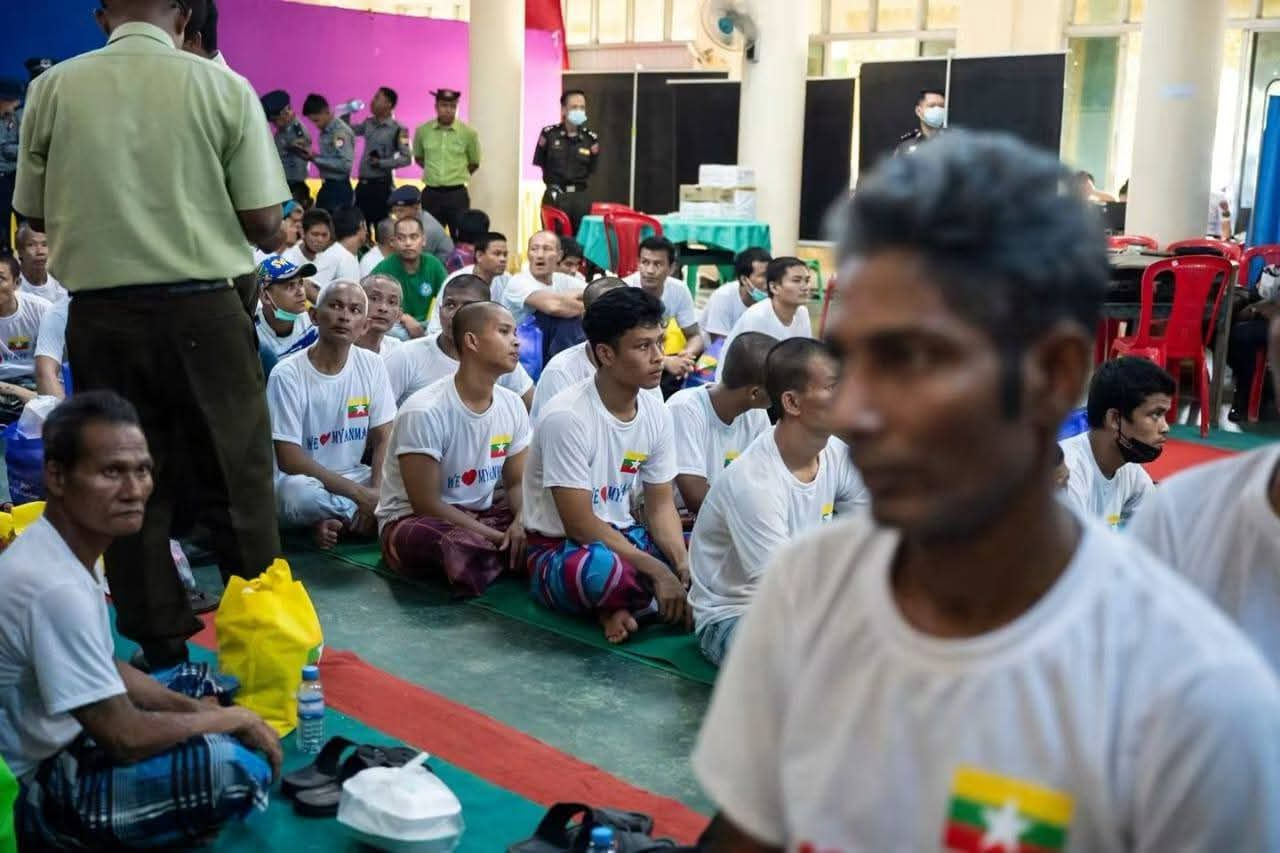
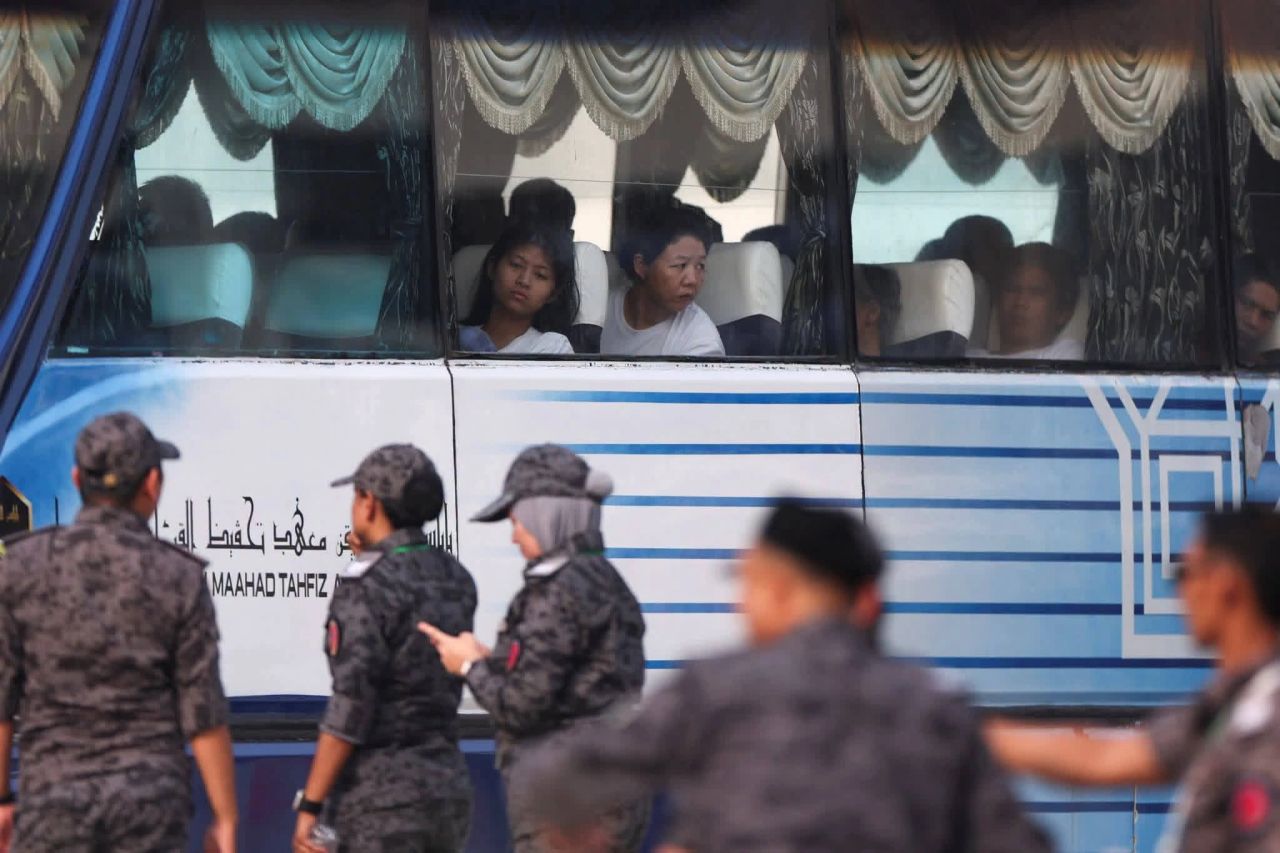
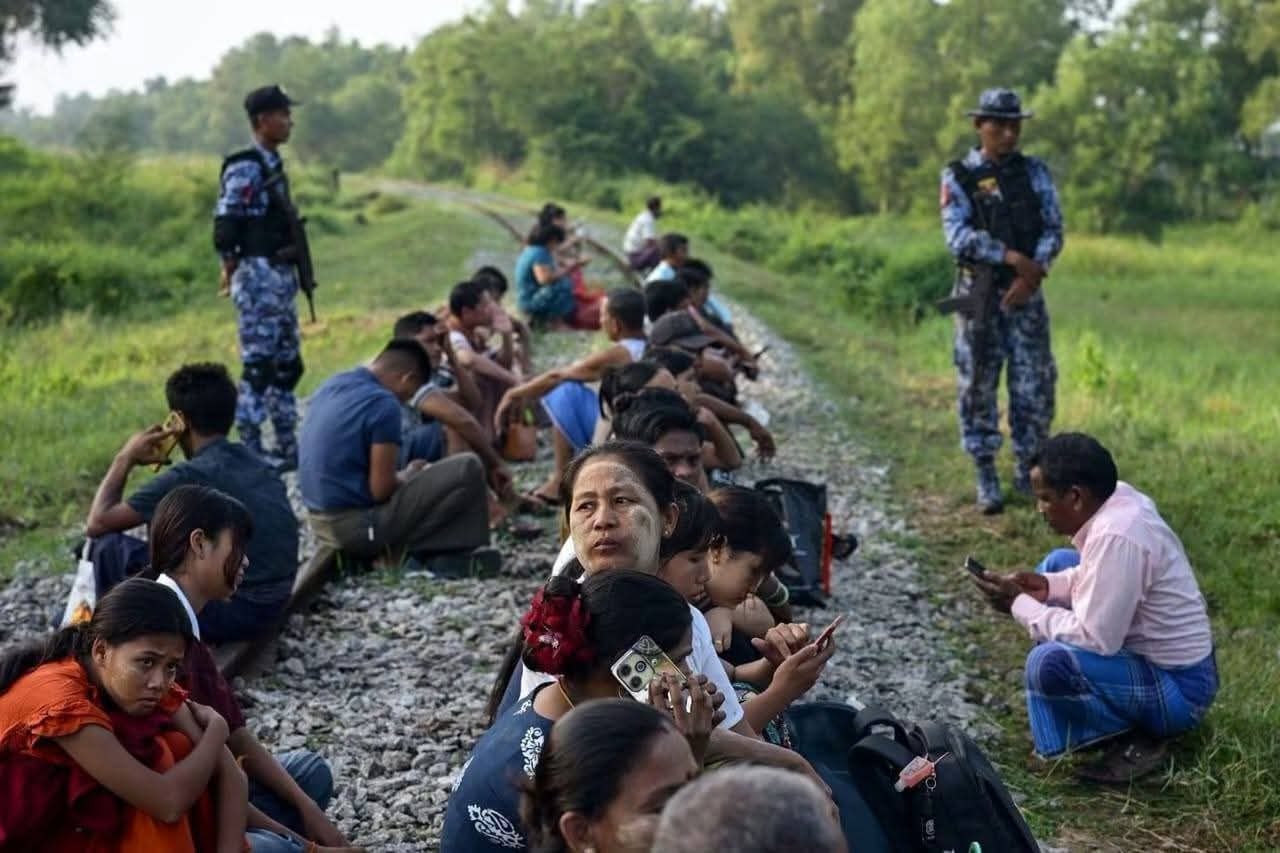
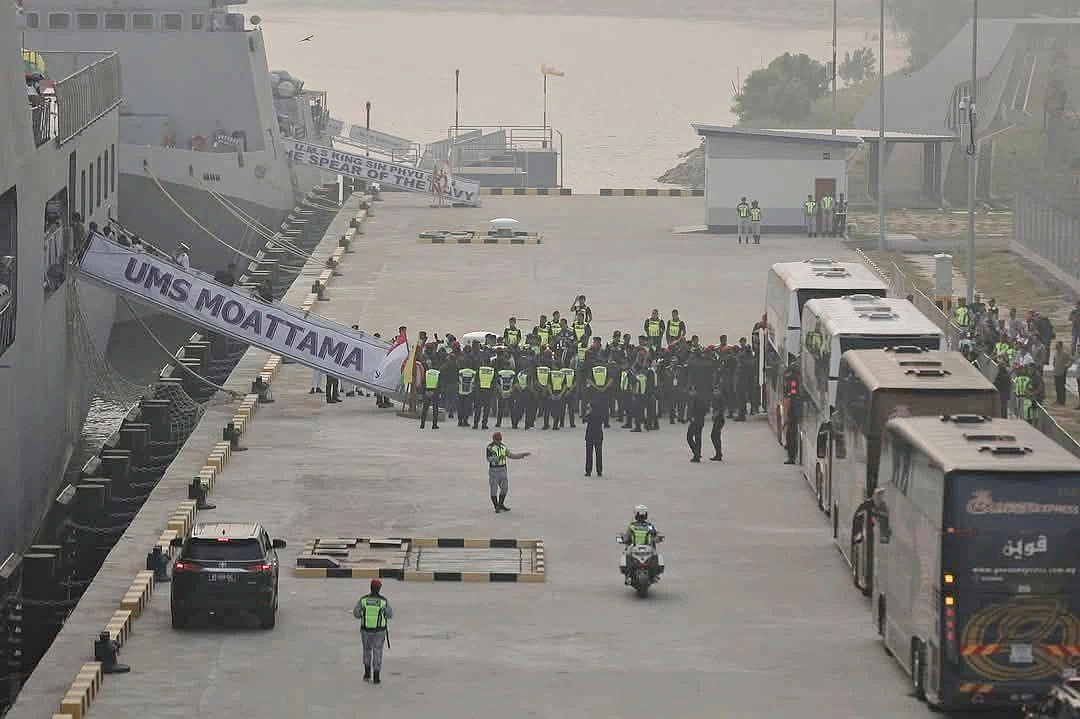
On 29 September, Malaysia returned 1,476 Myanmar nationals to Myanmar – men, women and children – in what the Malaysian government described as “voluntary repatriation.” The operation was part of a broader plan involving up to 5,000 people.
For Rohingya refugees, this development is particularly concerning. We know what it means to flee a place where our identity is rejected, our rights are denied and our safety is threatened. We also know that returning to one’s country is not necessarily the same as returning home safely.
Who was deported?
This basic question remains unclear.
A report by Yangon Khet Thit Media on 6 October 2026 stated that 153 Rohingya were among the 1,476 people returned from Malaysia and were being questioned by Myanmar authorities. The same day, however, Malaysia’s prime minister told parliament that official records showed no Rohingya among the group.
Publicly, the Malaysian government described the people in the recent operation as “Myanmar nationals”. This tells us their country of nationality or the nationality attributed to them by the authorities. But it does not tell us their ethnic identity.
This is not a minor administrative detail. It raises a fundamental protection and accountability question: when governments identify people primarily by nationality, how can the international community establish whether members of a persecuted ethnic community have been returned to a place where they may face serious danger?
The problem is especially significant for Rohingya because Myanmar has systematically denied our identity and citizenship rights for decades. The authorities have historically used other labels for Rohingya, often describing us as foreigners or people from Bangladesh rather than recognizing us as an indigenous community of Rakhine State.
However, the lack of formal recognition does not mean that Rohingya identity cannot be documented. Individuals, communities, humanitarian organizations and protection agencies may possess information about identity and background even where governments do not recognize that identity in their legal systems. Therefore, the question of identity must be treated as central to the return process.
Was the return truly voluntary?
Malaysia has described the recent operation as “voluntary repatriation.” But the circumstances raise serious concerns about whether the people involved had a genuine opportunity to choose. From a Rohingya perspective, it looked more like forced deportation than genuine voluntary repatriation.
UNHCR’s lack of access to assess the people before their return raises concerns about the safeguards available during the process.
The operation also raises concerns about the principle of non-refoulement, which protects people from being returned to places where they face persecution, torture or other serious threats. Protection against such returns is a fundamental principle of international refugee protection and is also reflected in other international legal obligations.
The reality of returning to Rakhine State
Perhaps the most difficult question raised by Malaysia’s operation concerns the changing situation in Rakhine State.
The Arakan Army (AA), through its political organization, the United League of Arakan, has taken control of most of Rakhine State. Myanmar’s military no longer exercises effective control over many areas from which Rohingya fled, including important parts of northern Rakhine.
Publicly available information has not established the AA’s role in this particular operation. That uncertainty matters. If returnees are expected to live in areas controlled by the AA, the authority exercising control over those areas will have a direct impact on their safety and daily lives. Any credible return arrangement must clarify who will receive them, who will protect them and whether they can live in their original communities without discrimination, arbitrary detention, forced labour or other abuses.
Myanmar’s military-backed authorities may discuss the return of Rohingya refugees from Bangladesh but if they do not control the areas where people are expected to return, how can they guarantee their safety, freedom of movement, access to land and protection of their rights?
Another important concern is whether returnees may face rejection or discrimination from their communities. Some may face suspicion because they left Myanmar, lived in Malaysia or returned under circumstances they did not control. We do not yet have enough verified information to say that the people returned in this operation are being ostracized. Their experiences must be documented rather than assumed.
Reports from Rakhine State describe the destruction of Rohingya villages, restrictions on movement, displacement and the use of land for other purposes. A recent investigation published by The Guardian on 1 October 2026, drawing on interviews, satellite imagery and internal UN research, reported that at least 800 hectares of land in 23 Rohingya villages had been seized and repurposed since the Arakan Army took control of the areas concerned.
If people are returned to Myanmar but cannot return to their original villages, where will they live? Will they be placed in temporary camps or restricted settlements? Will they be able to recover their land and homes? If their properties have been occupied or destroyed, will there be a process for restitution or compensation?
A return process that does not address these questions risks creating a situation in which people are physically returned to Myanmar but remain displaced from their own communities. For Rohingya this could become another form of displacement, with people living under restrictions and without the ability to rebuild their lives.
In order for a genuine return process to occur, independent monitors must have access to ensure that those returning are safe and able to exercise their rights. Independent monitoring is especially important in areas affected by armed conflict, political instability and serious human rights violations.
Without reliable access to returnees and their communities, international organizations may be unable to establish what is happening or respond to urgent protection concerns.
This gap was particularly highlighted in this repatriation. UNHCR did not have access to people before their return, and this raises concerns about the safeguards available during the process. The situation after return is equally important.
Without these safeguards, neither governments nor the international community can confidently claim that returnees are safe.
What is the future for Rohingya in Bangladesh?
For Rohingya refugees living in Bangladesh, the Malaysian operation raises another concern: could they also be at risk from forcible deportation in the future if the Rohingya crisis remains unresolved?
Bangladesh has hosted a very large Rohingya refugee population for decades. Since the mass displacement of 2017, the camps in Cox’s Bazar have become home to hundreds of thousands of families who fled violence and persecution in Myanmar.
The humanitarian situation remains difficult. Refugees face restrictions on livelihoods, education and freedom of movement. International funding shortages have placed additional pressure on families and humanitarian services. Many people are increasingly anxious about their future.
But at the same time, practical conditions for safe repatriation remain unclear. The conflict in Rakhine State, the change of authorities that control territory, the denial of citizenship and the absence of reliable protection guarantees – all this makes large-scale return difficult to envisage in the near future.
We are concerned that as displacement becomes prolonged, governments may increasingly focus on reducing the number of refugees rather than addressing the reasons they fled. The Malaysian operation raises fears that detention, pressure and deportation could become familiar approaches to managing refugee populations.
Bangladesh’s hosting responsibilities are substantial, and the country deserves continued international support. But the hardship of hosting refugees must not become a justification for returning people to danger.
What a genuine return must involve
Any future repatriation arrangement involving Rohingya must address the realities on the ground in Rakhine State. This includes the role of the Myanmar military authorities, the Arakan Army and participation of Rohingya themselves.
Rohingya refugees must have access to accurate information about the conditions in their places of origin. They must be able to express their concerns, make informed decisions and refuse return without pressure. Their representatives, women, young people, community leaders and civil society organizations should have meaningful opportunities to participate in discussions about their future.
The uncertainty surrounding the identities of those returned from Malaysia, the lack of independent protection assessments, the changing power structure in Rakhine State and the absence of clear monitoring arrangements all point to serious gaps that must be addressed. These gaps cannot be ignored simply because the crisis has continued for years.
We want to return to our homeland. But we want to return to a place where our identity is respected, our rights are protected, our homes are accessible and our children can grow up without fear of persecution or displacement. We want a future in which return is a genuine choice, not the result of detention, pressure or the exhaustion of host countries and international donors.
A genuine return is not measured by how many people cross a border. It is measured by whether they can live safely, freely and with dignity after they arrive.
“The Malaysian operation raises fears that detention, pressure and deportation could become familiar approaches to managing refugee populations.”