
ADVOCACYNET 433, August 11, 2025
Peace Fellows Thrive in Vietnam, Nepal, Uganda and Kenya
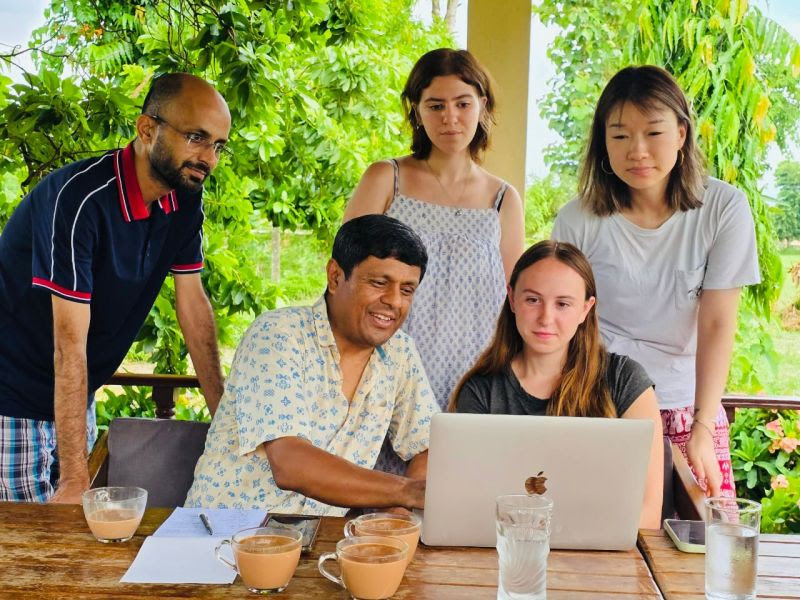
Teamwork in Nepal: Peace Fellows Laila Azmy, Shuyuan Zhang and Emma Cohen help Niraj Achariya and Ram Bhandari (bottom left) prepare the first issue of Survivors Record, a newsletter about transitional justice in Nepal. The team is also establishing a new center for visiting international students, supporting a new embroidery project by family members of the disappeared, and preparing recommendations on reparations for the UN
Aaron stitches for girl’s hygiene in Uganda
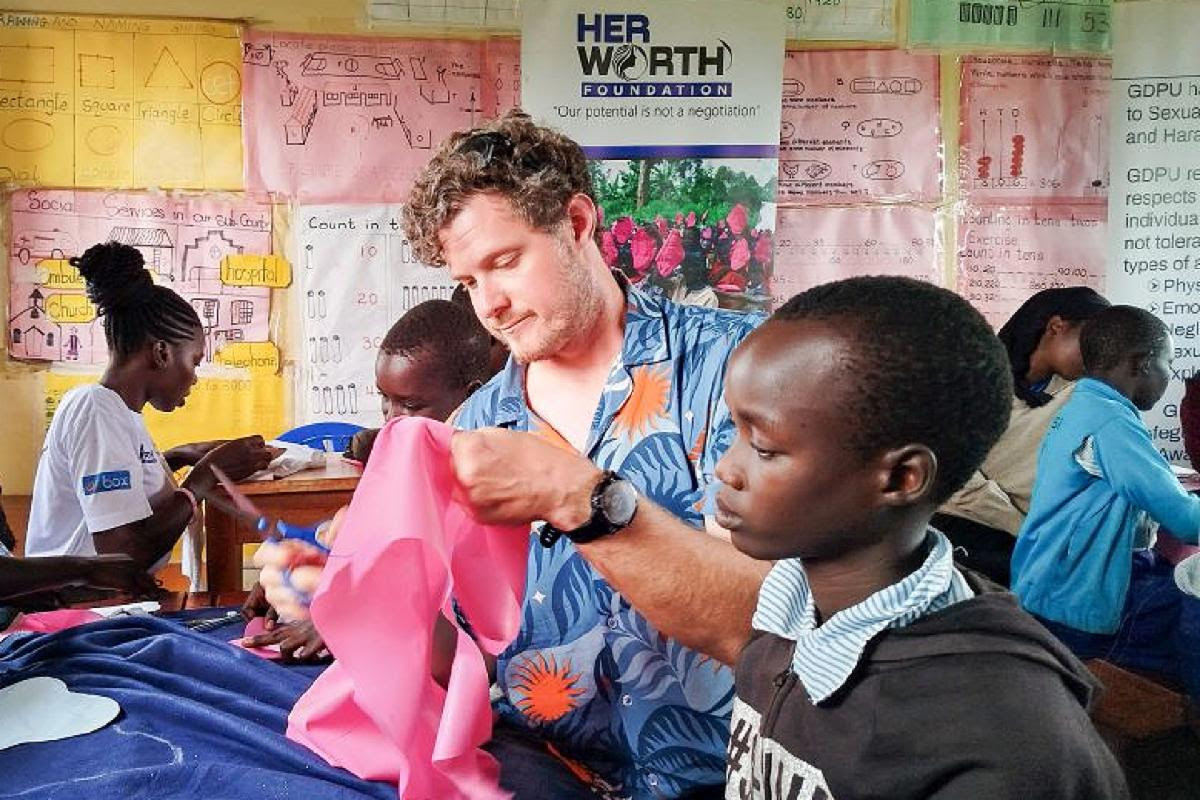
Aaron Bailey (Texas A&M University) attended training to make reusable sanitary pads during his fellowship at the Gulu Disabled Persons Union: “By providing practical skills and opening space to talk about menstruation without shame, Her Worth Foundation is helping girls stay in school and take ownership of their bodies and futures.”
READ MORE
Yummee! Julia meets the composting heroes of Kibera
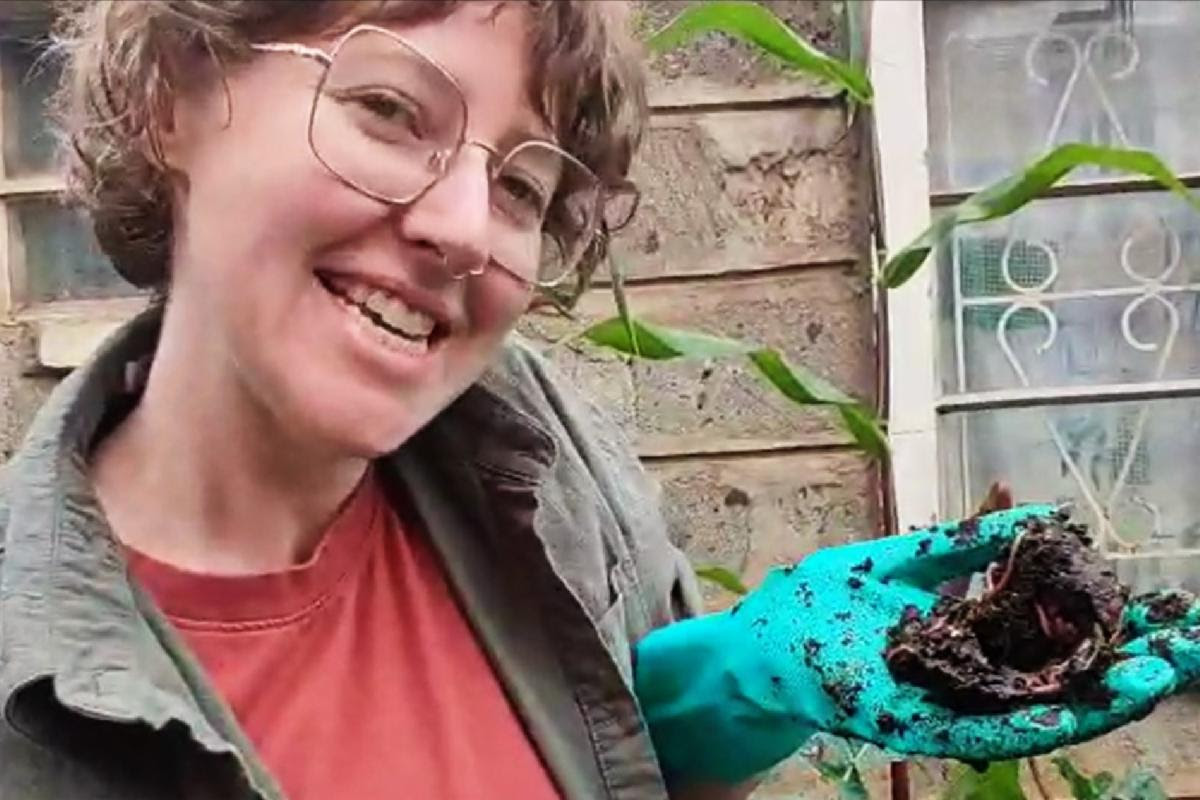
Red Wriggler worms turn organic waste into compost, as Julia Holladay (George Washington University, USAID) found during a visit to Irene’s shamba with Stella Makena from Shield of Faith in Nairobi. Stella is introducing composting into five Kibera schools this year. Julia writes: “The worms seemed to especially enjoy avocado in Irene’s bin!”
READ MORE
Laila finds a traumatized community in Nepal

During a team visit to the municipality of Thakurbaba in Bardiya, Laila Azmy (Wesleyan College) found that trauma persists 19 years after the conflict ended. Read her heart-felt profile of Laxmi and Sarita, who lost family members and counsel other survivors: “Sarita tilts her head towards me, purses her lips. This bird of a woman. She hasn’t mentioned her own pain once.”
READ MORE
Girl students help Joe to monitor WASH in Ugandan schools

Joe Okwir is using blogs and social media to help the Gulu Disabled Persons Union monitor the condition of toilets and handwashing in schools. Students are an essential source of information and the first to benefit from change: “We’ve seen firsthand the transformative power of genuine commitment in schools like Kulu Opal and Panykworo, where the culture of hygiene is actively woven into daily life.”
READ MORE
Angie raises funds for Agent Orange caregivers in Vietnam
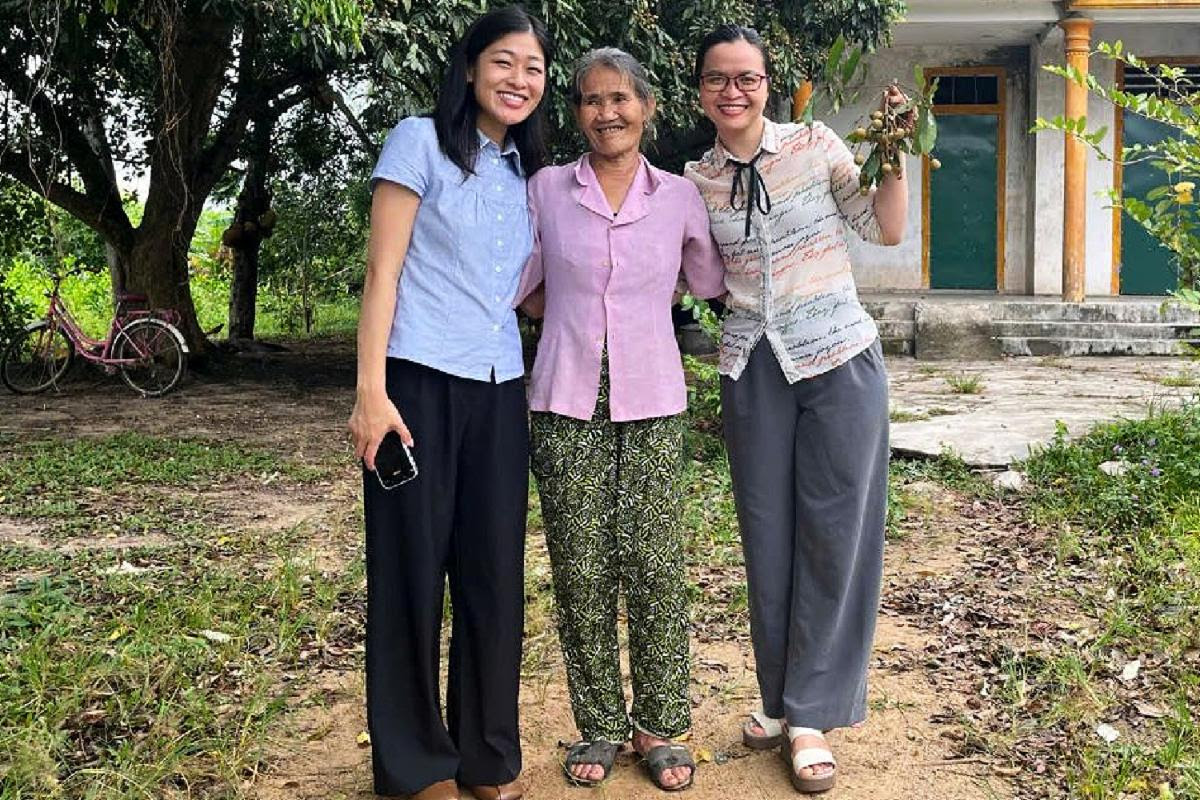
Angie Zheng (Georgetown University) met with 8 Vietnamese families poisoned by Agent Orange (photo) and helped AEPD raise almost $2,000 for the Tu and Cu families: “Từ Đình Cứ is partially blind, has limited mobility in his left arm, spinal problems, and a speech impairment. His son is severely underdeveloped, weighing only 28 kilograms at fourteen.”
READ MORE
Shuyuan draws strength from survivors in Nepal
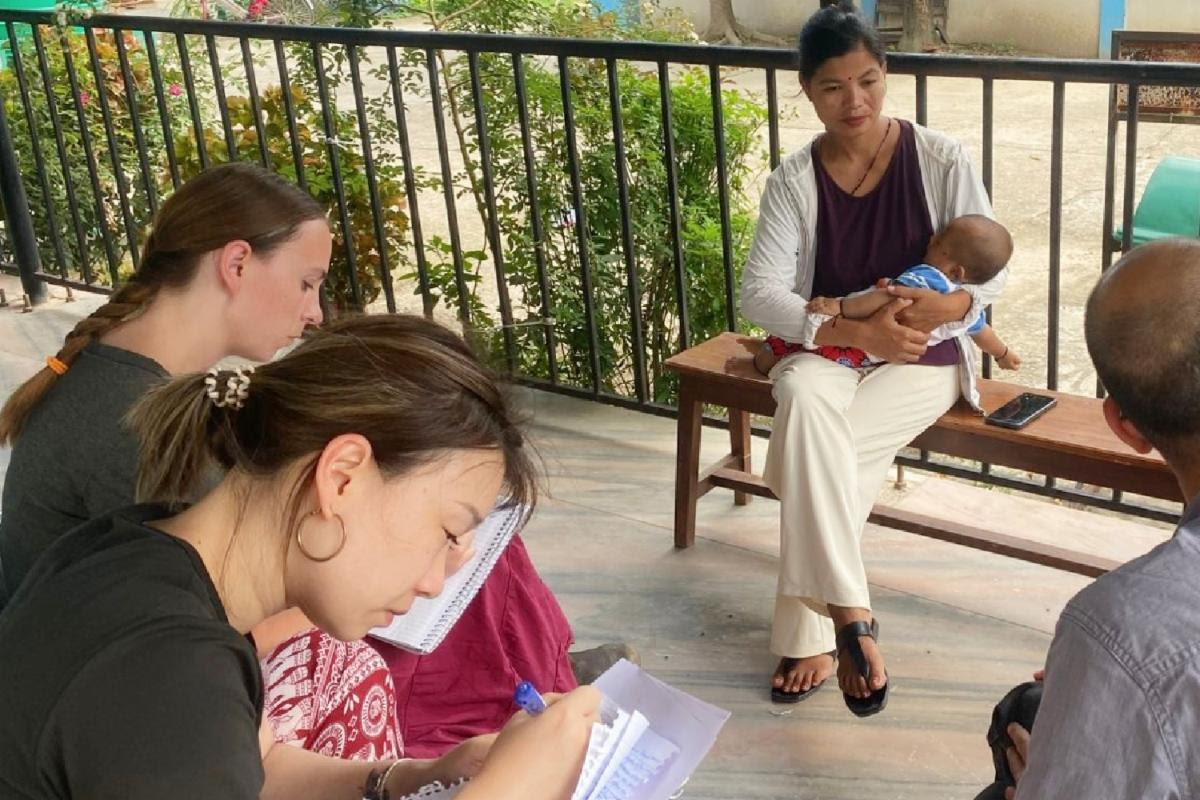
Shuyuan Zhang, a PhD student at Maastrict University, profiled survivors (photo) and made sense of transitional justice through 12 beautifully written blogs. In the process she found peace of mind: “Six weeks softened me. I rediscovered patience, empathy, and even a sense of humor about life’s unpredictability. That is Nepal’s gift to me.”
READ MORE
Aaron launches tailoring in Uganda and reflects on his own military service
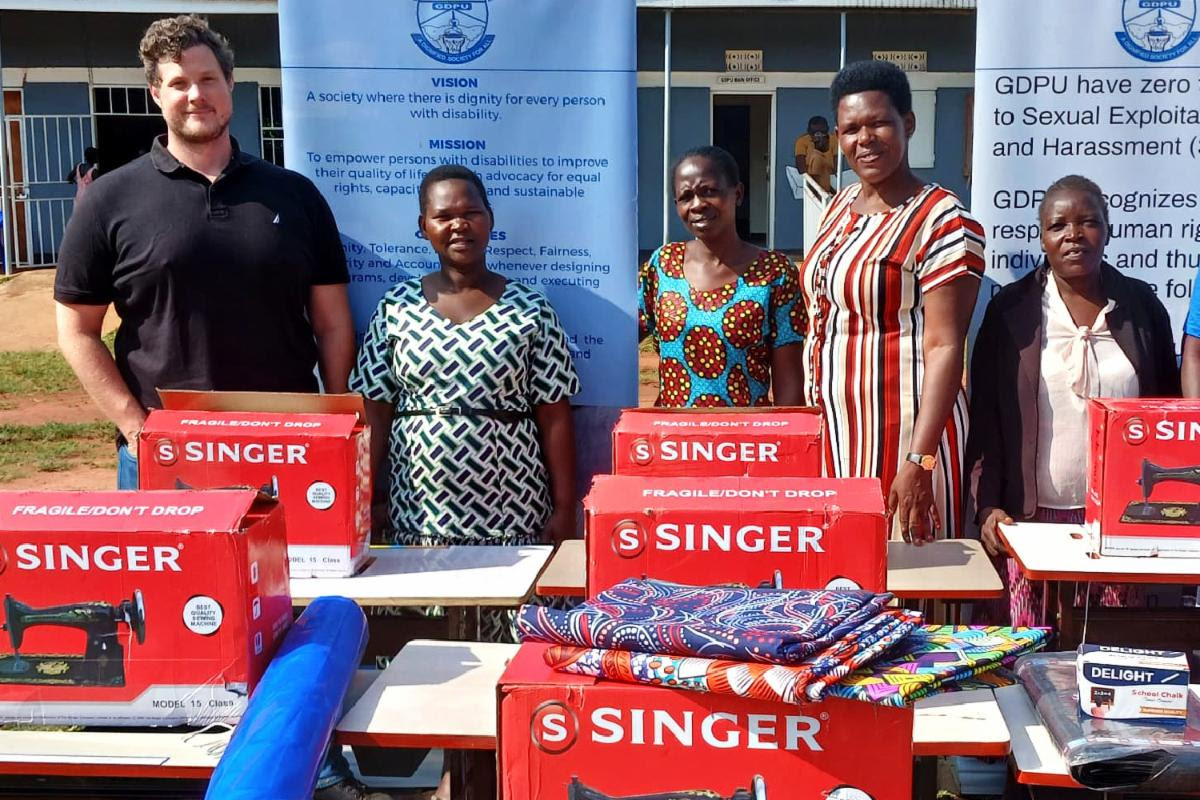
Aaron Bailey (Texas A&M), a US Army veteran, helped Women in Action for Women (WAW) purchase sewing machines and launch a tailoring business with funds raised through the Sister Artists auction. The nine WAW members all survived kidnapping and sexual slavery: “When they said ‘thank you’ I felt a sense of pride in my work that I hadn’t felt during my years of service.”
READ MORE
Emma journeys to the Pond of Hope and celebrates the power of memory in Nepal
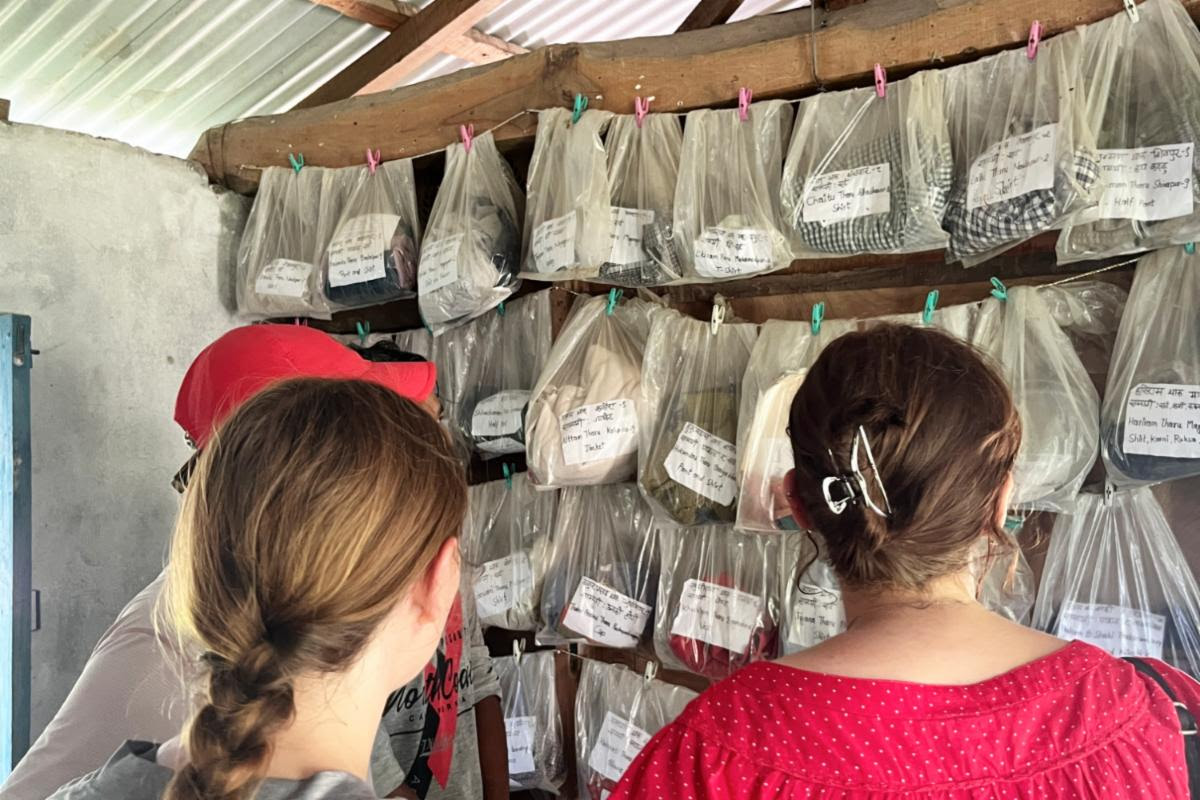
Emma Cohen (Wellesley College) painted a rich portrait of the Kumbhar Adda Memorial Park in Bardiya District. The journey began at a wall that carries the belongings of 68 Nepalis who disappeared (photo) and ended at the Pond of Hope: “As we looked out over the water, we were overwhelmed by the grief, love, long struggle for truth and justice, and eventual hope that it represents.”
READ MORE
*