

Our recent monitoring efforts across seven schools paint a vivid picture in Tackling the Intractable! Cultivating the Culture of Hygiene and Wellbeing in Rural Schools. We’ve observed a clear dichotomy: some institutions have enthusiastically embraced our WASH interventions, demonstrating remarkable progress, while others continue to navigate significant challenges in adapting to these crucial health and sanitation practices. This underscores the complex nature of fostering sustainable behavioral change within diverse educational environments.

Pupils of Kulu Opal Primary School Takes a Deliberate Step to Refill their Hand Washing Container with Clean Water.
We’re particularly heartened by the notable advancements in schools that have truly internalized the spirit of Cultivating the Culture of Hygiene and Wellbeing in Schools. Kulu Opal, for instance, has established a commendable hand washing routine, with learners taking deliberate and proactive ownership of water replenishment without being reminded. Awach Primary School has made a firm commitment to regular malaria prevention training, directly aligning with our overarching goals. Panykworo continues to uphold an excellent standard of environmental cleanliness, while Awach Central has diligently addressed prior challenges. Even with limited resources, Tochi is maximizing their efforts, eagerly anticipating further support to enhance their WASH commitment.
At Awach Primary School, Children have Adapted to a Culture of Hand Washing Norms as a Way to Keep their Hygiene
However, the journey is not without its obstacles. Certain schools unfortunately struggle to adopt these vital practices, often due to administrative reluctance. When school leadership is hesitant to embrace modern WASH principles, it significantly impedes efforts to positively influence the broader learning community. Abaka Primary School, for example, remains concerningly disengaged from basic WASH routines, posing potential health threats. Similarly, Ogul Primary School needs to translate theoretical cleaning plans into tangible action, moving their cleaning roster from the staffroom wall to practical implementation to genuinely improve their WASH circumstances.
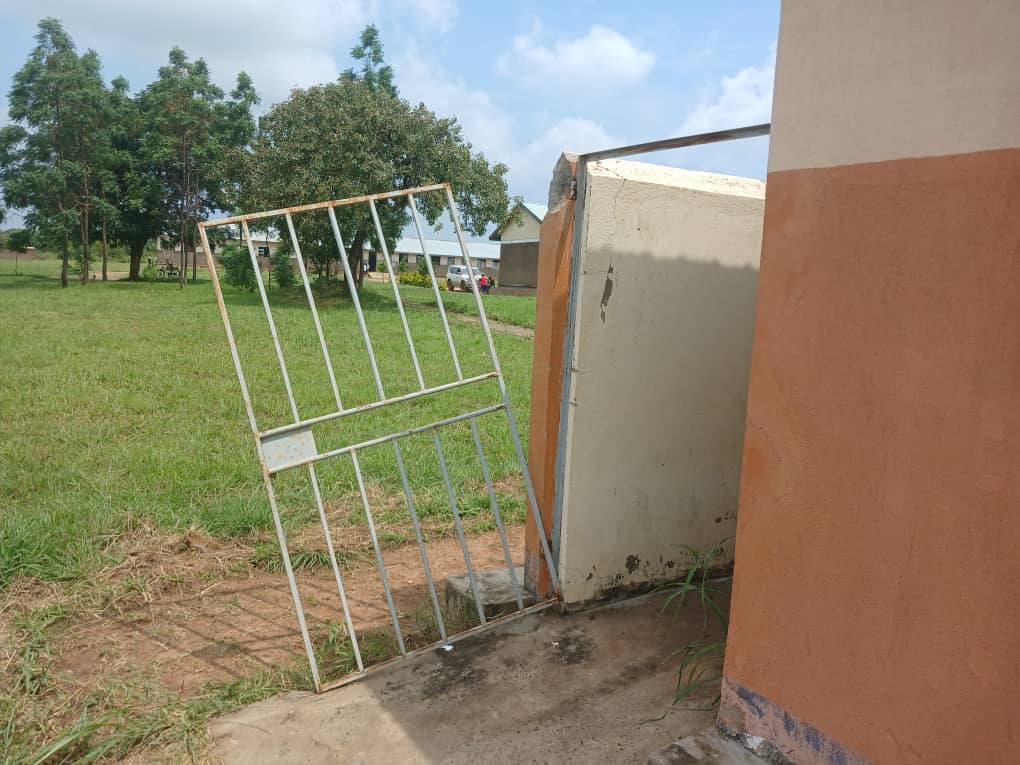
Ogul Primary School still continues to watch as their WASH facility falls Apart
Beyond these foundational efforts, we are expanding our initiatives to further Tackle the Intractable. We’re pleased to announce scheduled malaria prevention training sessions, including at Awach central Primary school on Thursday 17th and Panykworo Primary School on Wednesday 16th, which boasts an infirmary staffed by a highly dedicated medical professional. Furthermore, we’ve organized Menstrual Health and Reusable Sanitary Pads training in the coming week before the month ends, to be led by HerWorth Foundation, a women-led community-based organization devoted to empowering young women and combating menstrual poverty. We’re proud to profile this partner organization in our forthcoming blog. These integrated approaches are vital as we continue to empower all schools to fully embrace and embody the principles of hygiene and wellbeing, all this while continuing the distribution of liquid soap and checked on the incinerator construction progress in Awach Primary school.
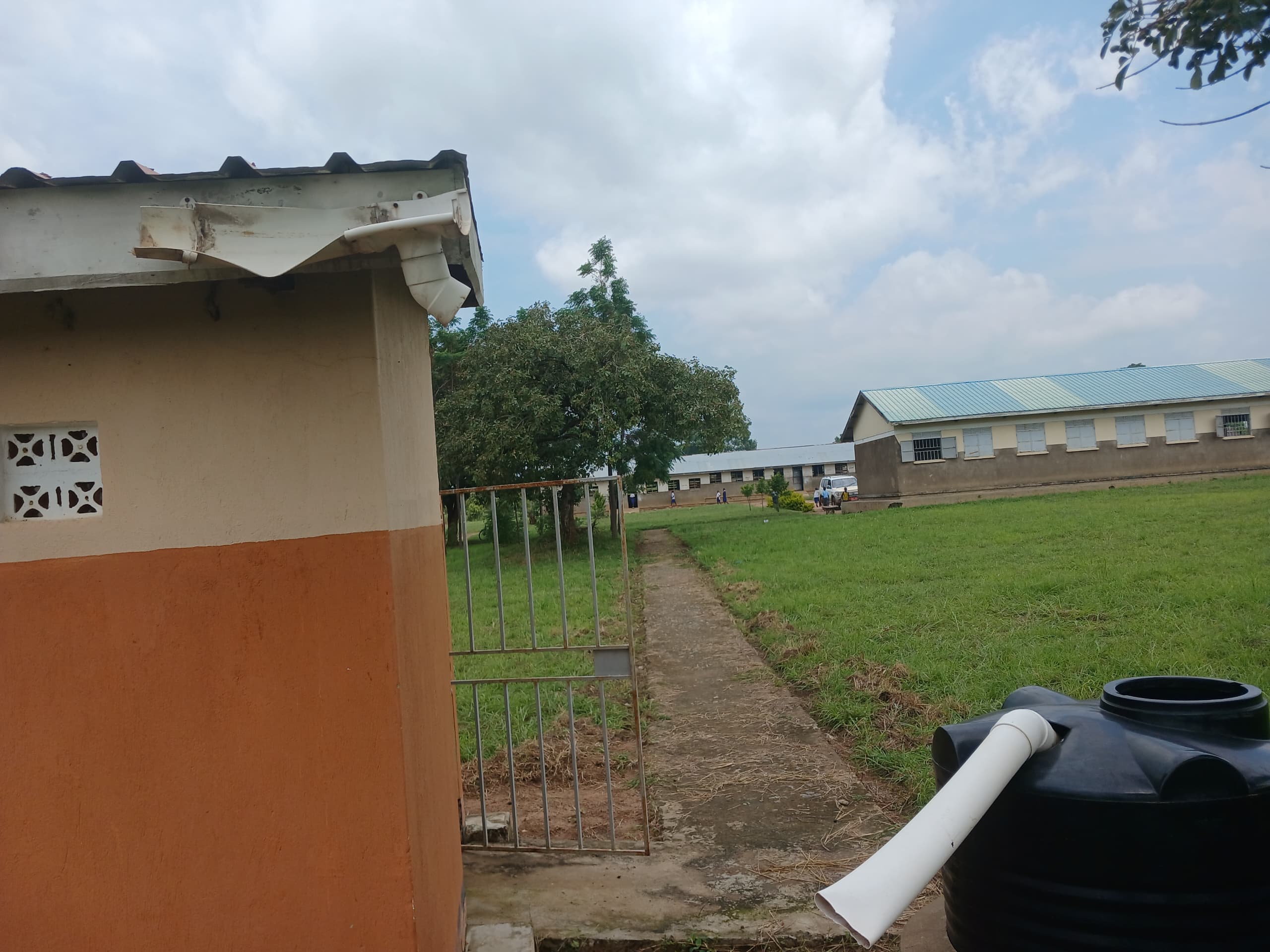
The Gutter system at Abaka Primary School Remains Broken and Un-attended to after months of recommendations to the school Administration.
The insights gleaned from this monitoring are invaluable. We’ve seen firsthand the transformative power of genuine commitment in schools like Kulu Opal and Panykworo, where the culture of hygiene is actively woven into daily life. Yet, the persistent struggles in places like Abaka and Ogul remind us that the “intractable” aspects of behavioral change often stem from leadership inertia and a disconnect between policy and practice. Our path forward requires not just continued support and resources, but a more targeted approach to fostering administrative buy-in and empowering school communities to bridge these gaps. By acknowledging both the significant strides and the remaining hurdles, we can refine our strategies to ensure that every rural school truly becomes a beacon of health and wellbeing, creating a healthier and more conducive learning environment for every child.
Posted By OKWIR JOSEPH JOHNS
Posted Jul 15th, 2025
2 Comments
Iain Guest
July 23, 2025
This is a truly wonderful blog, Joe. It’s extremely well written, clear, full of useful information about your monitoring and other important activities – the malaria training, work with HerWorth etc. Also, the photos are wonderful and very well presented! This is just a really good blog. My biggest question is the one you pose – how to motivate the school leaders (principals) in schools like Ogul and Abaka that are just not interested. You’re very gentle in your criticism, but the message is clear. Is there any sort of pressure GDPU can put on them, or would that not be appropriate? I think this is the sort of issue that should brought up at the DEO’s coordination meeting. Also you need to know how OTHER NGOs are dealing with it. But overall, really good work. The WASH program has made huge strides this summer and we can all see this through your blogs! Keep it up!
OKWIR JOSEPH JOHNS
July 29, 2025
It’s fantastic to hear the blog is clear and the WASH program’s progress is visible! A key challenge we face is the lack of engagement from some school leaders, like those at Ogul and Abaka. We’re tackling this by leveraging partnership agreements and advocacy, focusing on the benefits of WASH. We’ll also raise this issue at the District Education Officer’s coordination meeting for broader discussion and policy reinforcement. Additionally, I am researching how other NGOs handle similar disengagement and, importantly, will ensure individual school accountability by closely monitoring their responses to our recommendations for improvement. Your continued support is invaluable as we navigate these complexities.