
ADVOCACYNET 434, December 8, 2025
Kitchen Gardening Takes Root in the Rohingya Refugee Camps of Bangladesh
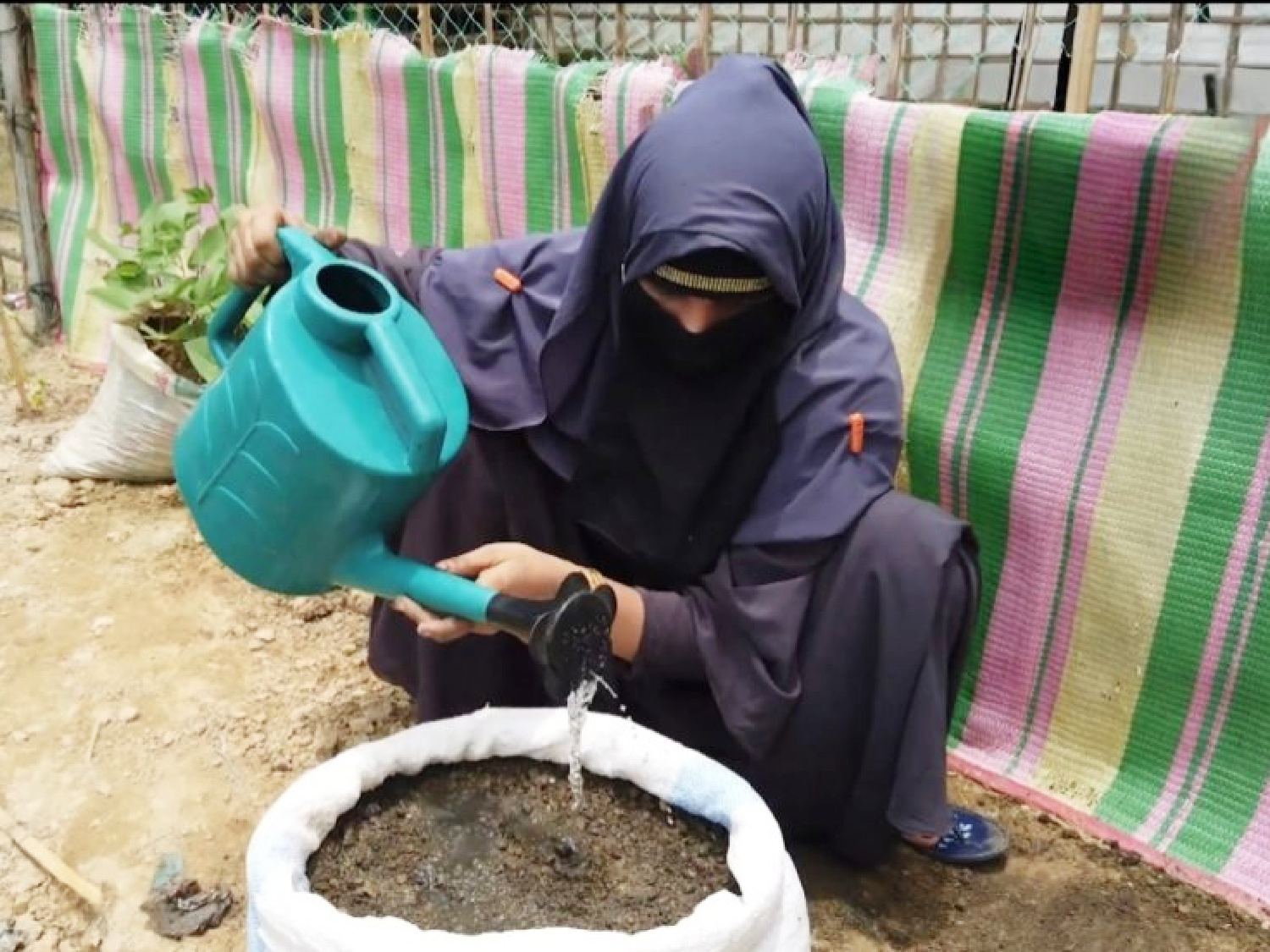
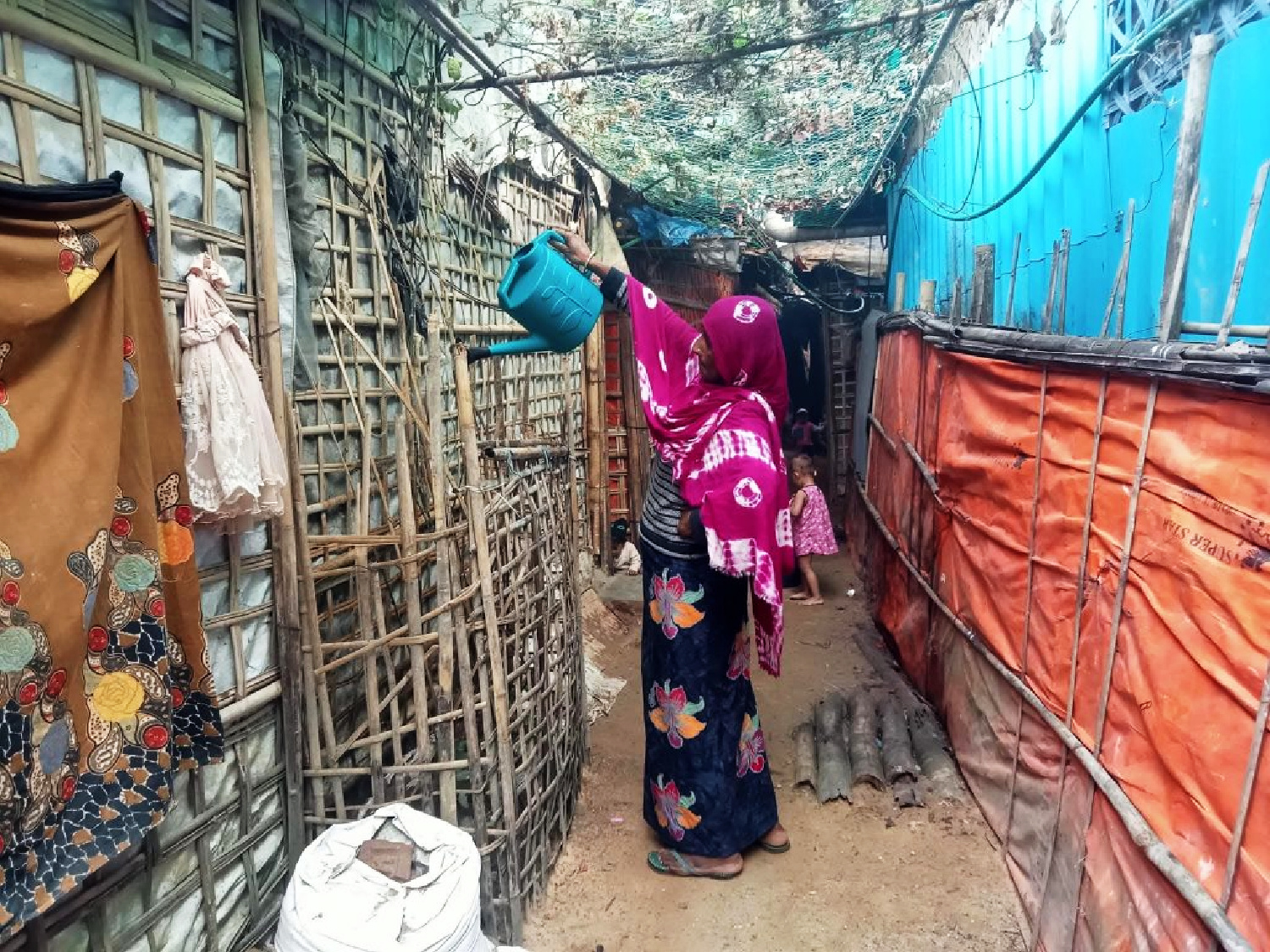
Growing hope: Forty Rohingya families have started gardening in the Jamtoli refugee camp
Rohingya refugees have launched an innovative start-up to grow vegetables and reduce their dependency on food aid in the densely-crowded camps of Bangladesh.
The start-up is an initiative of the Rohingya Education And Advocacy League (REAL), an association of friends who fled from Rakhine State in Burma (also known as Myanmar) in 2017. The Advocacy Project (AP) has provided $1,000 of seed money.
The project comes at a time of growing hostility towards refugees around the world, coupled with cuts in humanitarian aid that have increased the risk of hunger and malnutrition in the Rohingya camps.
Maung Myint Swe, the project leader, wrote in a recent blog that REAL’s goal is to encourage self-sufficiency among the refugees, particularly women:
“In a place where they rarely have access to safe spaces or learning opportunities, this project gives (women) a new role as food producers, decision-makers, and caretakers of their own small gardens.”
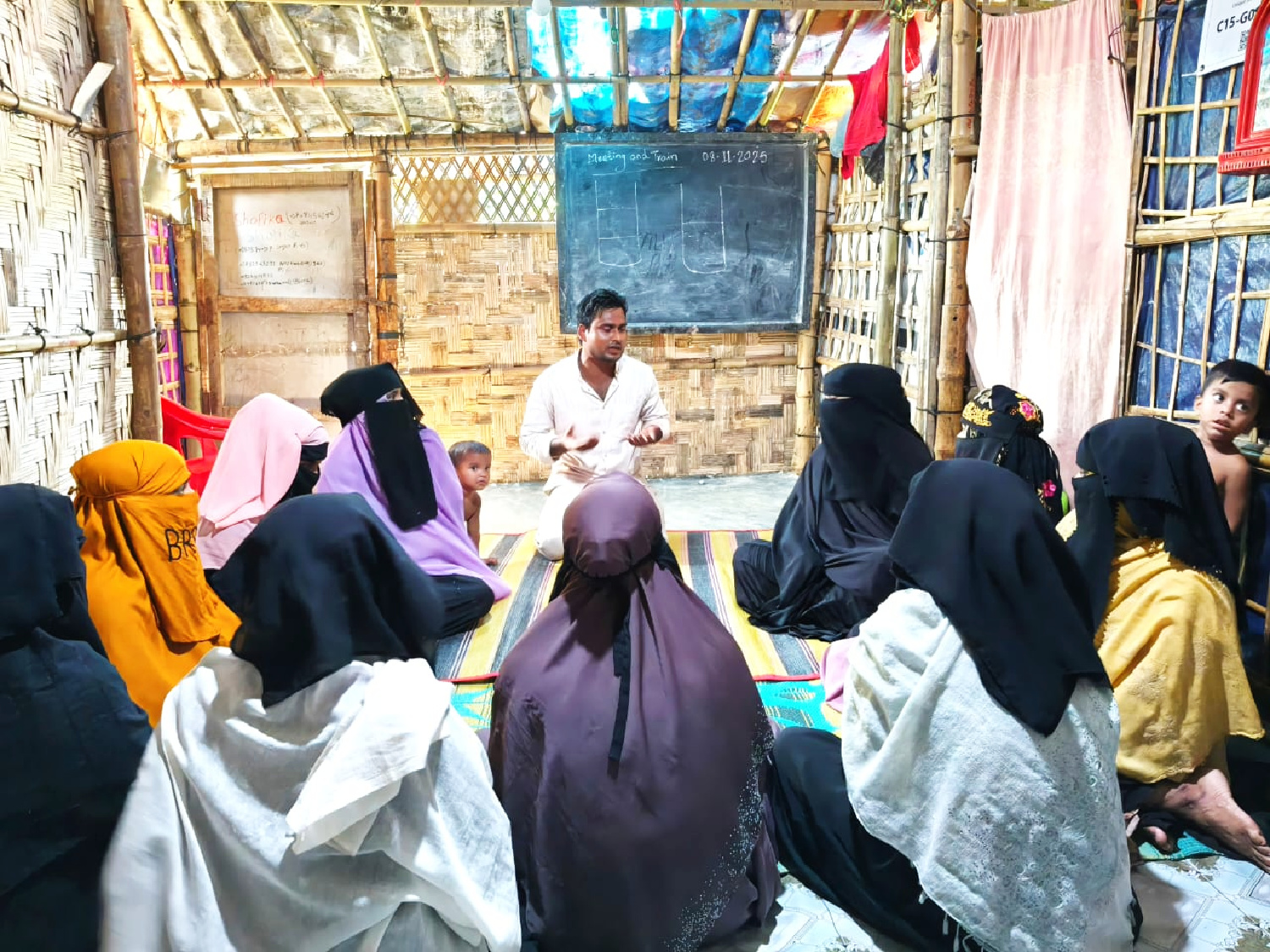
The start-up began in early November with a training for 40 families in Jamtoli, one of 33 camps in Cox’s Bazar, Bangladesh, that are home to over a million refugees.
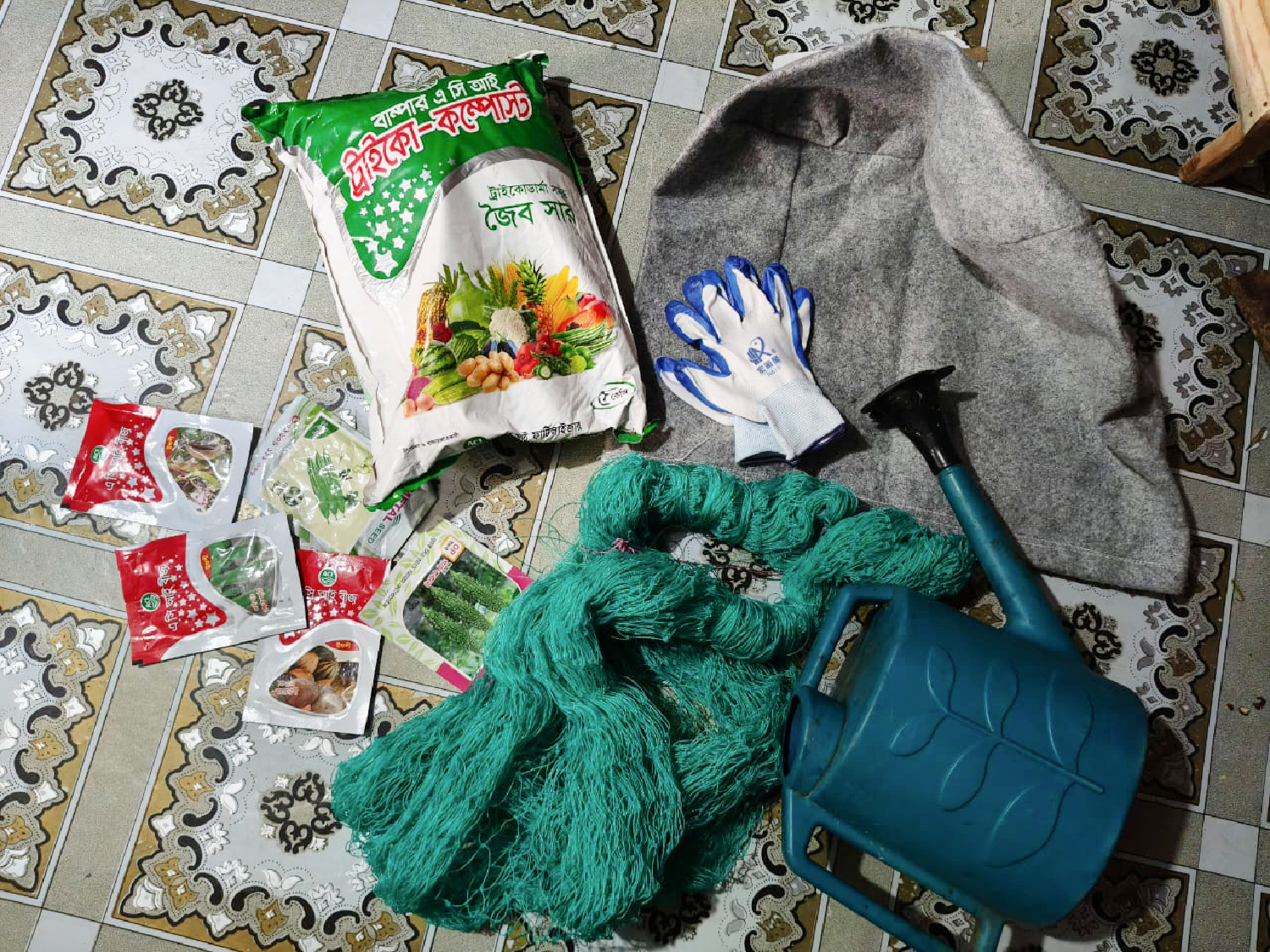
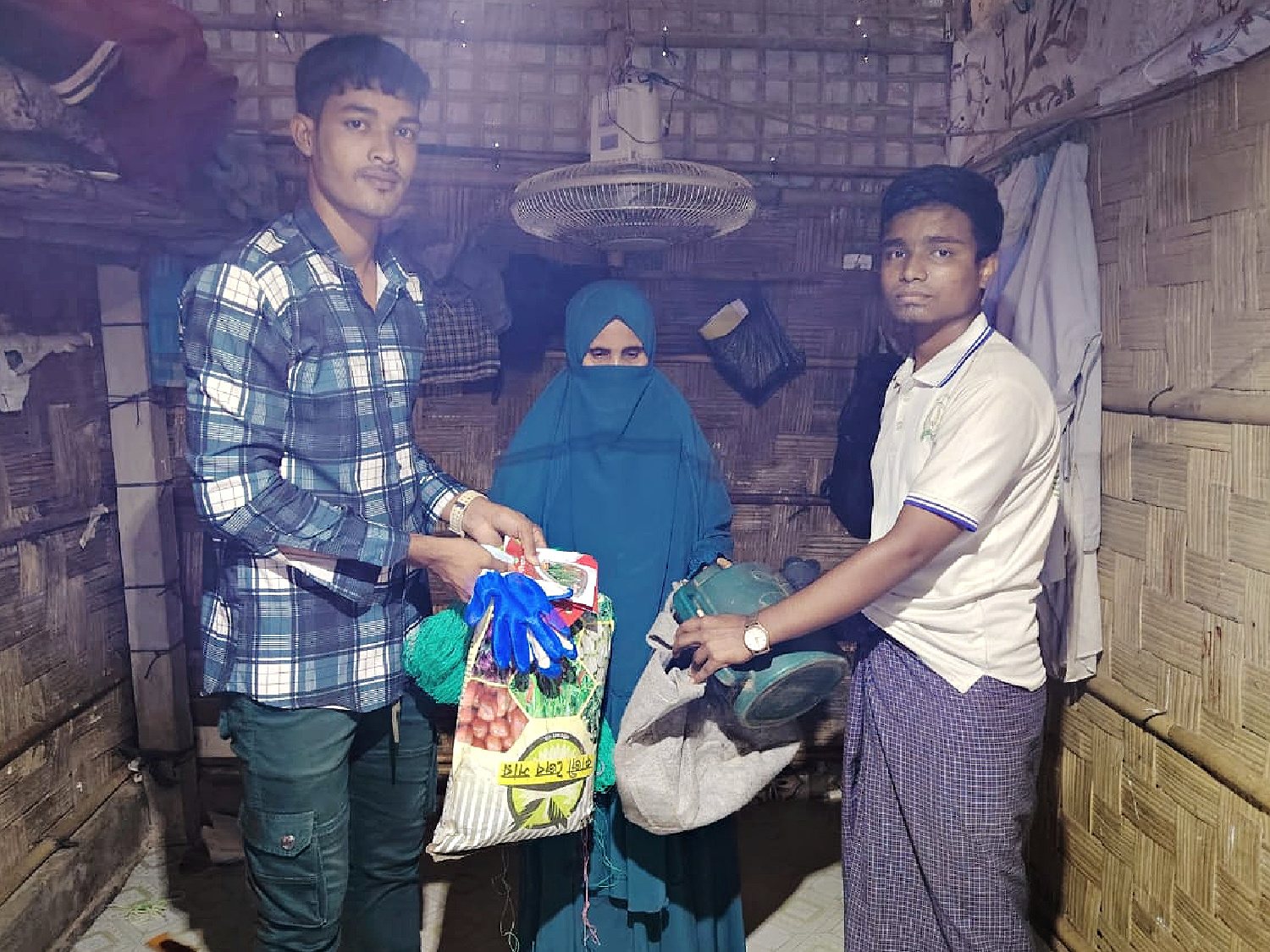
The REAL team then distributed seeds, watering cans, buckets, hoes, bamboo and fertilizer. Planting began soon afterwards and the first gourds are already sprouting, much to the team’s delight.
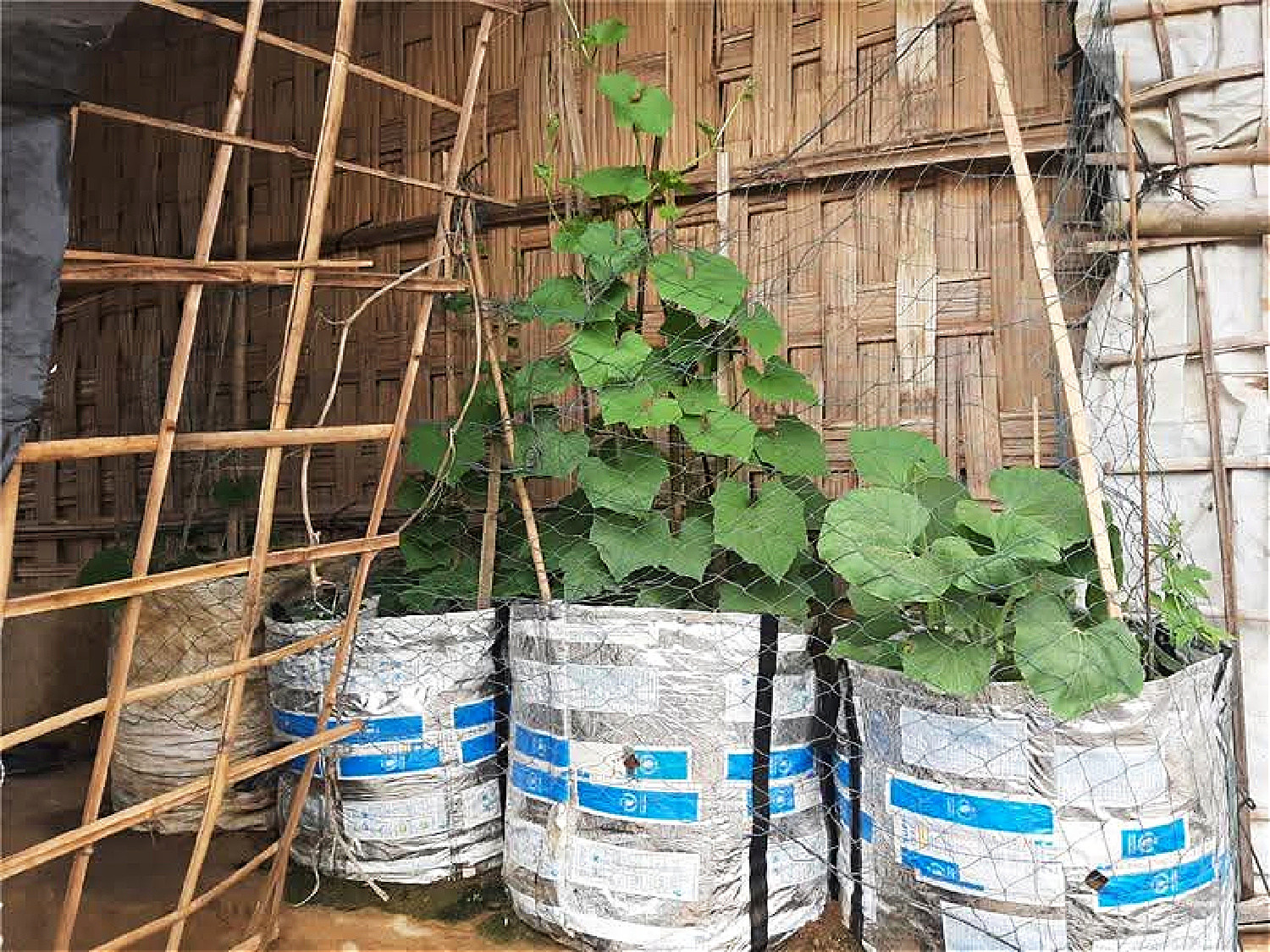
Several REAL volunteers were farmers before they left Myanmar and they have helped the refugee families find growing space between the crowded huts by using discarded food aid sacks, as shown in the photo below.
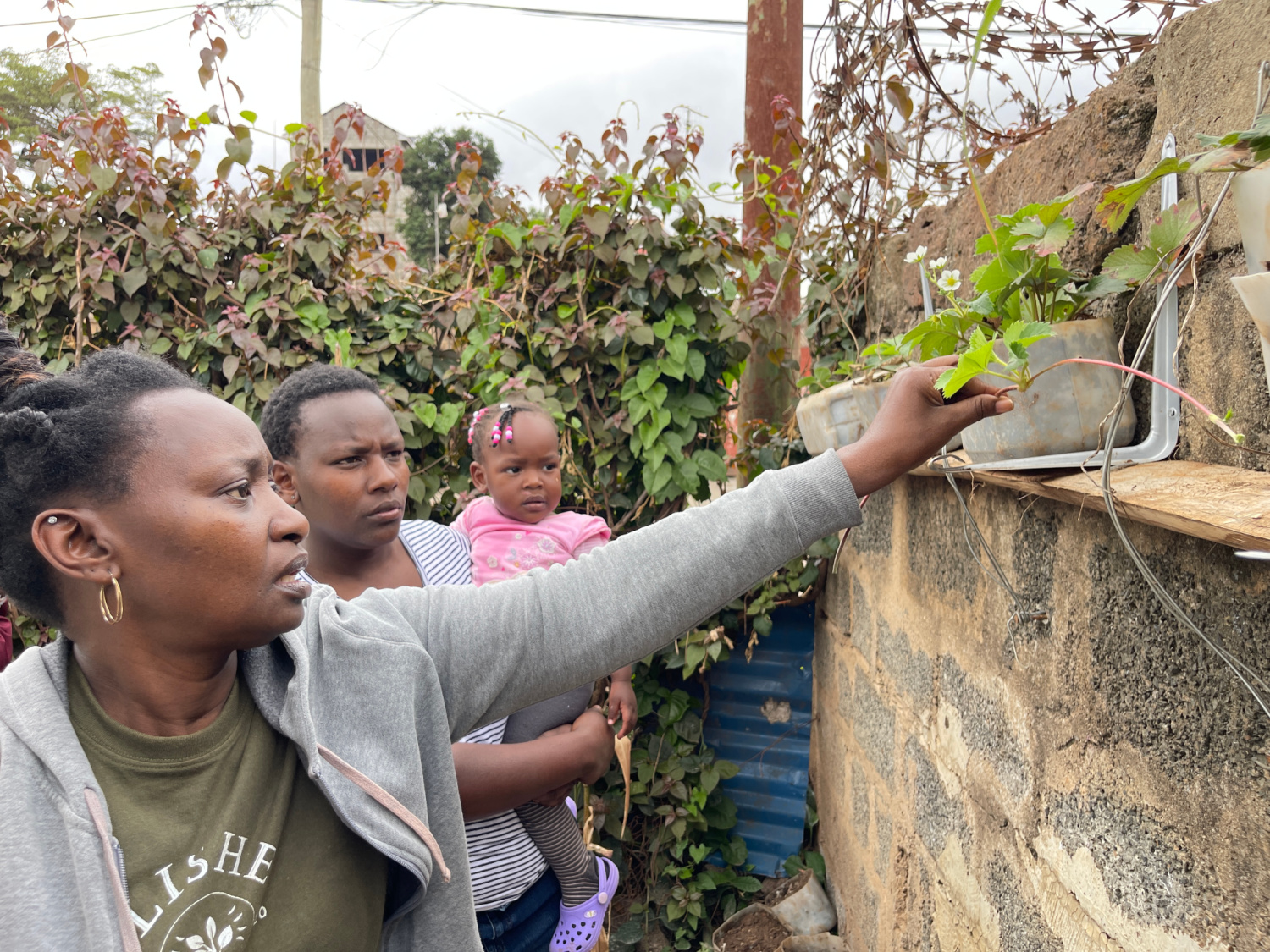
REAL is also receiving support from Shield of Faith, the association of Kenyan mothers who have become experts at gardening in confined spaces after growing vegetables in the Kibera settlement of Nairobi.
Stella Makena, the founder of Shield of Faith and an AP Board member, has shared a list of recycled materials that her team used in building their gardens, and is standing by to offer advice as the Rohingya experiment progresses.
Her advice will be taken to heart, said Mr Myint Swe: “Many of these materials like old containers, bamboo, bottles, and sacks are available around us. With proper guidance we can adapt their techniques to our limited space.”
The world’s most challenging refugee crisis
The Rohingyas of Myanmar are a Muslim minority in a largely Buddhist country. For Mr Myint Swe the refugee crisis dates back to 1982 when they were stripped of Burmese citizenship.
In the years that followed, Rohingyas were subjected to systematic discrimination in Rakhine State. This culminated in a surge of violence in 2017 that sent over 750,000 fleeing across the border into Bangladesh.
The Rohingyas in Myanmar again came under pressure in 2021 after a military coup ended democracy and sparked regional conflicts across the country. The Rohingyas found themselves under attack from Rakhine rebels and government forces. This, coupled with serious food shortages, forced another large exodus to Bangladesh last year.
The succession of disasters has created one of the world’s most challenging refugee crises. According to the UN Refugee Agency, almost four million Burmese have been displaced within Myanmar, while another 1.6 million have fled to neighboring countries, mostly to Bangladesh.
Adding to the pressure, the Bangladesh government has forbidden Rohingyas to work, farm or attend school outside the camps in spite of repeated appeals from the UN and World Bank to integrate the refugees.
Security is another major worry, said Mr Myint Swe. Jamtoli is routinely infiltrated by fighters seeking to recruit young Rohingyas, and by human traffickers. According to REAL, 51 children were abducted in Jamtoli in the first three months of 2025.
In one heartfelt blog, Mr Myint Swe described the case of Furkahan Hoque, 13, a young refugee who went missing in October. Furkahan’s parents received a call from a trafficker who said that their son was already on the way to Malaysia and demanded 350,000 taka ($2,837) for his “safe arrival.”
The boat sank on November 9 with 90 refugees, including Furkahan, on board.
Impact of the aid cuts
According to Mr Myint Swe, repeated aid cuts this year have deepened the crisis and raised tensions in the refugee camps.
The UN launched a joint appeal in 2019 on behalf of the Rohingya and their Bangladeshi hosts and is seeking $934 million this year. By the beginning of 2025 only a third of the money had been pledged and over half of this had come from the United States.
The disbanding of USAID and the suspension of American aid in early March caused panic among the refugees and deepened concerns among aid agencies about malnutrition.
The World Food Programme (WFP) reduced food rations in the camps from $12 a month per refugee to $6, forcing the refugees to cut back to one meal a day. Mr Myint Swe quoted one mother as saying “I drink water and go to sleep when I am hungry.”
The US donated $70 million to WFP later in March, and pledged another $60 million at an emergency meeting of donors in Geneva on September 30. The UK promised $36 million.
This has restored the level of food aid to $12 a month per refugee, but Mr Myint Swe said that refugees are still “terrified” that US support could end at any moment. Other essential services, including health care, remain underfunded.
The US has also given mixed signals in response to a decision by the regime in Myanmar to hold elections on December 28.
Speaking at the September 30 conference in Geneva, US delegate Charles Harder said that the repressive policies of the Myanmar government would make it impossible to hold free and fair elections. Given this, he said, “we reject these elections under current conditions.”
This was disputed by Kristi Noem, the US Secretary of Homeland Security, on November 24 when she announced that the US would remove temporary protection from approximately 4,000 Myanmar nationals who have sought refuge in the US because it was now safe for them to return home.
Ms Noem said in a statement that Burma/Myanmar had made “notable progress in governance and stability, including the end of its state of emergency (and) plans for free and fair elections.”
One small step for refugees
Speaking from the Jamtoli camp, Mr Myint Swe described REAL’s nutrition project as a tiny step when set against these global developments. But he also insisted that a change in attitude by the refugees themselves – from despair to self-confidence – is essential for any future resolution of the crisis.
Gardcning could open the door, judging from Mr Myint Swe’s description of the first planting in November: “The camp lanes were filled with excitement, laughter, and gratitude. Each plant they grow feels like a small win in a place where opportunities are so limited.”
If the 40 families are able to grow food by the spring, REAL will seek other NGO partners to help expand the reach of the project. In the meantime Mr Myint Swe – an excellent writer – plans to follow the experiment through his blogs on the AP website and on social media.
“Telling our story is an essential part of our empowerment” he said.
Follow the Rohingya nutrition project through Maung’s blogs
Follow Maung on Linkedin
Read our series about the Nairobi gardeners
Watch ‘The Worm Ladies of Kibera‘ on YouTube
Photos by Maung Myint Swe
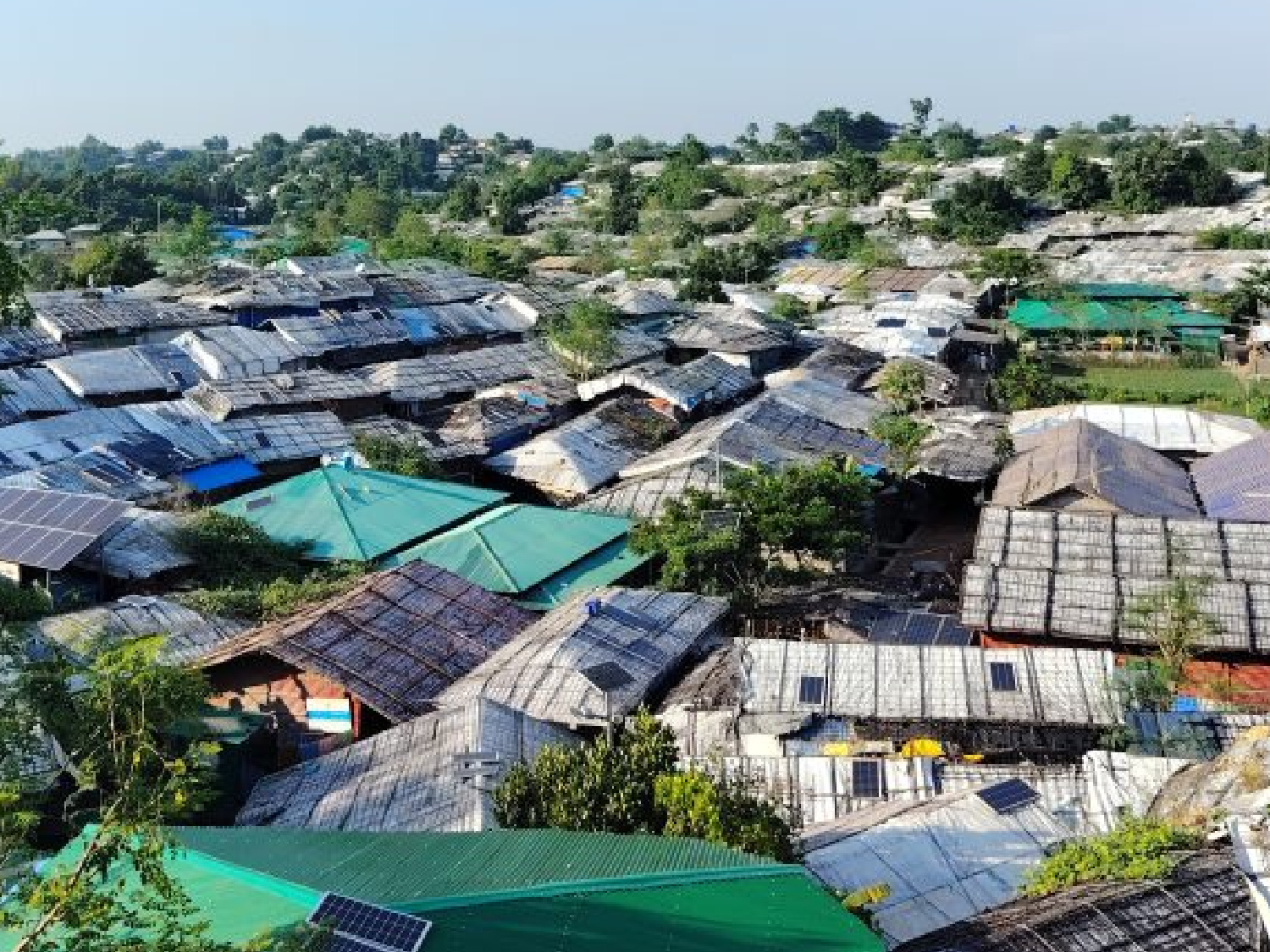
The Rohingya refugee camps are densely packed, short of services and at the mercy of traffickers
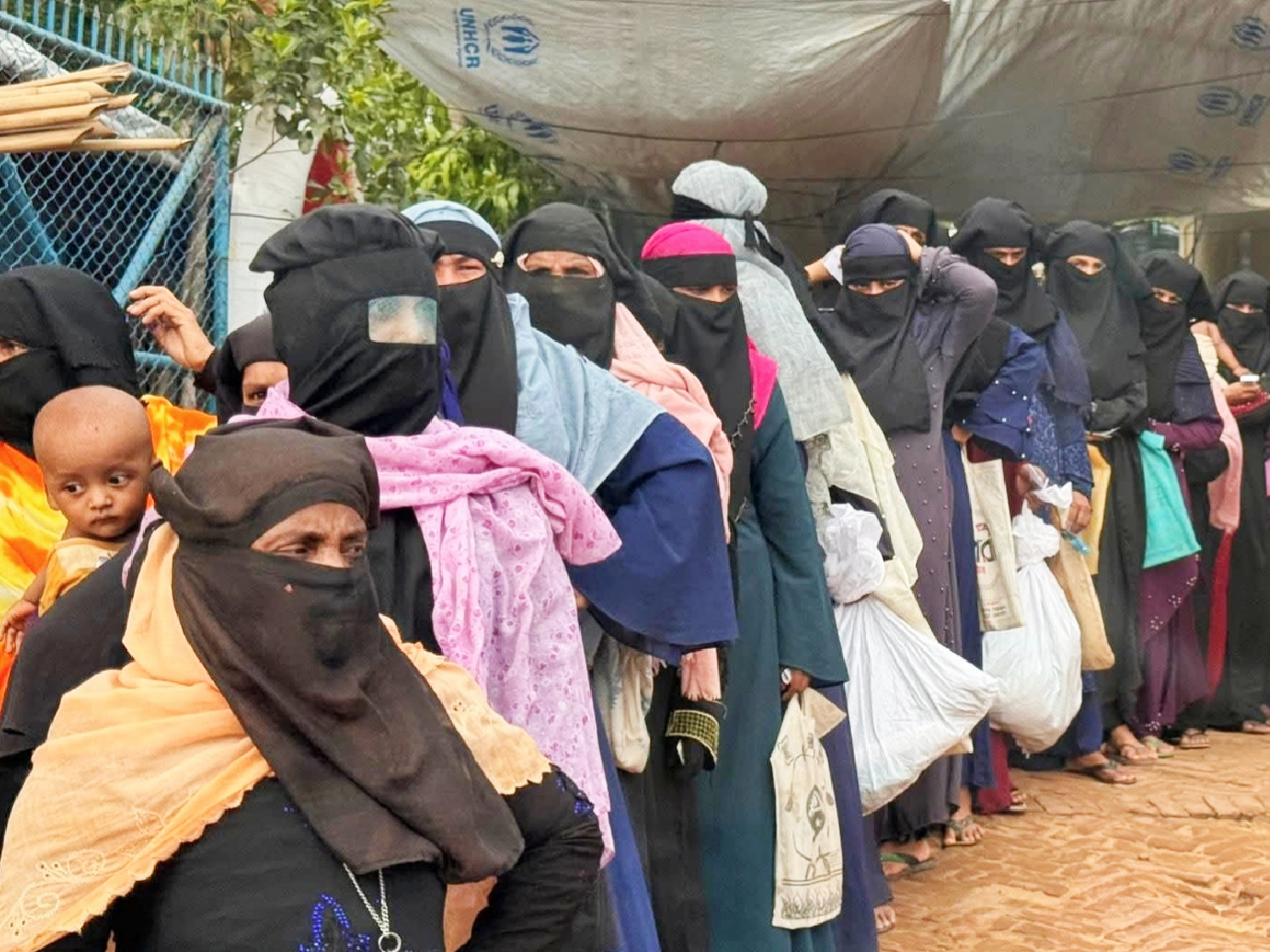
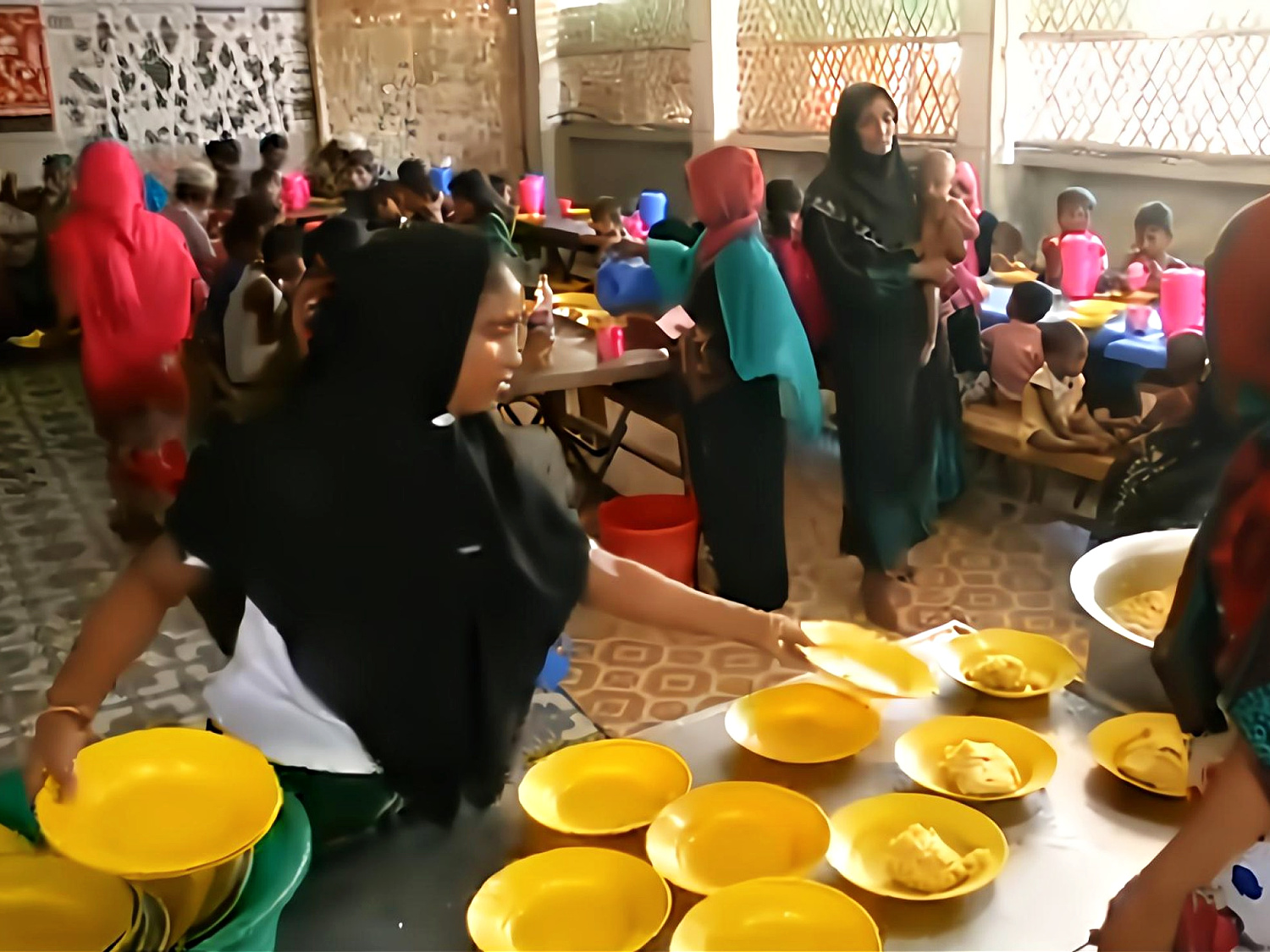
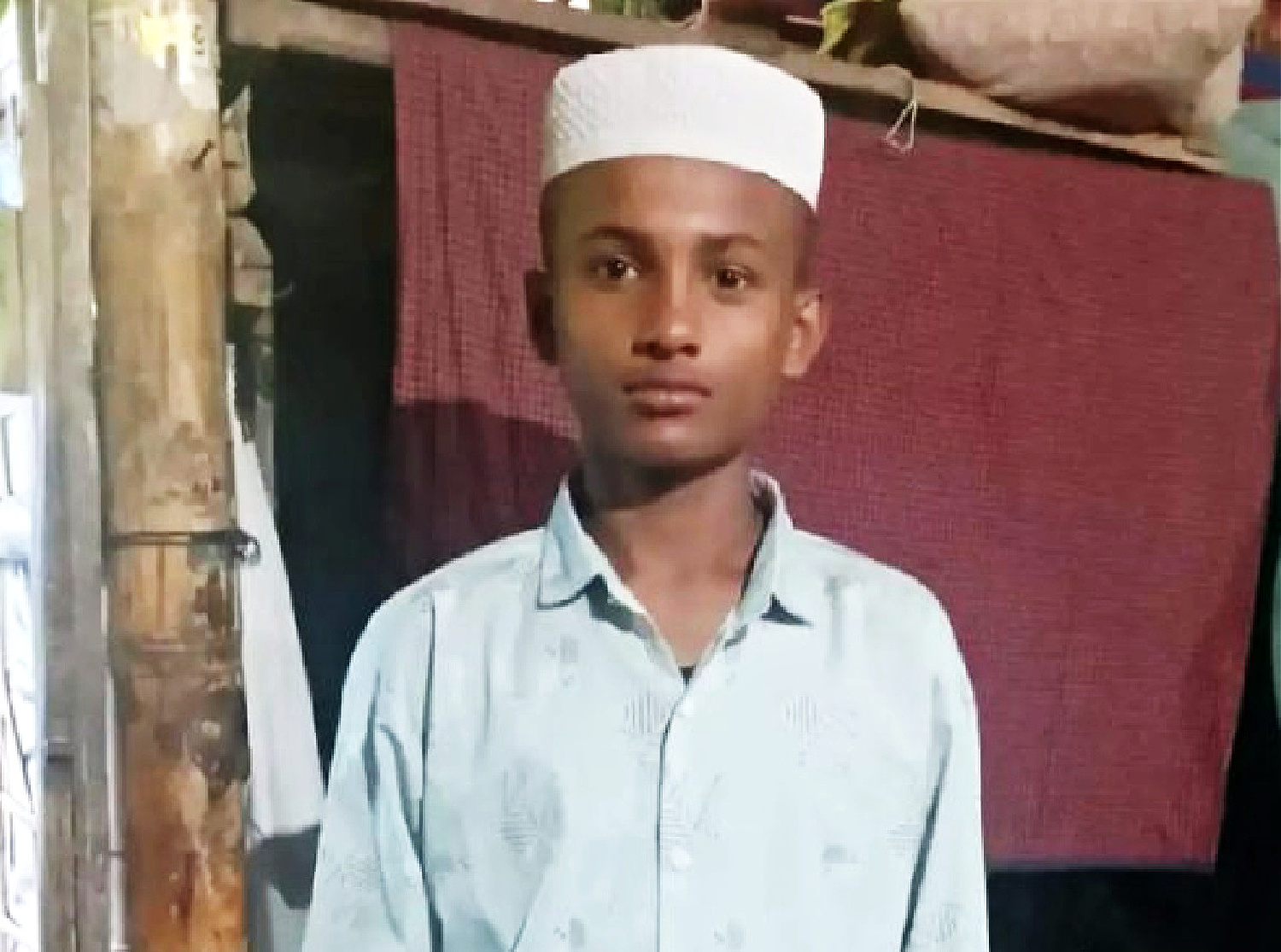
Missing at sea and presumed drowned: Furkahan Hoque, 13, was abducted by traffickers from the Jamtoli refugee camp on October 25. He disappeared on November 9 after the boat he was traveling in sank with 90 refugees on board. Read his story here.
*