
2026 Projects and Partnerships
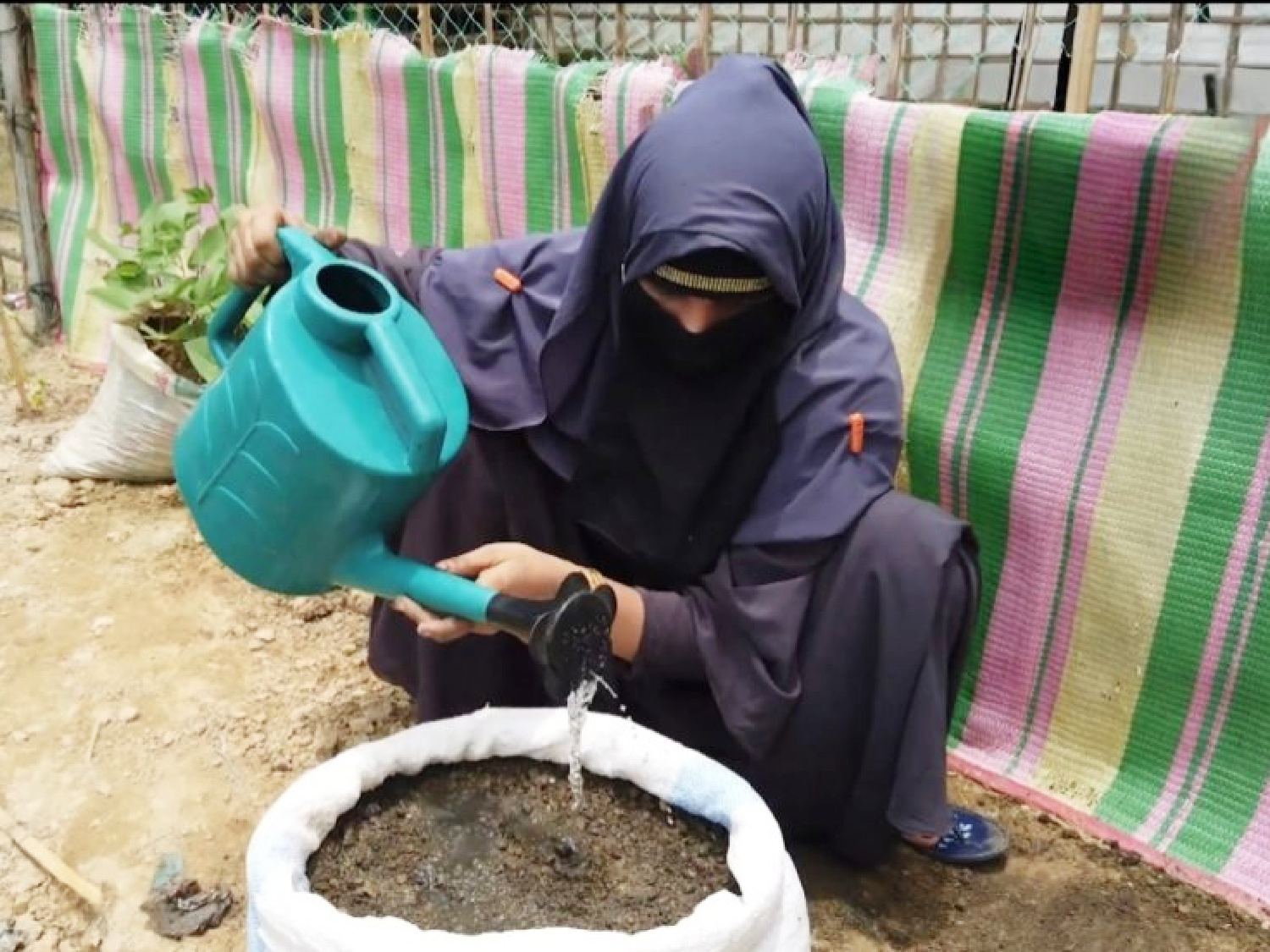
AP has helped to launch a start-up by Rohingya refugees to grow food in the Jamtoli camp in Bangladesh – one of the largest and most densely crowded in the world.
In 2026 The Advocacy Project will support fifteen community-based projects in Vietnam, India, Nepal, Palestine, Uganda, Zimbabwe, Kenya, Canada (The Afghan Memory Home), and the US. All seek to empower marginalized communities and are led by individuals who have taken the lead in demanding social change.
Six projects are start-ups and have received an initial investment of $1,000 from AP. If they meet their goals this year and define a long-term path to social change, we will offer long-term support for up to five years. The remaining projects have received support from AP for more than a year. In 2025 we transferred $60,719 to eleven partners.
Click here for a list of the services we offer; here for FAQs; and here for our our annual reports. Learn about the partnerships supported by AP since the pandemic in 2020; in 2021; in 2022; in 2023; in 2024; and in 2025.
We hope to deploy student volunteers (Peace Fellows) to work with partners in person or remotely in 2026, and are deeply grateful to students who have worked with us since our fellowship program began in 2003. Click here to read their blogs and apply for a 2026 fellowship here.
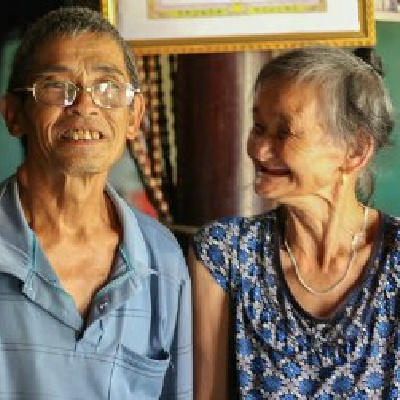 |
Support Agent Orange caregivers in Vietnam: Nguyen Huu Phuc and his wife Nguyen Thi Thanh are among tens of thousands of Vietnamese still affected by Agent Orange, the herbicide that was sprayed over South Vietnam during the war. Five of their eight children were poisoned by dioxin, and two died. Working through our partner in Quang Binh province, the Association for the Empowerment of People with Disabilities (AEPD), AP has raised funds for fifteen affected families, including the Phuc family, and sent 13 Peace Fellows to tell their story. In 2026, we hope to pair more Fellows with new families. Click here to read more about the program and meet the families and the Fellows. Click here for our latest news bulletin. Click here for the powerful blogs of 2025 Peace Fellow Angie Zheng. Check out this series of 11 blogs about AP’s 14-year involvement with Agent Orange. |
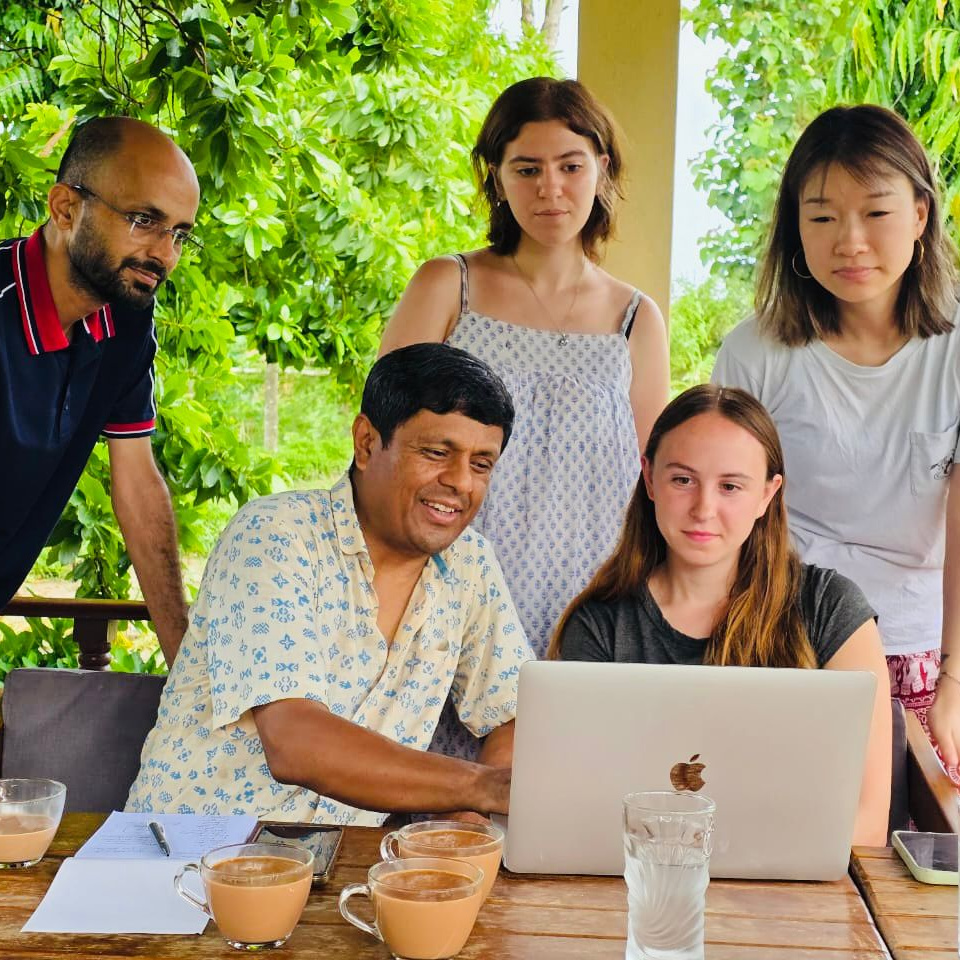 |
Advance victim-based transitional justice through higher education, advocacy and international networking in Nepal: AP has supported NEFAD – the Network of Families of the Disappeared (Nepal) – since 2015. In 2025 we sent three student Peace Fellows to help Ram Bhandari, the founder of NEFAD, develop a new center and academic program for survivors and victims of conflict at Kathmandu University – the first of its kind. The team, seen in the photo, also launched a new newsletter, Survivor’s Record. Beginning in 2026, the Center will offer courses that combine academic study with field work in districts affected by conflict and visits to memory sites. AP will offer scholarships of $1,000 to foreign students. Contact DCOffice@advocacynet.org for more information and read this news bulletin for background. Seen in the photo clockwise: Dr Ram Bhandari, Niraj Acharya, Laila Azmy (Wesleyan College), Shuyuan Zhang (Maastricht University Law School) and Emma Cohen (Wellesley College). |
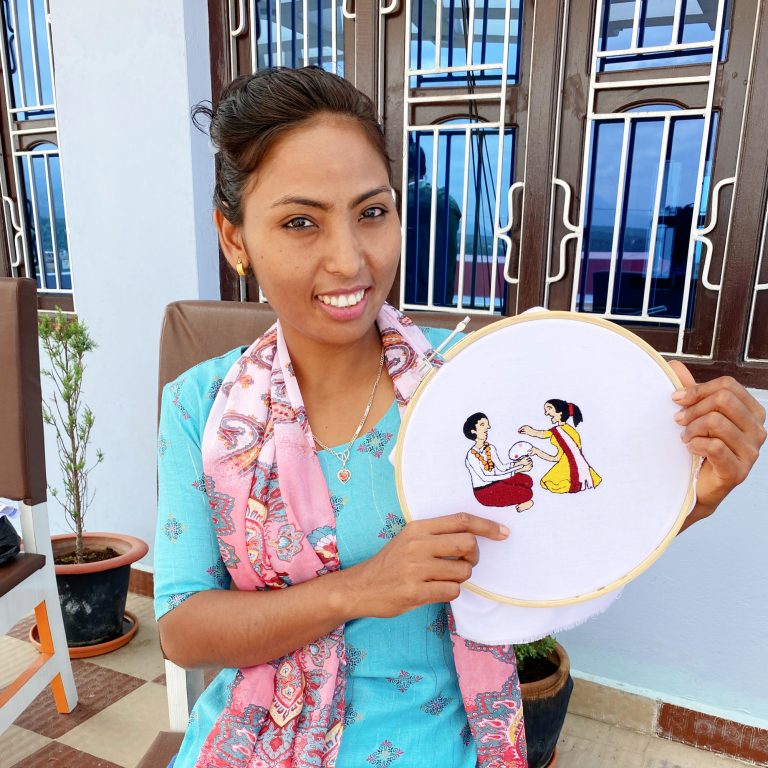 |
Produce tea towels from the embroidery of family members of the disappeared in Nepal: Kushma Chaudhary’s father was forcibly disappeared during the conflict in Nepal. Deeply affected by her loss, Kushma has become an advocate for transitional justice through our partner NEFAD. With help from AP, Kushma also turned to stitching to tell the story of her father’s disappearance and describe the impact of the COVID pandemic in her village in the district of Bardiya. Together with several other close friends who also lost their fathers, Kushma has become a skilled fiber artist and produced a set of delightful designs on the theme of festivals in Nepal. AP and NEFAD will use their designs to produce a new line of tea towels in 2026. The towels will be sold on behalf of the artists through our online store, Southern Stitchers, which also stocks Kushma’s Tiger bags. Click here for a news bulletin about the survivors’ push for reparations.
|
 |
End child marriage and caste discrimination in Nepal: Sunita Chidimar is a member of the Chidimar sub-caste, which was known for catching and killing rare birds before the caste system was abolished in Nepal. Sunita is also a leading advocate against child marriage after being betrothed at the age of 5 and married at 14 against her will. At the request of our long-time partner in central Nepal Backward Society Education (BASE), AP will invest in a start-up to end the practice. The project will be headed by Sunita and run from BASE. Read how Sunita shocked the Prime Minister of Nepal by her impassioned call for action. |
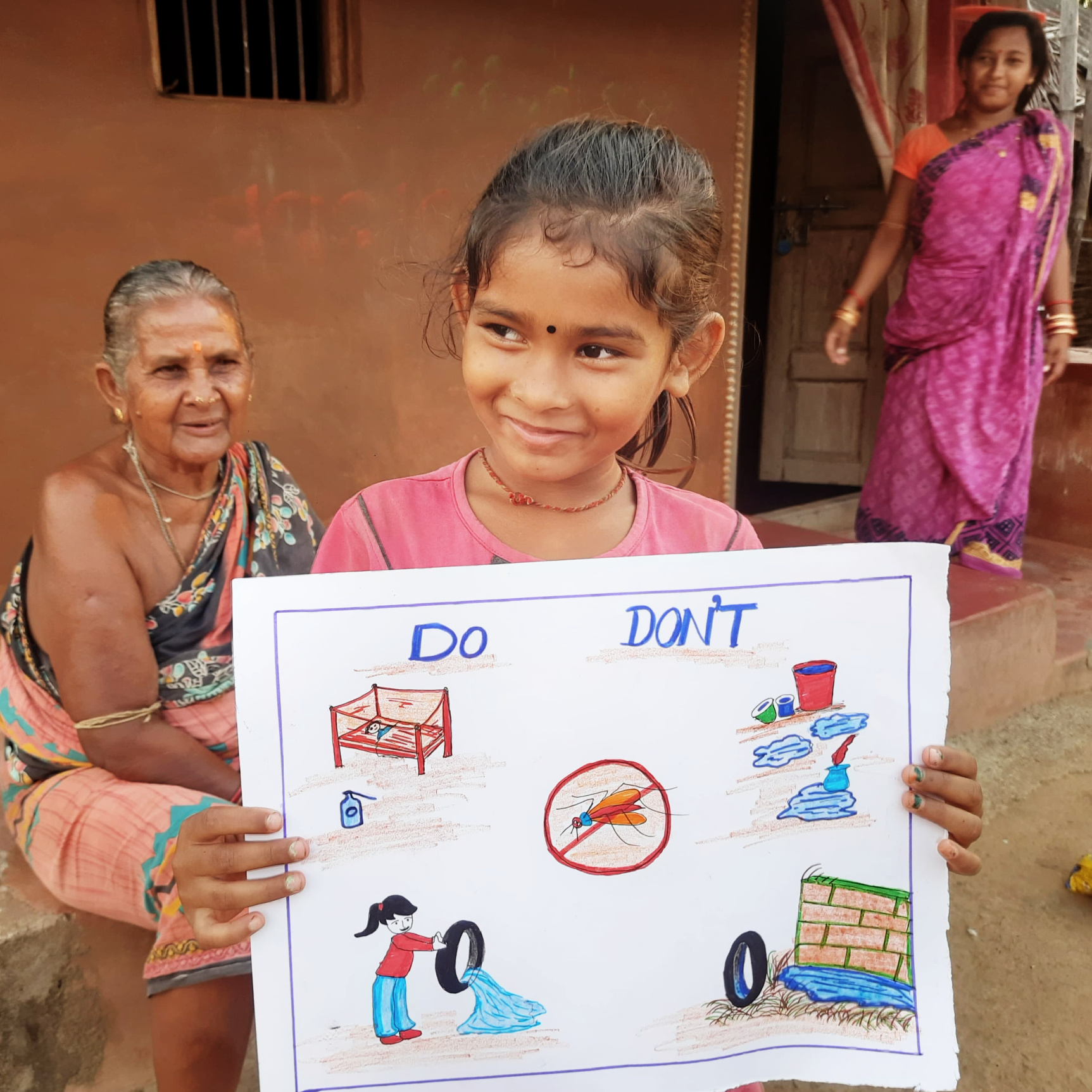 |
Eradicate malaria and improve the well-being of tribal women in India: We will continue to support an exciting program by our Indian partner Jeevan Rekha Parishad (‘Lifeline’) to empower and protect tribal women and children against malaria and improve menstrual hygiene in the state of Odisha. Building on a successful 2024 start-up, JRP will help self help groups in 25 villages to produce and sell Neemola mosquito repellent, as part of a broad campaign to help women protect themselves against sickness and earn a disposable income. In 2025 the project filled over 6,000 bottles of Neemola, distributed 100 mosquito nets to vulnerable families, and trained girls to make 3,000 sanitary pads. Read more in this news bulletin; watch our much-praised 2024 video about the connection between tribal life and Neem trees; and click here for the blogs of our 2024 Peace Fellow Adin Becker. |
 |
Help Rohingya refugees grow vegetables and lessen their dependency on food aid in the camps of Bangladesh: AP is supporting a start-up by the Rohingya Education And Advocacy League (REAL), an association of friends who have fled from Rakhine State in Burma (also known as Myanmar). REAL has purchased seeds and material for 40 families in the Jamtoli refugee camp, one of 33 camps that are home to over a million refugees. REAL’s coordinator, Maung Myint Swe, is folllowing the project through blogs on our website and posting powerful photos on our Flickr library. REAL is also receiving technical advice about the construction of kitchen gardens in narrow spaces from Shield of Faith, the Kenya composting experts. We hope to introduce their ideas to social entrepreneurs in other refugee camps. Click here to read more. |
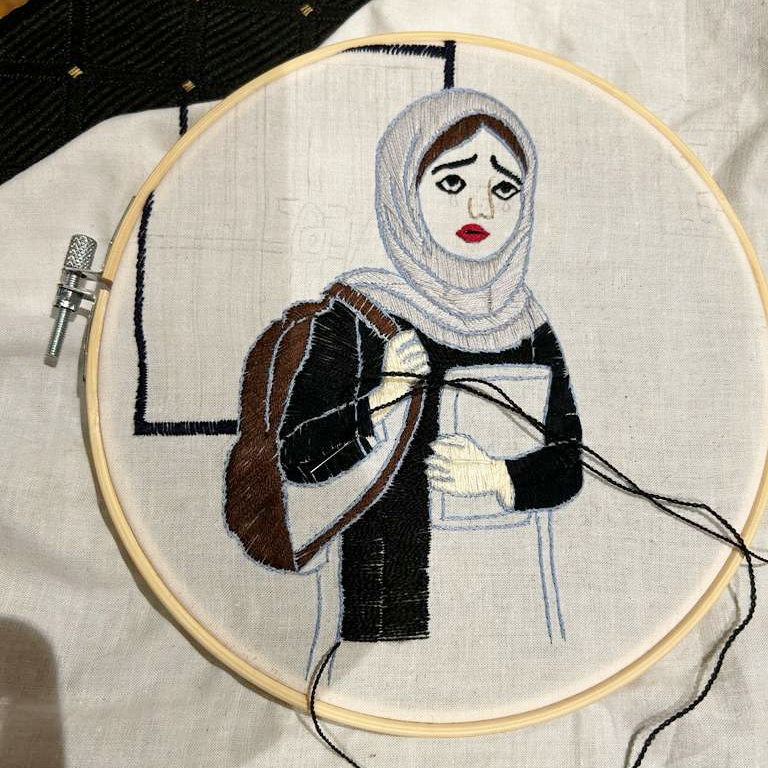 |
Empower women refugees from Afghanistan through stitching and story-telling: We are working with the Afghanistan Human Rights and Democracy Organization (AHRDO) to tell the stories of eight Afghan women who have fled repression by the Taliban and to seek justice through international bodies. Bobbi Fitzsimmons, our quilting coordinator, held a training for the eight artists in Canada before Christmas. Their embroidered stories will be turned into an advocacy quilt by expert quilters in Toronto. The quilt will be added to the Afghanistan Memory Home, a virtual database of commemorative stories, and used by AHRDO in its international advocacy. |
 |
Support remote learning for women and girls in Afghanistan: AP will contribute to a successful and important project by the Afghanistan Hub of the Global Co-Lab, which offers five virtual classes a week to 60 women and girls in six provinces of Afghanistan. The immediate goal is to help the women achieve English-language proficiency and enable them to find employment in Afghanistan and abroad. Our initial grant will provide power banks for the students, to ensure they have electricity for classes. The Hub hopes to reach 90 women in 2026. |
 |
Plant olive trees on the West Bank in Palestine: AP has provided seed money for to the Palestinian House of Friendship, our long-time partner in the town of Nablus, to expand the production of olives. Palestinian olive trees are among the oldest in the world and central to the Palestinian culture and economy, yet thousands have been destroyed by Israeli settlers. Six PHF volunteers helped three farmers to plant a first batch of 25 trees on December 16. If the seedlings take hold and green spouts appear in the spring, PHF will celebrate with a performance by its Sunnar singing group and seek funding to plant more trees. The illustration on the left shows olive trees being bulldozed and was one of 16 blocks stitched by PHF volunteers for the Palestinian Sumoud (Resilience) Quilt in 2015. |
 |
Improve the health and hygiene of girl students in Uganda through WASH and malaria prevention: Helped by AP, the Gulu Disabled Persons Union (GDPU) has installed toilets and handwashing at seven primary schools in Gulu District with a population of 4,672 students, and shown that WASH boosts the enrollment of girls. In 2025 GDPU added malaria and menstrual health to its WASH trainings. This year GDPU hopes to join other NGOs and the Gulu District Education Office in monitoring the condition of toilets in at least 15 schools. GDPU will also produce 2,000 liters of Clean Wash soap and help the schools to produce their own soap as part of the WASH package. Joe Okwir, a GDPU team member, is monitoring the project through blogs. Click here to watch A Community WASH in Uganda, our video of GDPU at work in the schools. Read this bulletin for more information and read the blogs of 2025 Peace Fellow Aaron Bailey seen here at a GDPU training to make re-usable sanitary pads. |
 |
Expand composting and gardening, and improve nutrition in the settlement schools of Nairobi and refugee camps: Stella Makena, seen on the left with Liz Awor, launched a composting and gardening start-up for single mothers in the crowded Kibera settlement of Nairobi in 2021, with help from AP. Last year Stella’s group, Shield of Faith composted 5.5 tons of food waste and grew vegetables in 14 kitchen gardens constructed from recycled material. Shield of Faith also began composting and gardening in four under-served schools, as well as advise the gardening start-up in the Rohingya refugee camps of Jamtoli in Bangladesh. This year the group plans to work in two more schools in Nairobi and support gardening initiatives by refugees in Kenya. Watch our video The Worm Ladies of Kibera, read this recent update about the project, and enjoy the blogs and videos of our 2025 Peace Fellow Julia Holladay. |
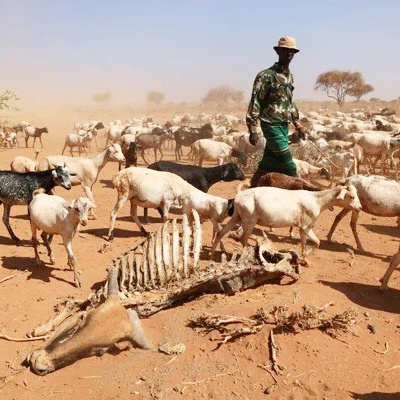 |
Promote peace among pastoralists by strengthening climate resiliency in Northwest Kenya: Children Peace Initiative, an AP partner since 2015, eases tensions between warring tribes by organizing peace camps for their children. In 2022, with funding from AP, the group added a new element by organizing a cow camp for warrior-herders from the Pokot and Samburu tribes where they could discuss the common threat from drought. CPIK’s work on climate has picked up pace in the years since. CPIK organized four cow camps (“peace outreach fora”) for 784 warrior-herders from the Pokot and Ilchamus tribes, and got them to agree to alert each other when herders are forced by drought to move their cattle. This has dramatically reduced cattle raiding. In a sign of improved cooperation between the tribes and government, Kenyan police reservists will oversee the return of Ilchamus families who fled from flooding in Lake Baringo – another casualty of climate change. AP will help CPIK to fully integrate climate resiliency into its 2026 work plan, which has German funding. Read this recent report on CPIK’s 2025 achievements. |
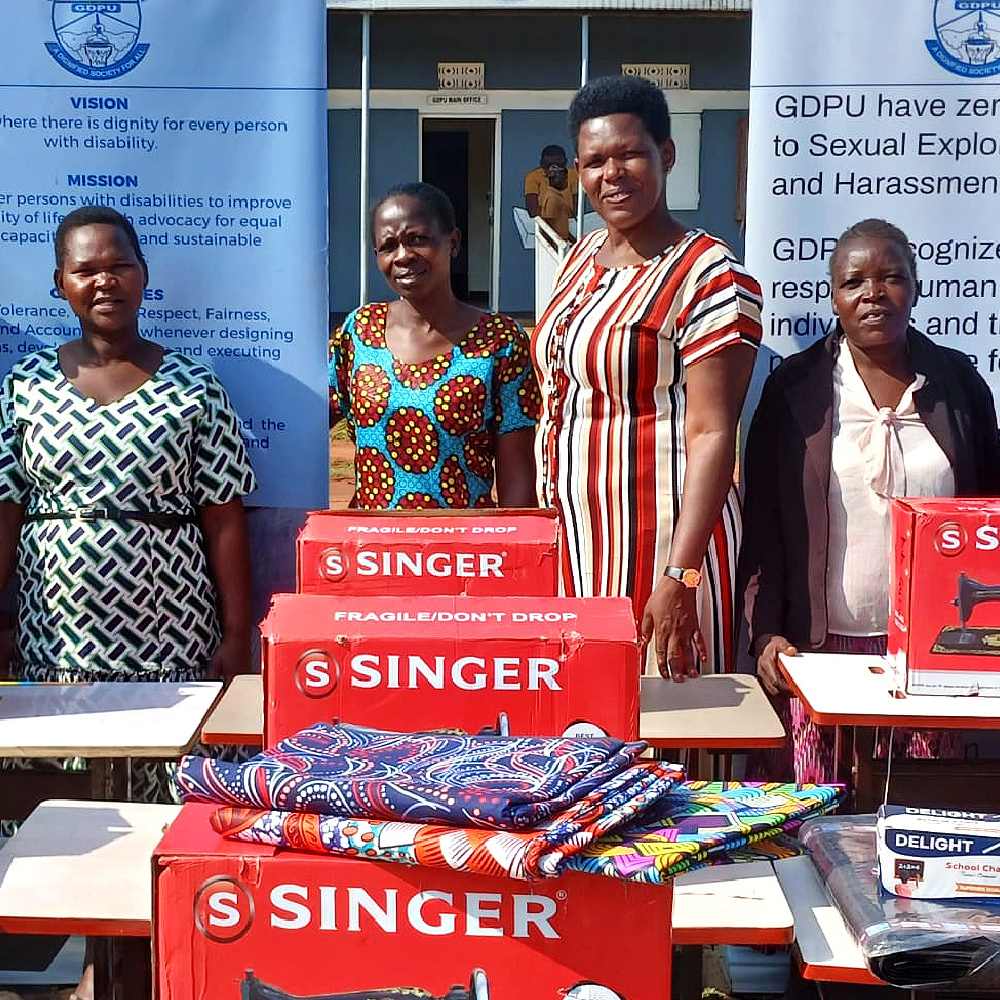 |
Help GBV survivors in Uganda to expand their tailoring business: Women in Action for Women, an AP partner since 2020, took an important step towards generating a sustained income in 2025 with the launch of a new tailoring business in the town of Gulu, Uganda. Funding for the business came from Sister Artists 3 – an auction of butterfly quilts that were designed by WAW members and turned into art quilts by quilters in North America and Kenya. AP also launched an online appeal for WAW. The money allowed WAW to purchase sewing machines, seen in the photo, hire trainers and rent space for training at the offices of GDPU. We will continue to support these talented and enterprising women in 2026 and hope their business will be self-sustaining by the end of the year. |
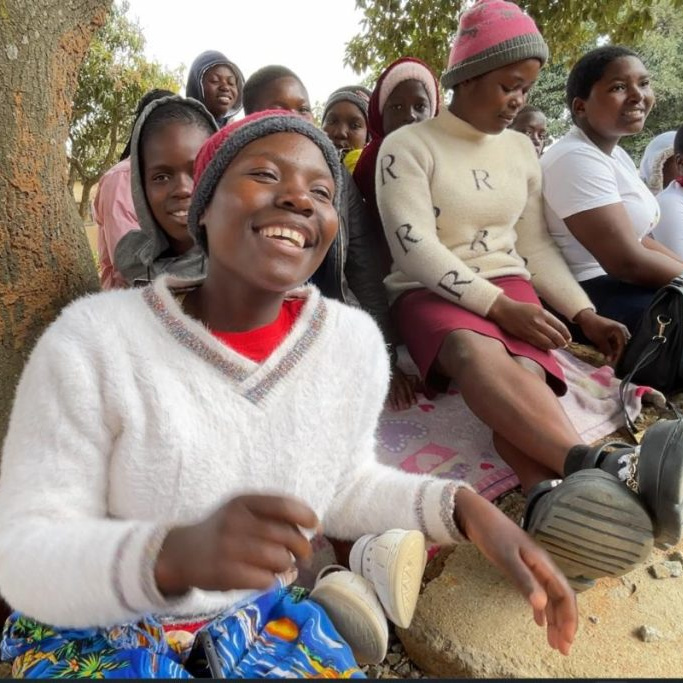 |
Educate girls from inner city neighborhoods in Zimbabwe: Tatenda Mukanya, 18, graduated from high school in Harare in 2024 thanks to a unique collaboration between high school students in the US and Zimbabwe. The project is an initiative of Women Advocacy Project, a long-time AP partner that helps girls in under-served neighborhoods of Harare to resist early marriage by earning money from soap. Over a hundred girls earned $656 in 2024. Meanwhile, in the US, high school students in Georgia, Virginia and Tennessee have raised $2,940 by selling their own brand of Clean Girl soap to pay for the education of WAP girls who had dropped out of school. This has covered the fees of 38 soap-makers in Zimbabwe, including Tatenda. AP will continue to support WAP’s education project in 2026. Click here for more on Tatenda’s inspiring story. Admire her dance moves here. See the WAP soap-makers at work in Harare and accompany a team of American students as they sell their Clean Girl soap on the streets of Arlington VA. Email us at DCOffice@advocacynet.org to participate!
|
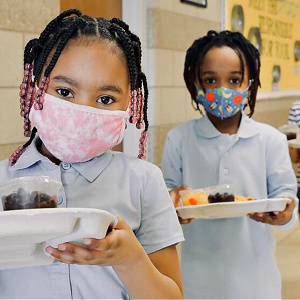 |
Support composting in Pennsylvania schools: Over the past two years AP has drawn on funds from Keep Pennsylvania Beautiful to support composting at the Lower Merion and Harriton high schools in the Ardmore school district. The food waste is picked up by Mother Compost, an AP partner. At present the waste only comes from school kitchens, and we hope to expand the project to cafeterias in 2026, working with students. We also hope to select two students to serve as composting “ambassadors” and connect them to student ambassadors in Nairobi who are composting at their schools through Shield of Faith. Email us at DCOffice@advocacynet.org to participate! |
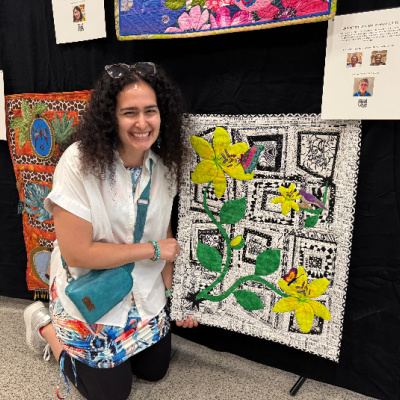 |
Advocacy quilting: Katelyn DiBenedetto from the Zonta Club of Washington was among many who visited our exhibition of Ugandan butterfly quilts at the prestigious GWU Museum and Textile Museum in Washington DC. We also exhibited 17 advocacy quilts at the Houston International Festival and at the Cameron Art Museum in Wilmington North Carolina. In addition to hosting more exhibitions in 2026 we will assemble a new quilt from blocks made by Afghan women refugees; produce tea towels from festival designs stitched by daughters of the disappeared in Nepal; support a story-telling start-up in the Rohingya refugee camps; upgrade our online store Southern Stitchers; and publish a new catalogue of all quilts curated by AP. We will also expand our network of quilters and textile artists, which stands at around 800. |
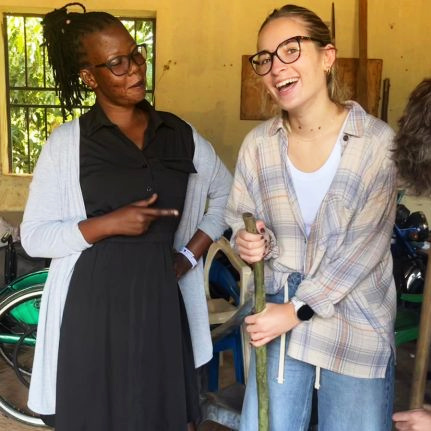 |
Peace Fellows: Maddy Pound, a recently graduate from York University, UK, was among nine students recruited as Peace Fellows to volunteer with AP partners in 2025. Maddy spent six weeks at the GDPU in Uganda and is seen here mixing Clean Wash soap under the direction of Emma Okello, the WASH project manager. AP has deployed 344 students as Fellows since 2003 and will recruit more in 2026 if funding permits. We will give priority to Nepal and Vietnam. In Vietnam we hope to pair two or three students with families affected by Agent Orange. In Nepal we will offer up to four scholarships to study transitional justice at the new Center for Human Rights and Victims of Violations (CHRV), run by our partner NEFAD in the School of Arts at Kathmandu University. Students will also make field visits to memory sites and meet with family members of the disappeared in Bardiya district. Read the blogs of past Fellows and visit this page for information about how to apply for a 2026 fellowship. |
*