

In the geographically isolated village of Abaka, the total absence of government services has entrenched a cycle of systemic neglect and deep-seated illiteracy. Within this marginalized context, formal education is frequently perceived as a redundant luxury, and the girl child is disproportionately affected by traditional norms that prioritize her role as a domestic laborer or a future bride. Consequently, childhood is prematurely truncated, as parents resigned to a lack of external infrastructure, view investment in a daughter’s schooling as a depletion of scarce household resources rather than a pathway to advancement.
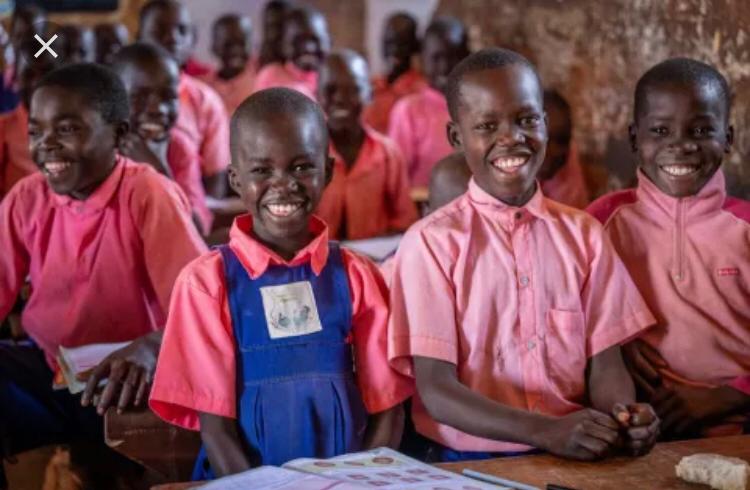
Happy to Stay in Class, A Girl Child in Abaka Keeps a Beautiful Smiles While Learning.
This educational exclusion is exacerbated by menstrual poverty, a critical health barrier that remains entirely unaddressed in Abaka. Lacking access to basic sanitary products, girls are compelled to utilize improvised, unhygienic materials such as old rags, newspaper, or dried leaves, which pose significant risks of urogenital infections. This physiological reality, coupled with a pervasive culture of silence, results in recurring school absenteeism. In a community where a girl’s right to education is already precarious, these monthly interruptions often serve as the final catalyst for permanent dropout and the transition into forced early marriage and damaging health risks.
To mitigate this, the implementation of menstrual health training and the production of reusable sanitary pads is a vital, evidence-based intervention. By equipping girls with the technical skill to sew pads from locally sourced, absorbent cotton, we establish a model of sustainable self-reliance. A single kit of high-quality reusable pads can remain functional for over eight months, effectively neutralizing the financial barriers that currently dictate the trajectory of a girl’s life. This approach provides a practical, eco-friendly solution to a biological challenge that the community is currently ill-equipped to manage.

Peer to Peer Learning is a Habit in Healthy Educational Environment.
Furthermore, this intervention serves as a strategic tool for socio-economic empowerment. When a girl gains the knowledge to manage her health with dignity, it fundamentally challenges the prevailing narrative that she is merely a commodity or a domestic servant. This shift in perspective is essential for a society that has resigned its fate to illiteracy; it demonstrates the tangible link between health, dignity, and potential. Empowering the girl child to remain in school is a proven method for delaying marriage and improving long-term community outcomes, transforming her from a victim of circumstance into a more productive resilient individua in society.
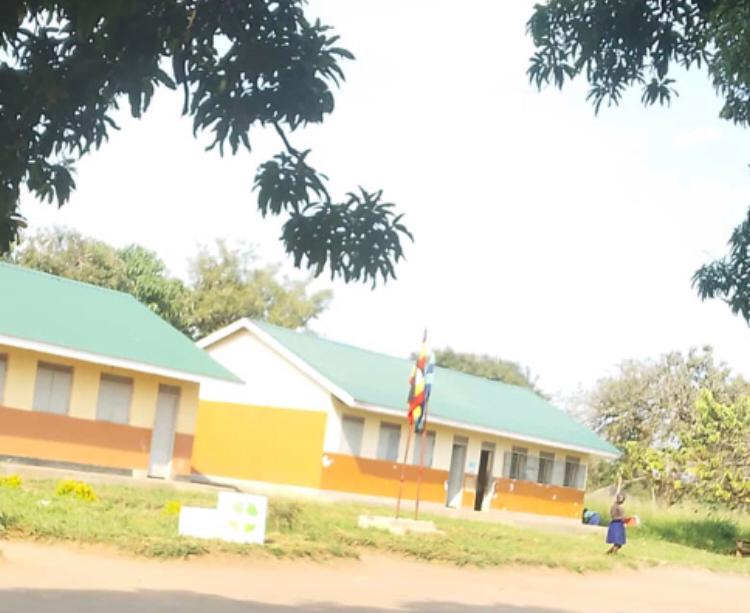
An Empty School Environment on a Normal School Day is a Common Scene in Abaka Primary School.
The situation in Abaka demands an urgent, coordinated response to restore the fundamental rights of the girl child. Despite the community’s current resignation and the lack of external support, targeted intervention can provide these girls with the tools to reclaim their childhood, achieve academic success and confidence. It will require your support to bring these essential services to this isolated village, ensuring that a vulnerable population can overcome systemic barriers and emerge triumphant. Your partnership is key to securing a future where a natural biological process no longer stands as an obstacle to human potential and progress.
Posted By OKWIR JOSEPH JOHNS
Posted Jan 21st, 2026
2 Comments
Iain Guest
April 12, 2026
Thanks for this excellent blog, Joe! You make a strong case for investing in the menstrual health of girls and I must say that I had no idea that girls were using “old rags, newspaper, or dried leaves” instead of sanitary pads. I must say it is depressing to learn that Abaka school is once again lagging behind, and that the school authorities are so uninterested in the health of their girl students. I really hope you can change this in 2026!! Look forward to more great blogs and well done again!
Anna Kate Connors
June 13, 2026
This is a very interesting blog that really highlights the importance of menstrual health education. Seeing how access to female sanitary products can impact school success and attendance is eye opening. Thank you for this blog!