

In the field of school-based Water, Sanitation, and Hygiene (WASH), “sustainability” is more than a technical term; it is a commitment to the future. For years, our monitoring and evaluation teams have worked across the region, providing the data needed to keep inclusive facilities functional. Yet, the recurring hurdle of institutional reluctance has often left these facilities and the learners who rely on them in the dark.
Abaka Primary School is currently at a historic crossroads. After successive rounds of rigorous monitoring and candid dialogue with the GDPU team, we have witnessed a breakthrough: the leadership has transitioned from passive reluctance to proactive ownership.
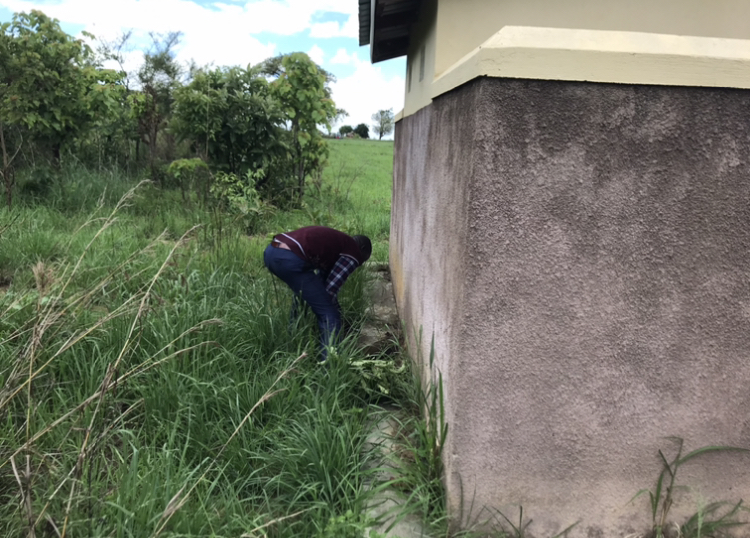
The Head Teacher of the School Checks on the Drainage System of the Toilet.
They have stopped waiting for a “handout” and started building a “hand-up.” By activating a network that includes a Christian faith-based organization, parent stakeholders, and Local Council (LC) leadership, the school has assembled the logistics for change. They attribute this new eagerness directly to our constant monitoring presence. However, while the spirit of stewardship has awakened, the physical environment tells a different story.
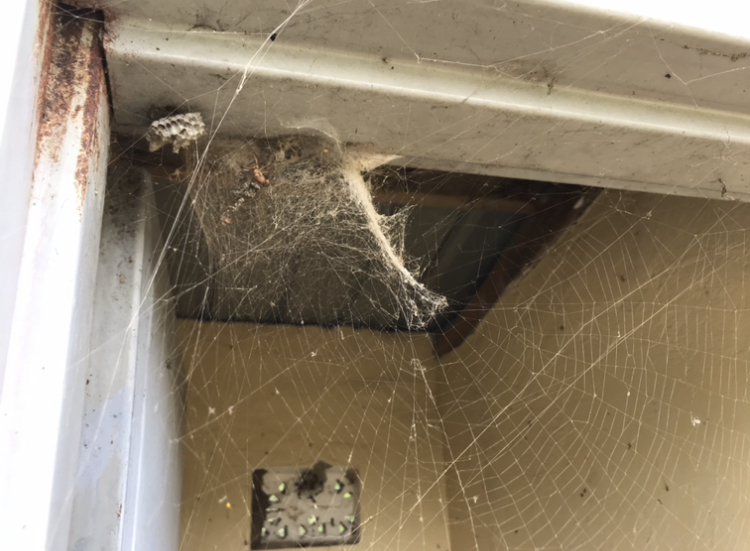
A Structure Devoured by Cobwebs By Cobwebs While the Community Watches.
To appreciate the effort being made, we must be honest about the magnitude of the problem that still exists. Despite the plans on paper, the school’s latrines remain a site of significant concern:
- Environmental Hazards: The structures are currently ridden with wasps and thick with spider webs, creating an intimidating and unsafe environment for learners.
- Physical Deterioration: Overgrowth has begun to reclaim the facility, with vegetation encroaching on the structures, signaling a long period of dormancy.
- Operational Misuse: Without active daily management, misuse by the learners continues to compromise hygiene, threatening the health of the very students we seek to protect.
We appreciate the mobilization efforts currently underway, but we cannot ignore that these issues remain a huge problem. The “will” to renovate is a vital first step, but a plan to drain a latrine does not remove the wasps today.

Misuse Had Become a Common Phenomenon within the School Facility, Not Just From the Learners themselves, But also From Teachers.
As we move into the 2026 program cycle, Abaka serves as a powerful case study in the “last mile” of development. The logistical pieces are on the board, and the leadership has found its voice. But the true test of stewardship isn’t found in a meeting it is found in the clearing of the overgrowth, the removal of the hazards, and the restoration of dignity to the learners.
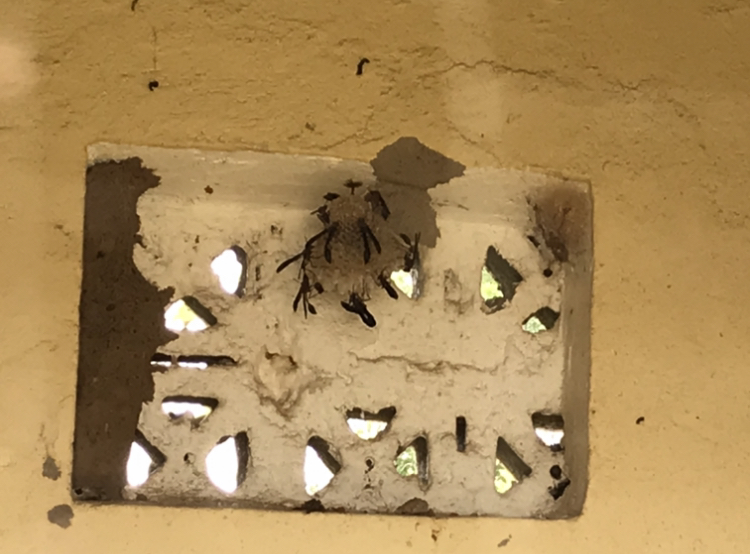
A Multi Million WASH Facility Left to the Mercy of Wasps in Abaka Primary School.
The accomplishment at Abaka so far is the psychological shift. The next milestone must be the physical one. We have done the work of awakening the leadership together; now, that leadership must prove it has the courage to pick up the tools and transform a neglected structure back into a sanctuary for education. The horizon of aid has been crossed now; the real work begins.
Posted By OKWIR JOSEPH JOHNS
Posted Apr 27th, 2026
2 Comments
Emma Badach
June 12, 2026
Great work Joe! Maintenance and upkeep was not an issue that I had considered, this is super interesting.
Iain Guest
June 12, 2026
Just when we thought Abaka had turned a corner, you post these horrible photos! Then ONLY solution is to develop a roster for cleaning these toilets and making sure the health clubs receive ALL the encouragement and equipment (water, pails, brushes etc) they need. We know they can do it….. Hopefully, everything will be spick and span when you next visit. I do appreciate your professionalism, Joe. Monitoring these toilets is NOT easy…….You’re setting a wonderful example….