

Ever wondered how life actually looks like in the tribal villages of Odisha? Then hold on! I will take you straight into the heart of daily life that is raw & real and share my lessons with the tribal communities of this region.
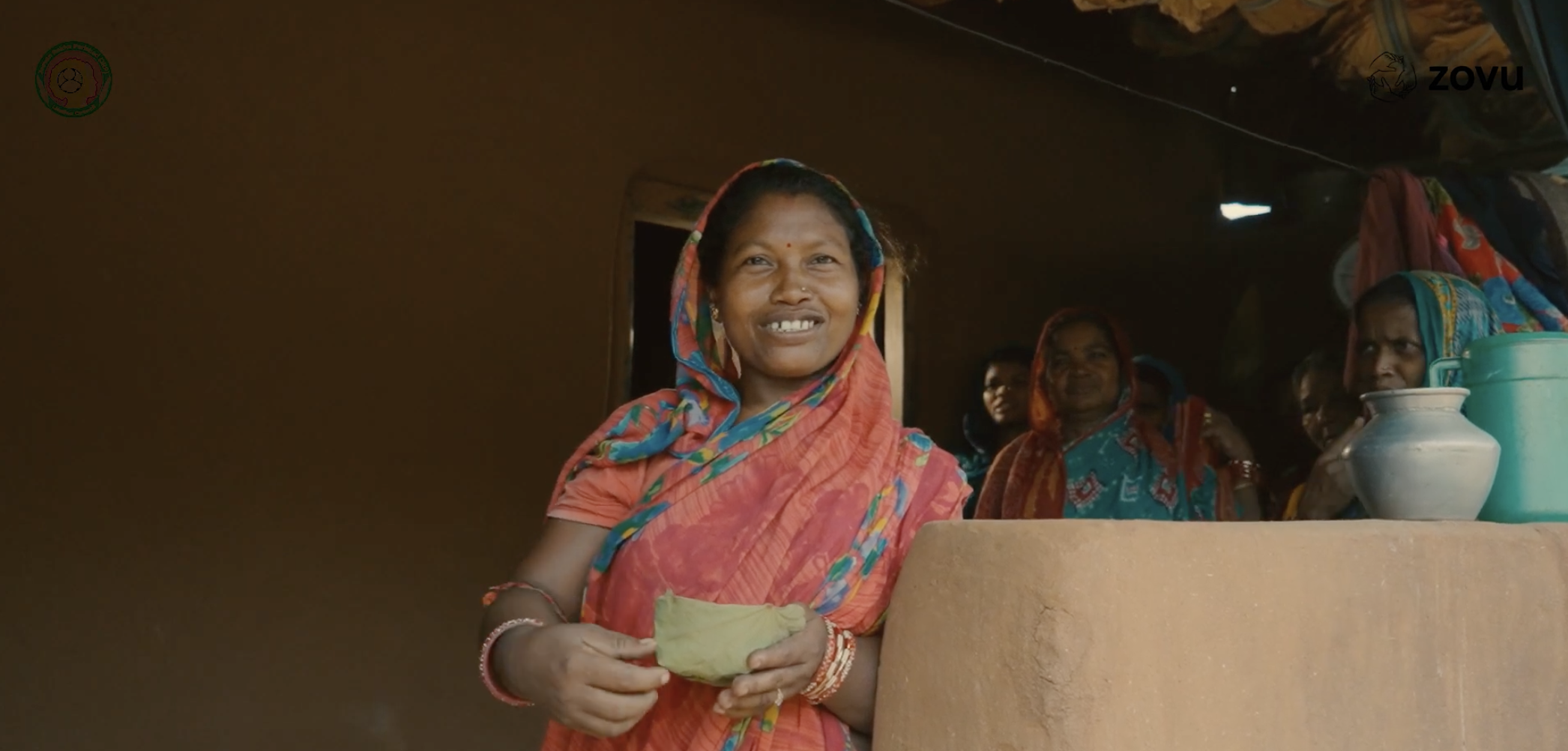
Hingula Jani, Dugudi Village
A story of empowerment— Meet Hingula Jani, a star community mobilizer. She lives in Dugudi, a quite tribal settlement tucked away over 120 kilometers (~75 miles) from the bustling capital of Bhubaneswar. She has become a symbol of empowerment among local women through her growing involvement & contribution to the Neeloma program. This initiative utilizes traditional knowledge of using neem to prevent mosquito bites, protecting the community against malaria while bringing home much-needed disposable income. As you watch her in her kitchen, life here might look beautifully simple, but the everyday reality is far from easy.
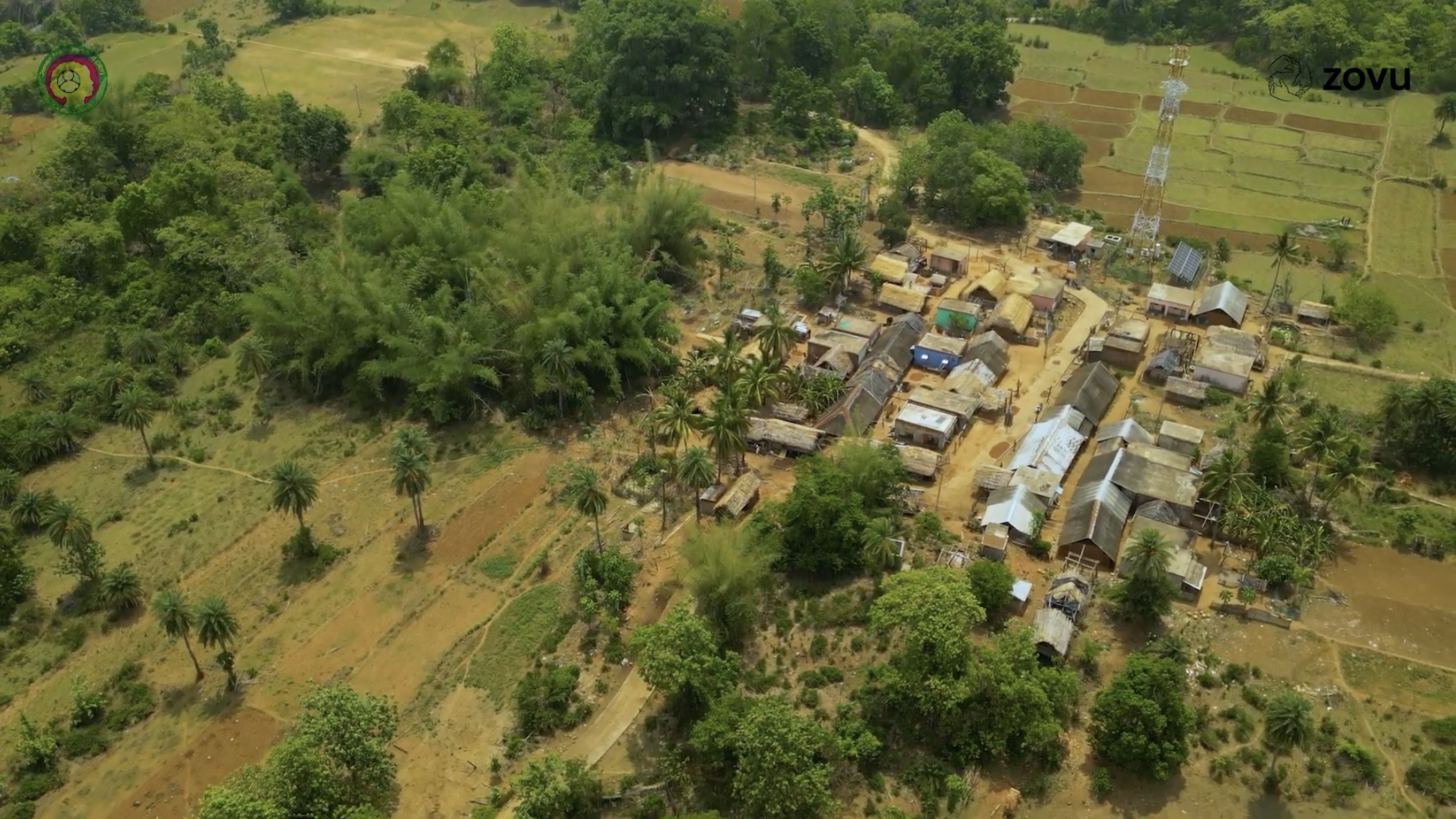
Natural Green Housing, Sundartaila village
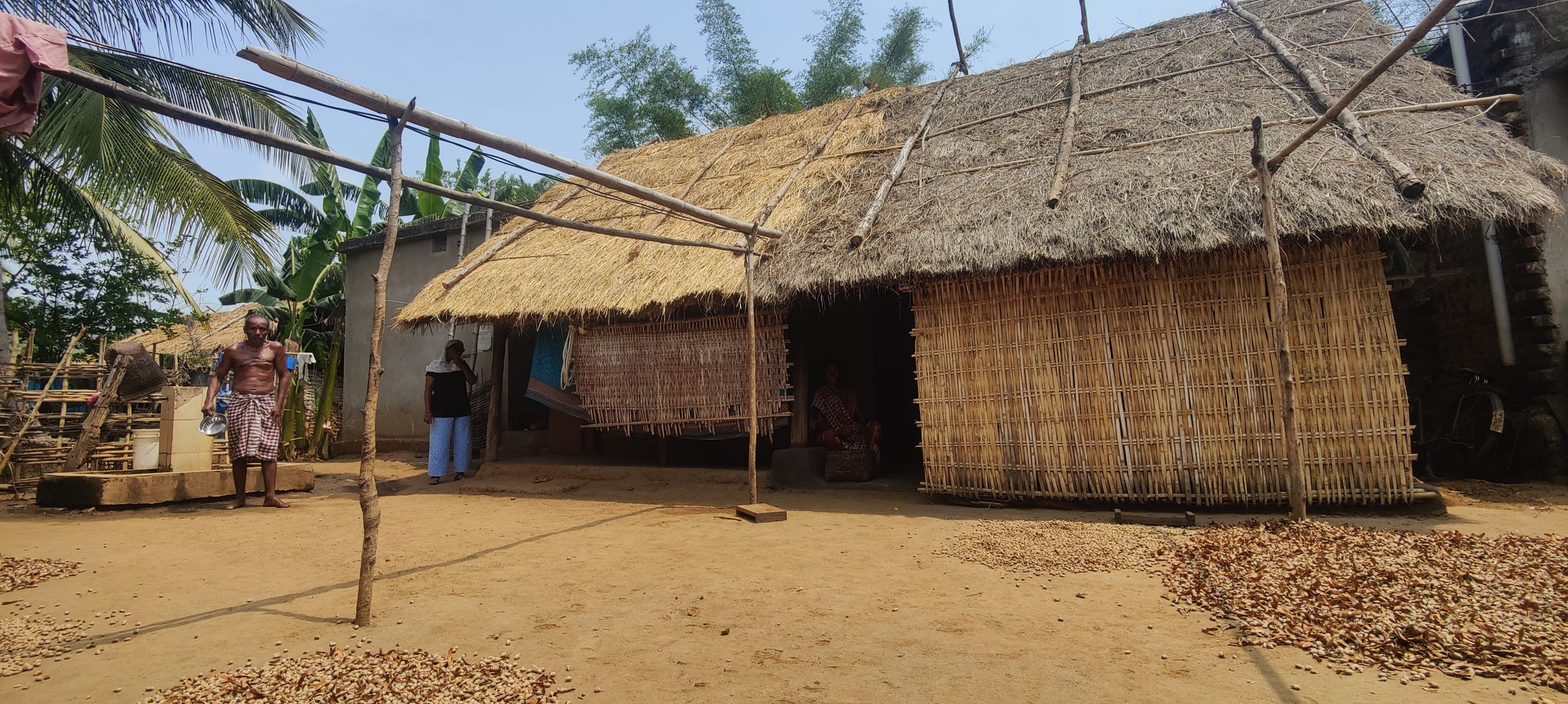
A traditional tribal house that naturally reduces ambient heat
Temperature contrast— The very first observation the moment I walked into the village was the temperature contrast. While it was 45°C in Dasapalla town, it felt much cooler in the village. Why? The answer surrounded us and only required a bit of observation: there were no concrete buildings and very little to zero electricity. Instead, the houses were made of mud and clay, with traditional wooden roofs lined with sal leaves. This lack of concrete, combined with an abundance of massive neem, mango, and sal trees, naturally reduces the temperature. It truly feels like stepping into a living, breathing air conditioner.
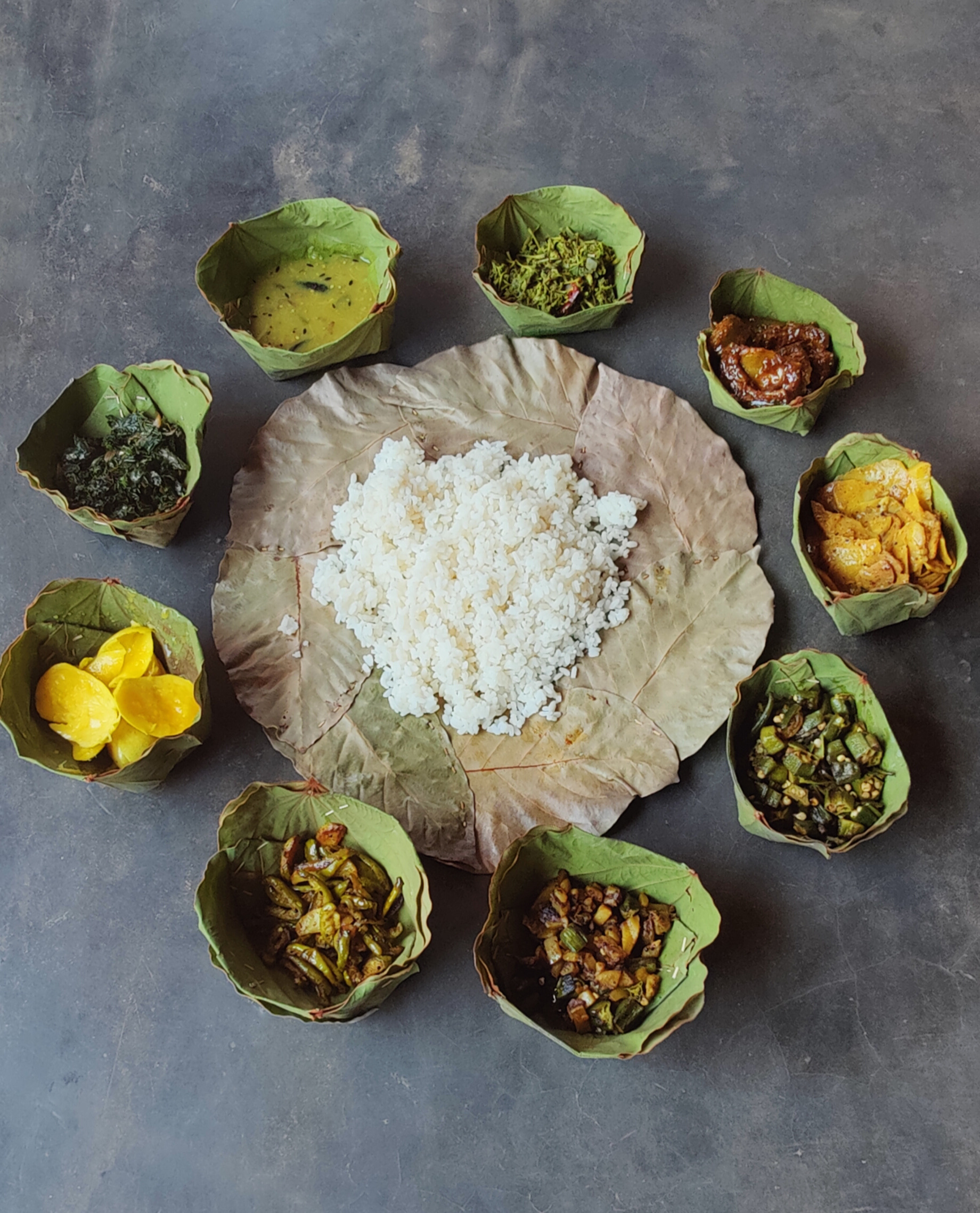
Nutritious multi-vitamin Tribal Lunch
Health & Hospitality— Warmth and Hospitality is woven into the very fabric of tribal life; you simply cannot remain hungry among them. To offer a guest a home-cooked meal is their most natural way of showing deep love and respect. We were treated with a wholesome, incredibly nourishing platter of wild rice and fresh forest vegetables, showcasing the rich, natural flavors of their land. Because these ingredients grow naturally without chemicals, they retain a dense concentration of micronutrients. Every bite of wild rice delivers essential B-vitamins, zinc, and magnesium, while the uncultivated greens provide a potent shot of multi-vitamins and antioxidants.
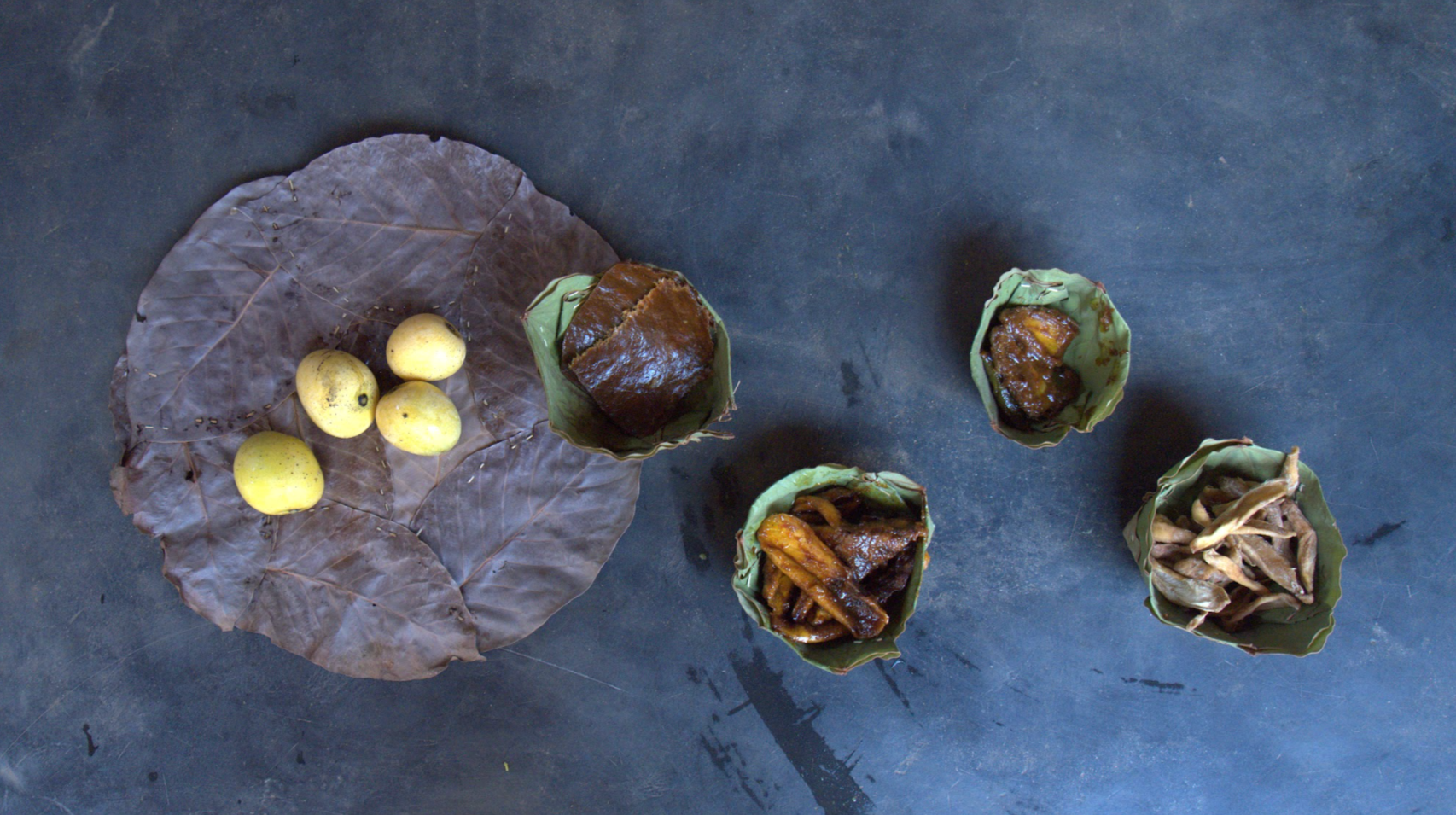
Culinary Innovation using Mango
That wasn’t all; we were treated to dessert as well. 4 distinct items were made entirely from mango, an exemplary display of culinary innovation that impressed me the most. Evidently, this meal complemented with relentless hard work from sunset to sunrise explained why every adult was muscular and obesity was entirely nonexistent.
What happens when Innovation meets a Community?

Biswajit, our field mobilizer, introducing the drone to the community
Another fascinating observation occurred in Sundartaila, where we launched our drone to capture an aerial imagery of the village’s traditional housing. A tribal couple interacting with us suddenly began murmuring anxiously in their local dialect. Through our field staff, we learned that they were terrified of the flying device, which they had never seen before. Technology of this scale had simply never reached such a remote corner of the world. We quickly brought the drone down to show them how it worked, letting them inspect it up close. In that moment, a cutting edge technology met a humble traditional household, bridging the gap between two worlds and replacing fear with understanding.
This encounter left us with a profound realization: we in the modern world rarely consider that the staggering pace of innovation is not just a challenge for working professionals trying to keep up, it risks leaving entire communities completely behind!
That’s all for this blog! To see these moments come to life, please take a look at our five-minute short film. I invite you to watch, immerse yourself, and celebrate the beautiful tribal heritage of Odisha. The link to the film is here 🙂
Posted By Saurabh Bhoyar
Posted Jun 18th, 2026