
Malaria does not just attack the body; it steals the future, one empty desk at a time, serving as one of the most stubborn barriers to educational equity across Gulu City, neighboring areas, and the North at large. Epidemiological and field data consistently show that malaria is a leading cause of morbidity and the principal driver of preventable school absenteeism across Northern Uganda. Repeated infections rob children of crucial instructional hours, lower academic performance, and disproportionately impact vulnerable learners who lack consistent access to rapid diagnosis and clinical support.
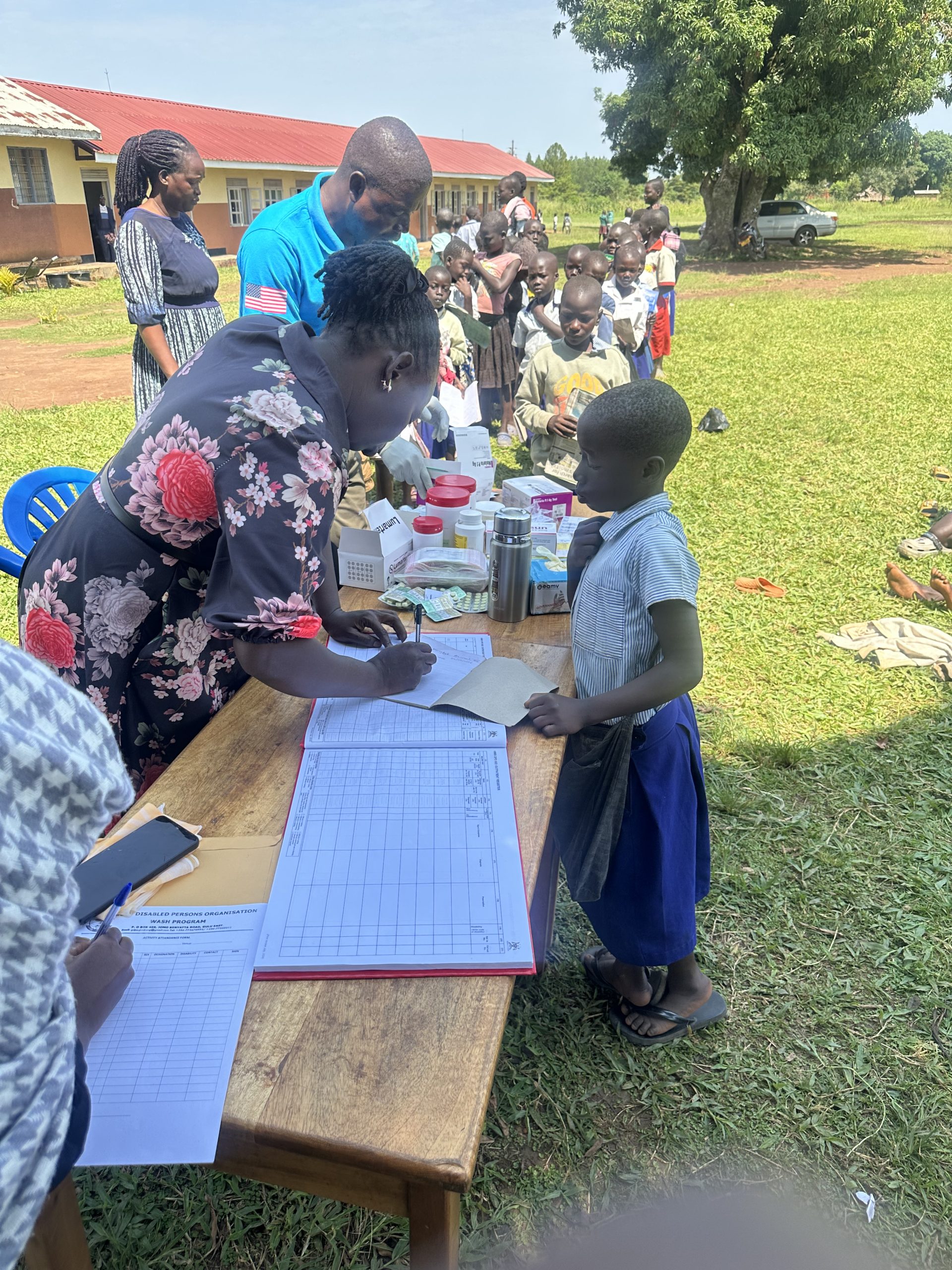
Children of Tochi Primary School Lines Up to be Tested For Malaria after the Training.
With rising absenteeism and academic disruptions threatening student retention, the need for direct intervention became urgent. To address this, the GDPU WASH Program teamed up with a medical team from Abwoch Health Center on Wednesday, 22 June 2026. Led by Sister Susan and Dr. Steven, the multidisciplinary team arrived at Tochi Primary School to execute a high-impact outreach that bridged classroom learning with urgent clinical intervention, ensuring that all learners were fully included in every step of the process.
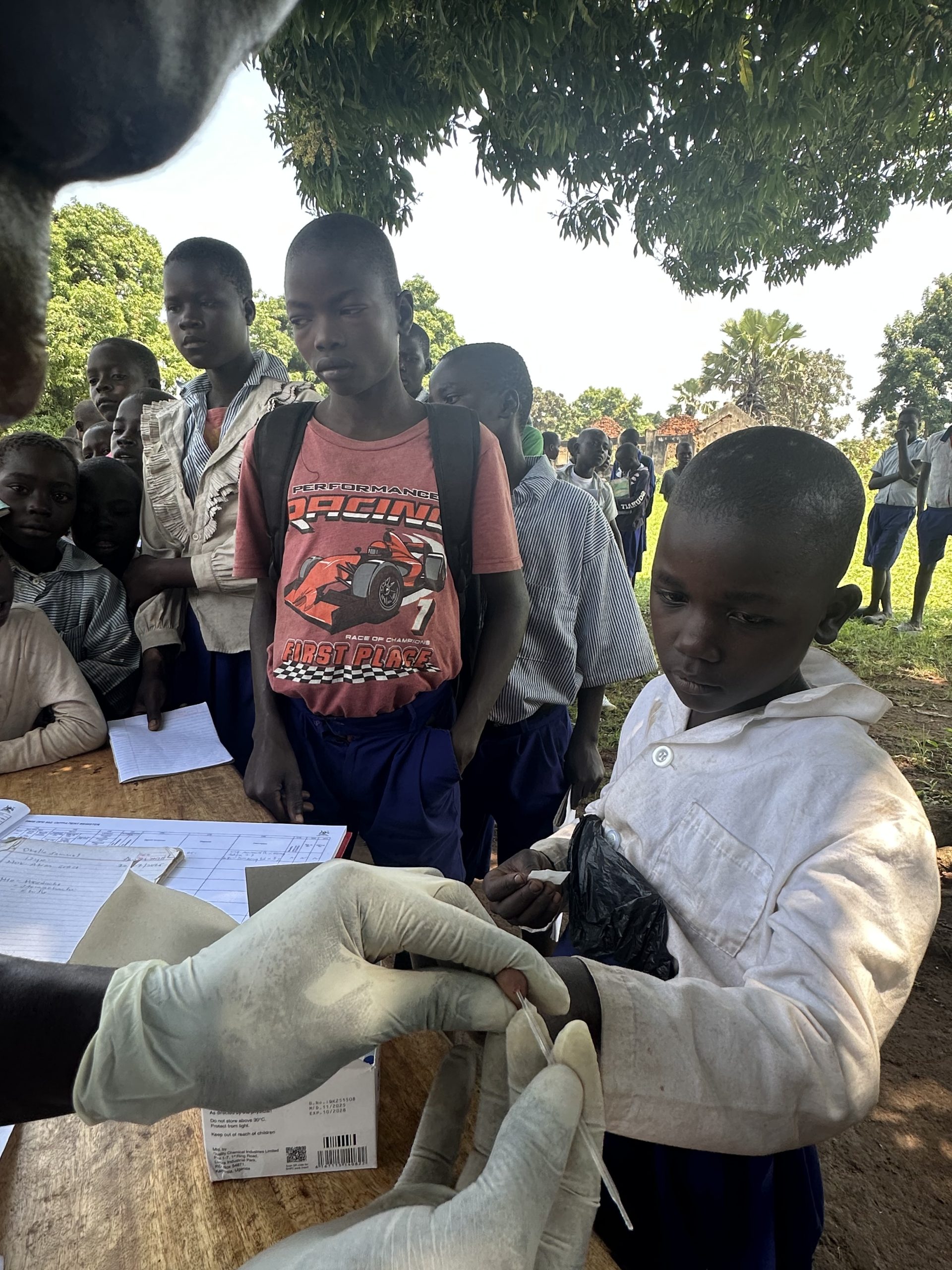
Solomon gives his blood sample for Malaria Test, His Results Turned Out Positive.
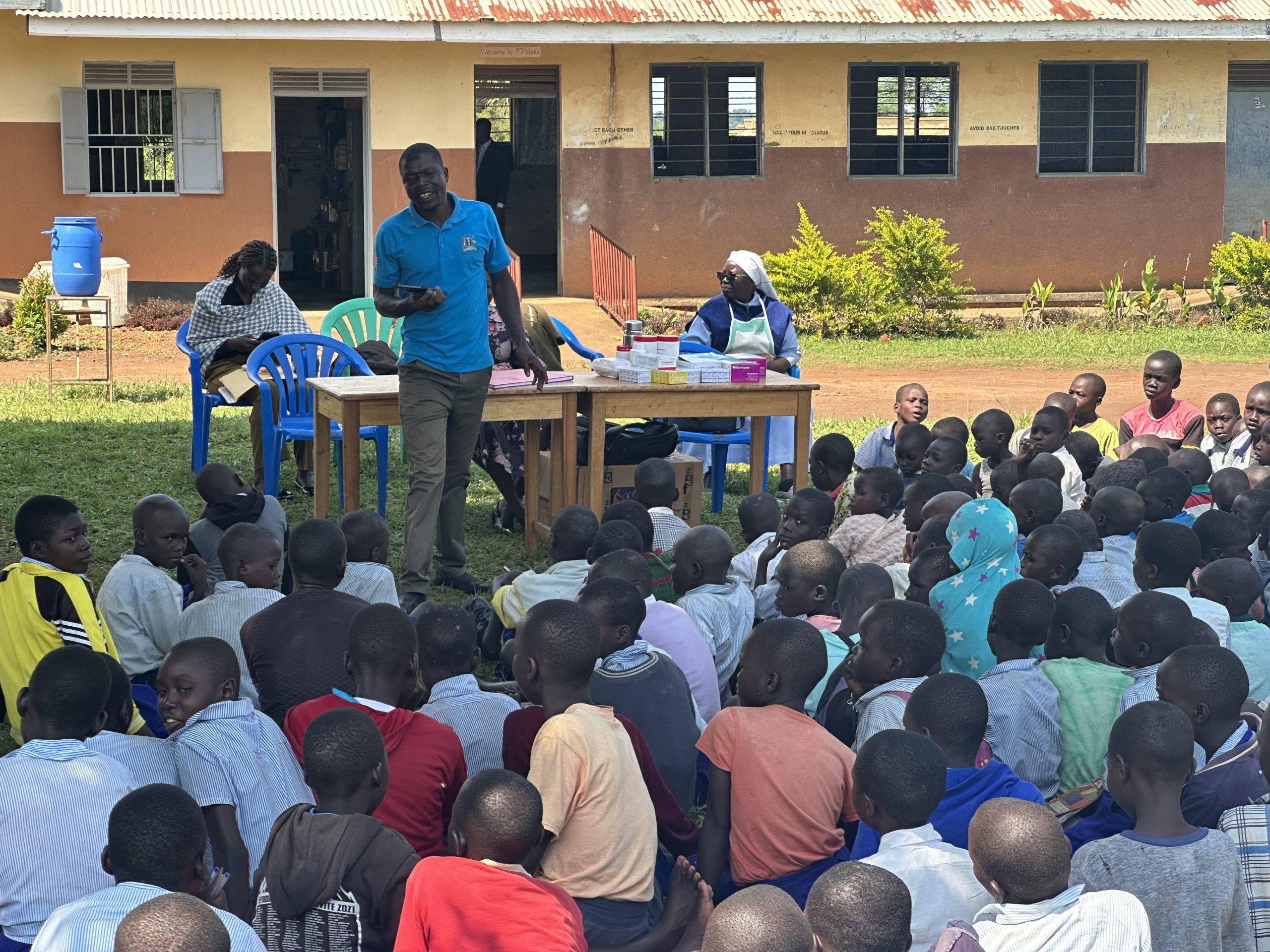
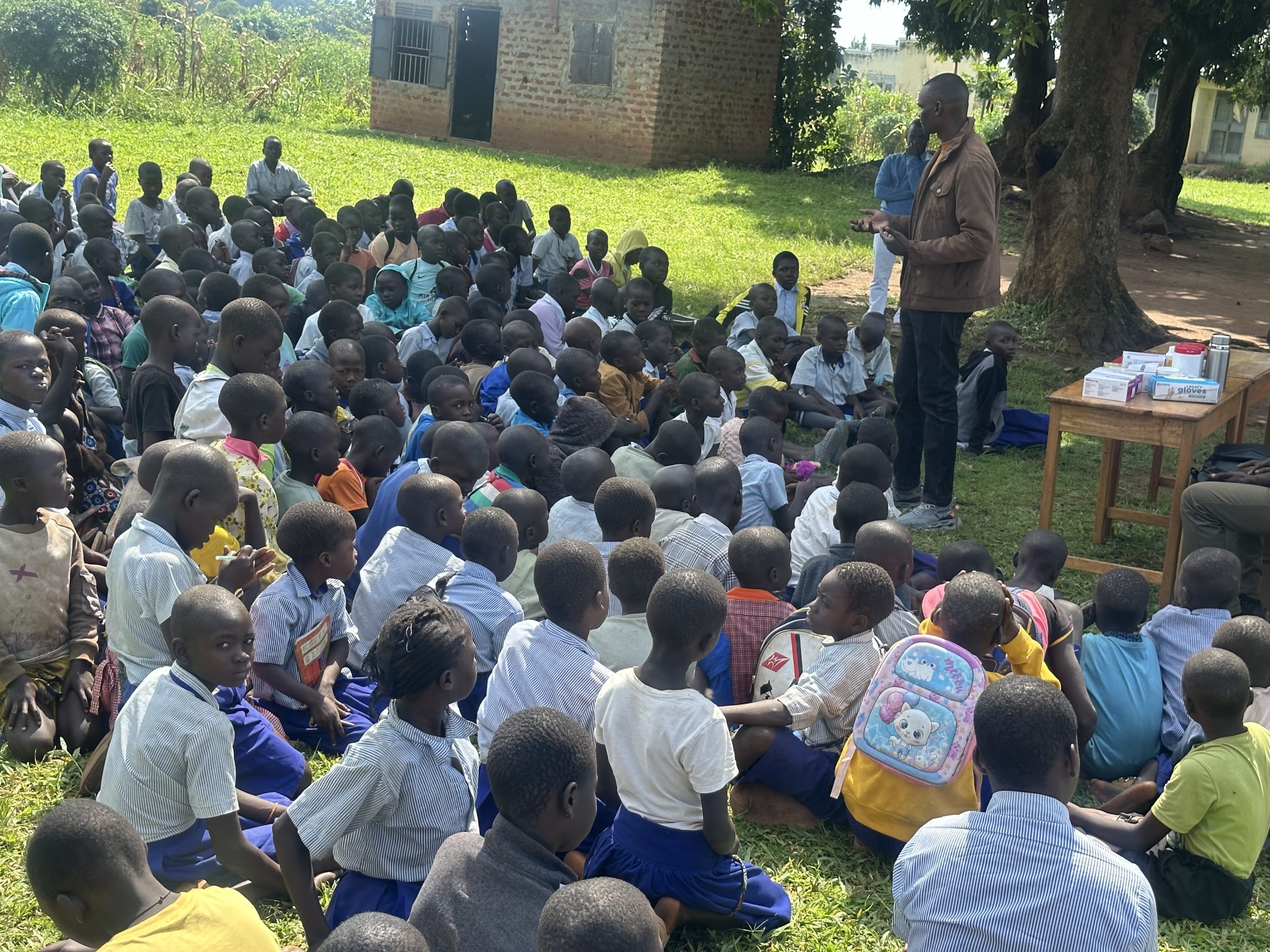
Dr. Steven transformed standard health education into an engaging dialogue, breaking down the pathology of the female Anopheles mosquito, the critical stages of infection, and prevention strategies like insecticide-treated nets and environmental hygiene. However, the session took an eye-opening turn when facilitators asked about the government health program of mosquitos’ net distribution. Breaking into a lighthearted laugh that masked a heavy community reality, 16-year-old Lamunu Maggie spoke up for her peers, exclaiming, “Our parents sold them!” and adding that community members were frequently repurposing the life-saving nets to catch white ants. Health workers swiftly stepped in to re-anchor the conversation, explaining that the microscopic cost of a short-term sale or misuse pales infinitely against the devastating physical and toll of severe malaria.
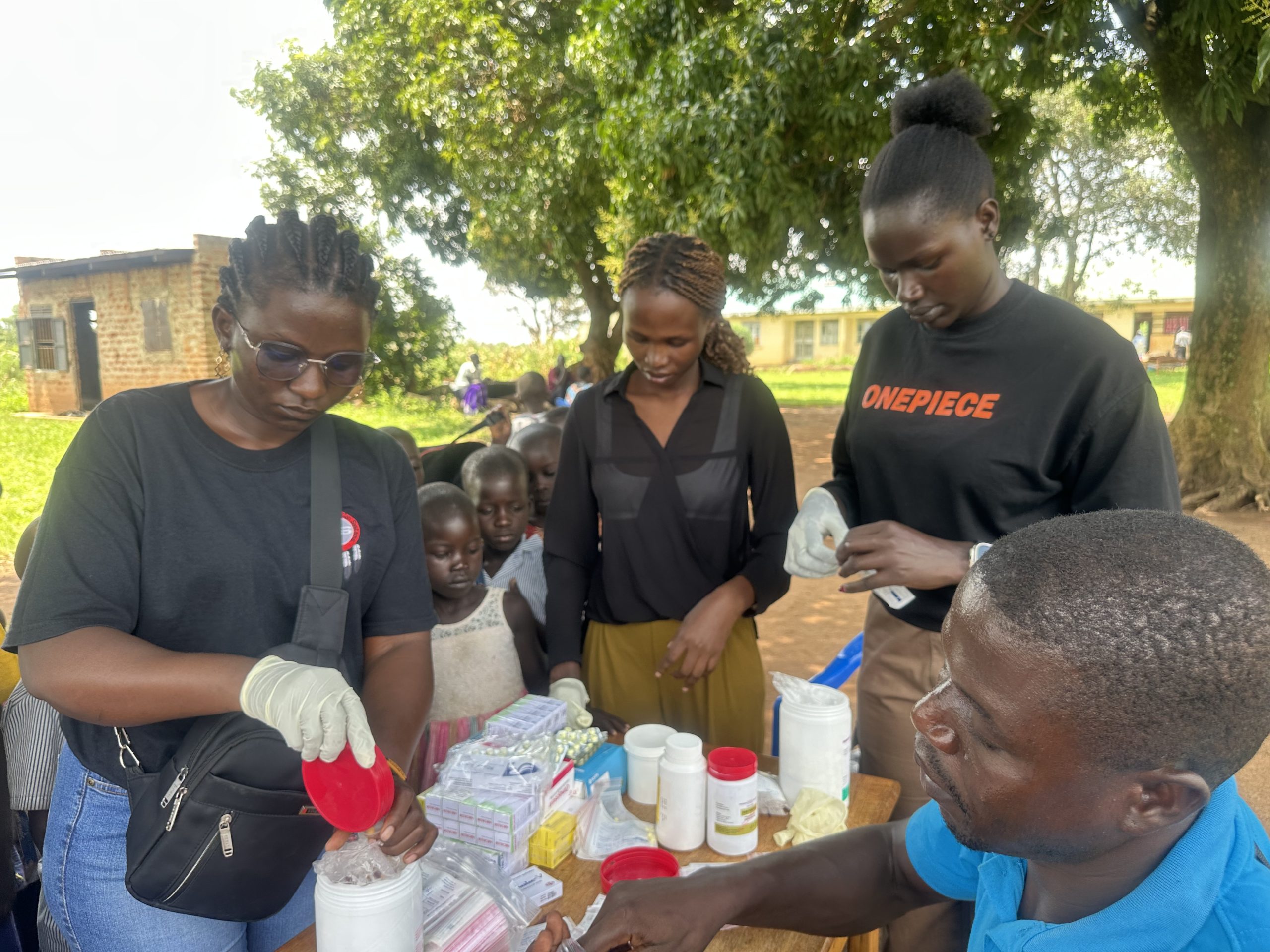
Children with Positive Test Results Gets Treatment From The Medical Team
Following the educational workshop, pupils exhibiting suspected malaria symptoms formed an orderly queue for clinical testing. The Abwoch medical team executed rigorous screenings, ultimately testing 312 children. The results revealed a staggering crisis: 65% of the tested pupils returned positive for malaria. In numbers this is over 202 futures of young dreams, this theoretical lessons of the morning transformed into a stark, living emergency the moment the formal session ended when Lamunu Maggie and her brothers volunteered for testing and every single one of them tested positive.
Pupils Attend to Introductory Session to Fully Understand Malaria in Depth.
Medical workers immediately stepped in to administer treatment using vital pharmaceutical supplies like Lumartem and Kam Amoxy alongside targeted counseling, while Dr. Susan briefed the school on routine infant malaria vaccinations. However, the sheer scale of infection quickly overwhelmed available resources. There was not enough medicine to treat every infected child, forcing the team to make difficult frontline decisions to treat only those presenting with severe symptoms.
This frontline reality exposes an undeniable truth: education and passion alone cannot cure a disease starved of resources. The immense turnout at Tochi Primary School strained available provisions, highlighting severe operational bottlenecks including limited baseline awareness, crushing time constraints, and critically inadequate medical supplies. Sustaining these life-saving interventions requires robust, immediate financial and material partnership because advocacy cannot replace empty clinic shelves or protect vulnerable children from systemic health vulnerabilities.
The WASH Programs Manager Welcomes and Explains the This Training to the Learners
The outreach at Tochi Primary School proved that when inclusive community mobilization meets direct medical access, young lives can be pulled back from the brink of crisis and empowered to act as health ambassadors for their families. Yet, as the medical logs are closed and the team prepares for the journey back, an unsettling shadow lingers over the schoolyard. When the next heavy rains fall, breeding millions of silent vectors in the tall grass outside, will the pharmacy shelves at Abwoch Health Center stand fully armed, or will Lamunu Maggie and her classmates be left to fight the nights alone?
Posted By OKWIR JOSEPH JOHNS
Posted Aug 19th, 2026