

With the reopening of primary schools following the mid-term break, our monitoring team returned to the field to evaluate the seven beneficiary schools participating in our Water, Sanitation, and Hygiene (WASH) project. Returning to these campuses after an extended recess provides an unvarnished test of sustainability: it reveals precisely what happens to facility maintenance, hygiene practices, and institutional discipline when routine monitoring pauses. This latest cycle exposed a striking contrast between schools that have fully institutionalized local ownership and those where operational momentum stalls without continuous adult oversight.
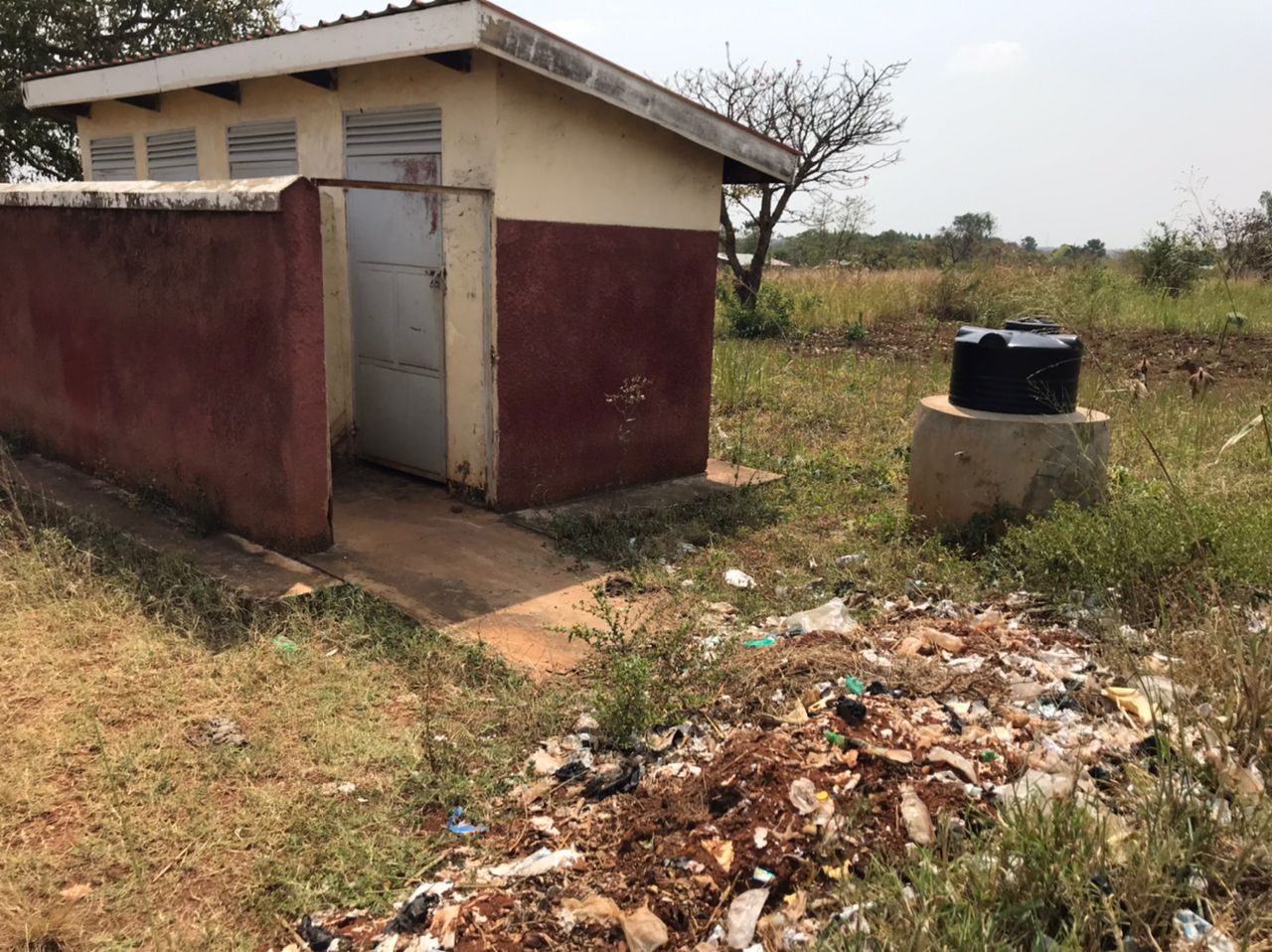
Built to serve, but left to decay. Infrastructure without ongoing maintenance and community stewardship quickly turns from a place of dignity into abandoned waste.
At the forefront of our success stands the establishment of student-led School Health Clubs, which have transformed daily sanitation across the majority of our partner institutions. Far exceeding initial expectations, these dedicated teams of learners have taken full command of their school environments, enforcing rigid rosters for daily classroom cleaning and latrine sanitation while ensuring handwashing stations are consistently filled with clean water and liquid soap. At Tochi Primary School, Head Teacher Sister Lucy Grace Latim confirmed that the School Health Club has become the highest-performing society on campus, proving that civic leadership and academic excellence go hand in hand, with many of the top academic achievers emerging directly from the club’s ranks.
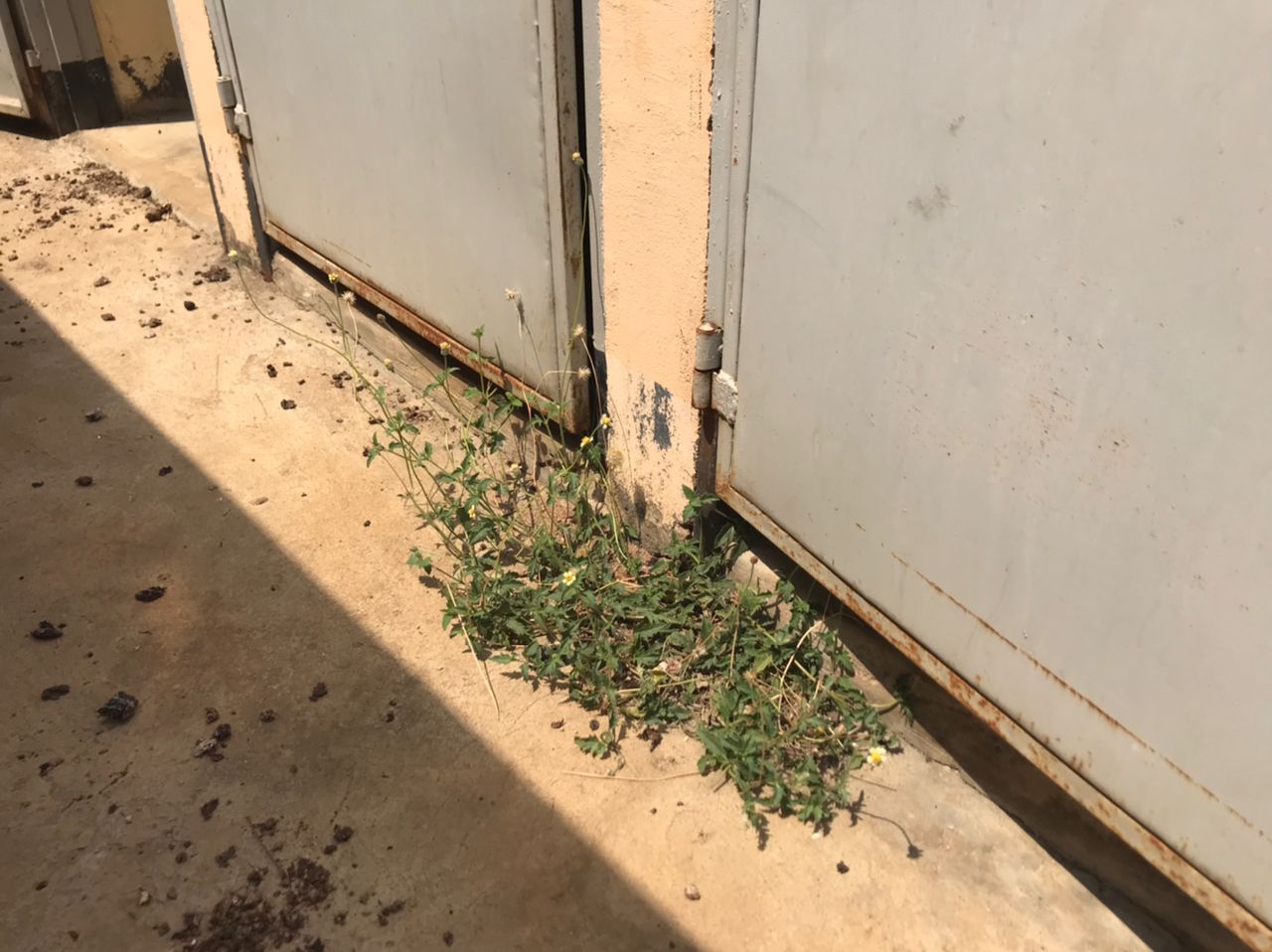
Infrequent use and broken maintenance systems leave essential facilities abandoned.
Complementing student leadership, community-driven governance has proven equally crucial in safeguarding long-term project infrastructure. Demonstrating the tangible impact of our sustainability frameworks, Awach Central Primary School collaborated with its School Management Committee (SMC) to mobilize internal funds, successfully financing critical repairs to their damaged water tanks and latrine doors. Similarly, at Panykworo Primary School, institutional initiative took center stage as the Deputy Head Teacher and Senior Woman Teacher organized peer-to-peer training sessions to transfer menstrual health management and pad-making skills to female learners who had missed earlier workshops organized in partnership with Her Worth Foundation.
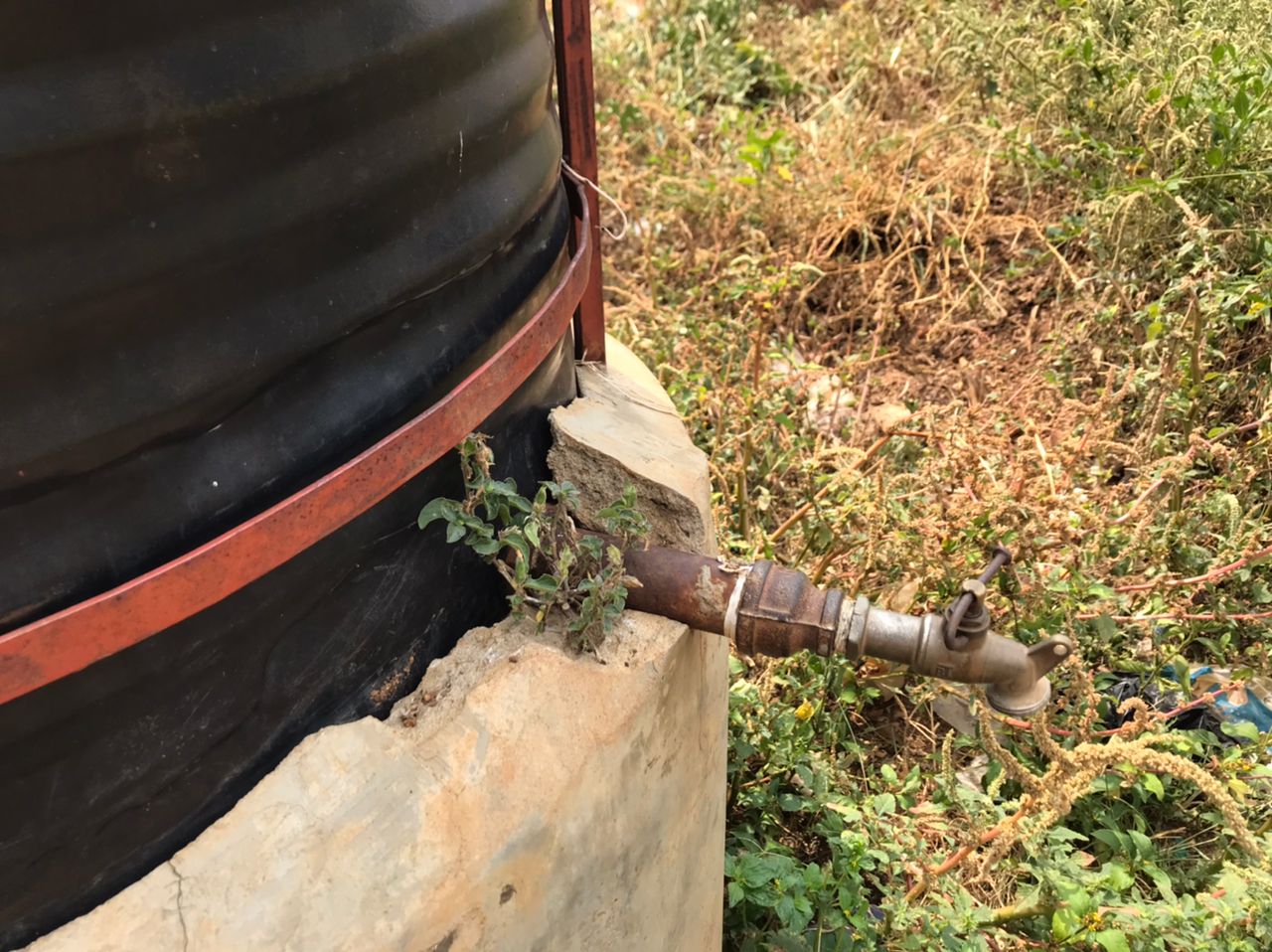
Dry taps and broken masonry. When maintenance is neglected, weeds grow directly out of the pipes.
Conversely, field observations at Ogul Primary School presented a stark reminder of how fragile hygiene achievements remain without persistent institutional backing. Lacking a designated teacher patron to guide and mentor the School Health Club, student leaders at Ogul experienced a decline in motivation, causing daily environmental health standards to collapse. During our visit, latrines showed severe neglect, classrooms were cleaned only once a week, and handwashing points were completely devoid of soap, demonstrating that physical infrastructure alone cannot maintain public health standards without active, structured oversight.
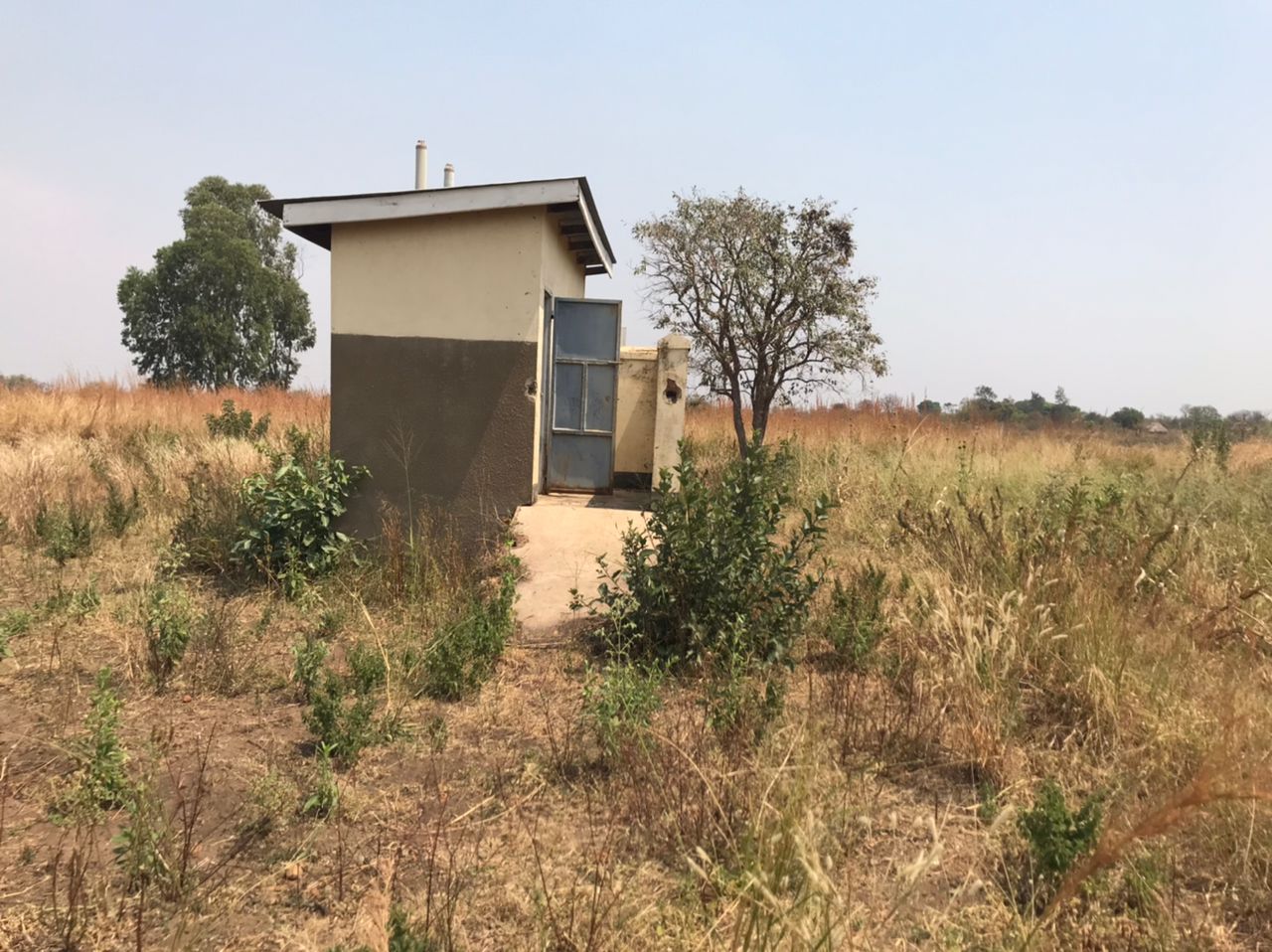
Standing isolated in an overgrown field, an abandoned latrine block becomes a symbol of structural neglect.
These field findings reinforce our core strategy: hardware investment must always be matched by institutional accountability and active local stewardship. As we move forward into the remainder of the academic term, our team is directly engaging school management at Ogul Primary to appoint a dedicated teacher patron, while simultaneously facilitating peer-learning exchanges between student leaders across all seven partner schools. By pairing rigorous monitoring with adaptive mentorship, we continue to ensure that every facility provided translates into a permanent, self-sustaining standard of health and dignity for every learner.
Posted By OKWIR JOSEPH JOHNS
Posted Oct 24th, 2026