

Leveraging the trust and groundwork established through our successful WASH initiatives, we continued our malaria prevention and treatment training program in Awach Central and Panykworo, underscoring our commitment to holistic community well-being. This integrated approach empowers residents, educators, and students with the knowledge to combat malaria through early testing, timely treatment, and constant prevention. In Northern Uganda, malaria prevalence can soar to 70% in some districts, this explains why we have extended our efforts to address a disease that accounts for up to 50% of outpatient visits and disproportionately affects vulnerable children under five. By focusing on prevention and early detection, this program tackles both the health crisis and its severe socioeconomic impact, This model helps learners maintain consistent attendance and focus in the classroom, preventing the academic setbacks that arise when illness causes learning loss. Ultimately, it’s a powerful strategy for building a resilient community where children can reach their full educational potential.
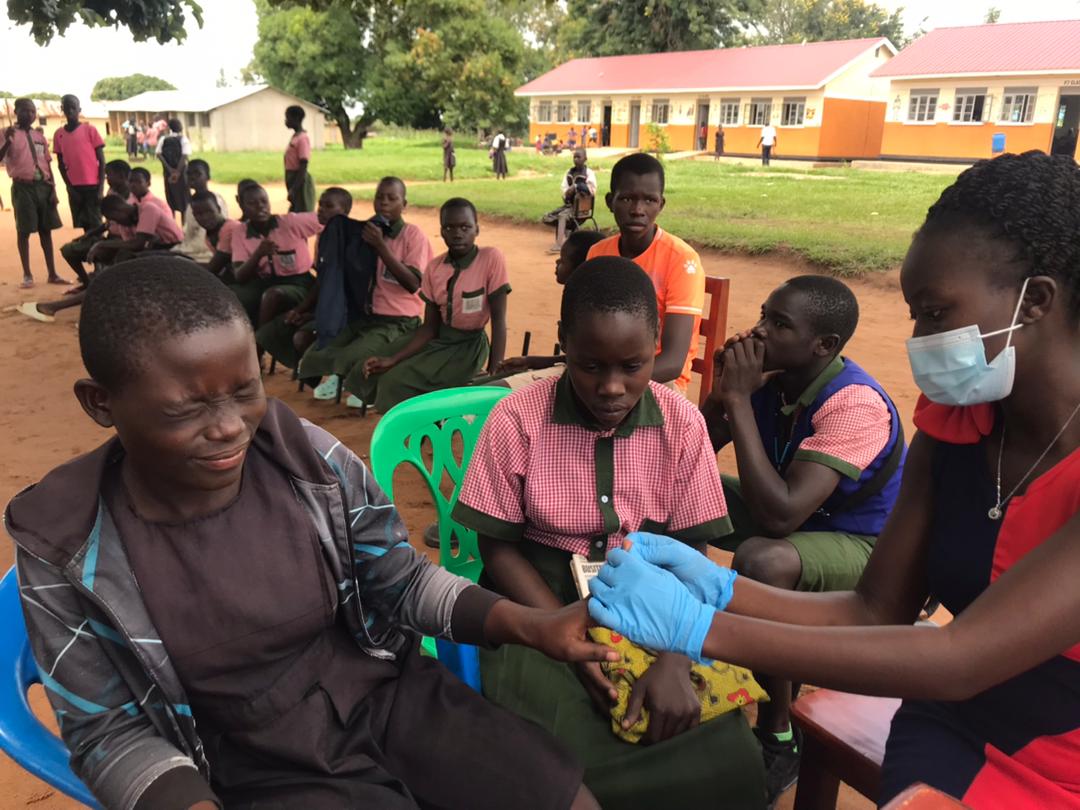
Learner of Awach Central Patiently Waits In Line To Be Tested For Malaria As Nancy Ajok Takes the RDT, A Result That Turned Positive.
The training at Awach Central Primary School provided a comprehensive understanding of malaria, its symptoms, and the urgency of early treatment.it directly addressed the dangerous practice of self-medication, a misconception highlighted by Lakareber Rosemary, a nine-year-old pupil’s response that she takes medicine “to try if it works.” This chilling insight reveals a profound educational gap among the most vulnerable population. We therefore, focused on environmental prevention, teaching participants how to eliminate mosquito breeding sites. The case of 16-year-old Aber Cyndi, who has been treated for malaria seven(07) times in the past one year, she lacks a mosquito net, further illustrated the tangible barriers to prevention. The alarming 53% malaria positivity rate among the 100 students tested post-training in Awach central underscored the critical need for continued and targeted interventions.

Cyndi Aber, Happily Smiles to the News That She Will Alongside Lakareber Rosemary Receive a Treated Mosquitos Net
At Panykworo Primary School, our training reinforced the importance of early testing, timely treatment, and constant prevention. We educated the community on the severe impact of untreated malaria and emphasized that a prompt response is essential for survival. The session also included crucial information about the new malaria vaccine, a vital tool for children aged 6 months to 6 years, and provided clear guidance on where to access medical care. We equipped students and staff with best practices for both personal and home-based prevention, cultivating a culture of vigilance against the disease.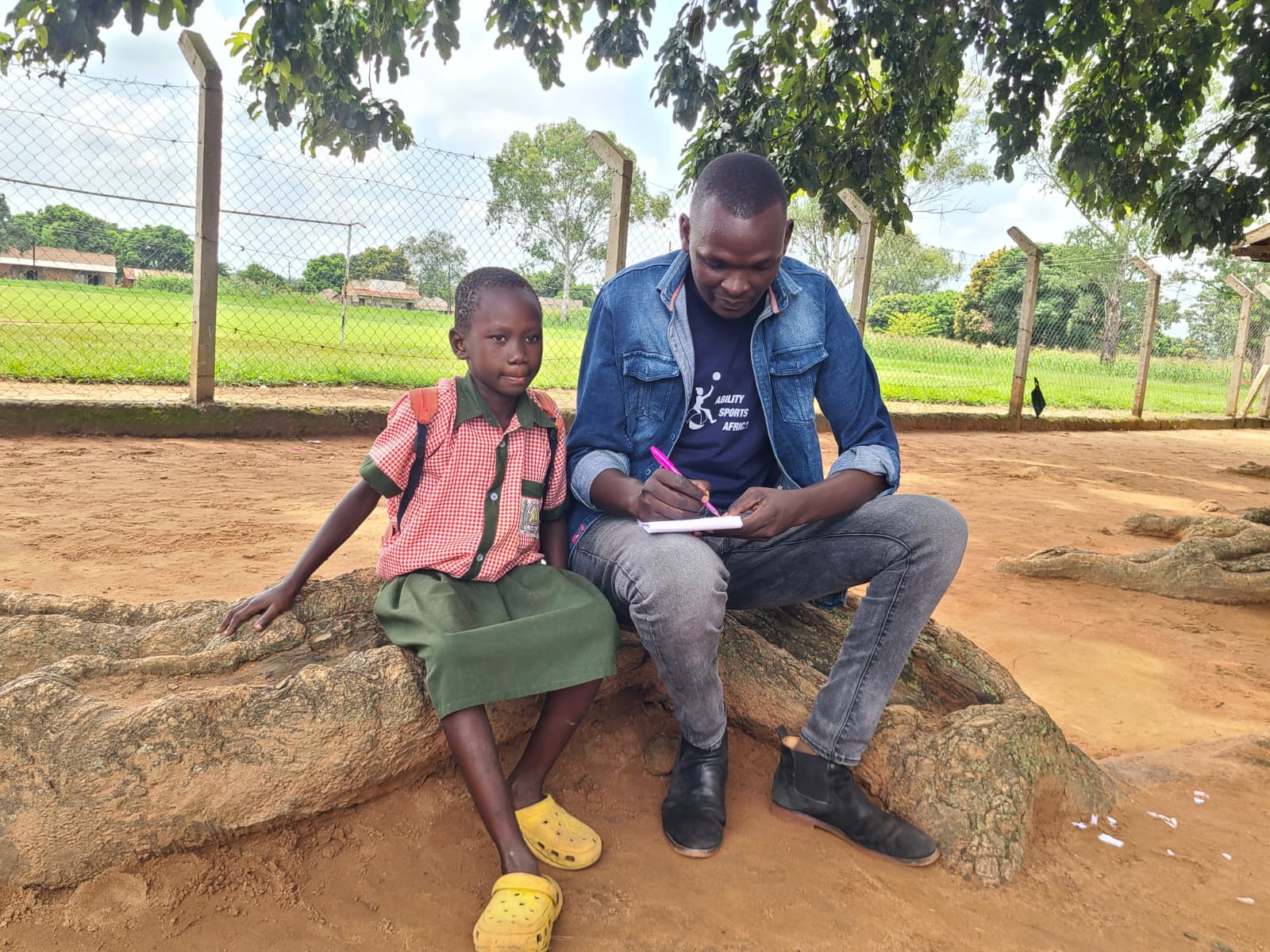
Meet Lakareber Rosemary, The Nine Year Old Girl Child Who Boldly Said She Self Medicate To “Check If The Drug Works”
Anena Polyn, a dedicated school medical assistant at Panykworo, exemplifies the human impact of our work. Working from a school infirmary constructed by Hope Is Education, Polyn’s passion extends beyond her office walls. We found her in the classrooms, proactively identifying sick children and ensuring those on medication adhered to their treatment plans. Her philosophy—“early test, timely treatment, and constant prevention measures is the best strategy“—is the driving force behind her unwavering commitment. Polyn powerfully stated that malaria prevention is a culture that must start at home, with parents as key partners in the fight. Her dedication highlights a fundamental truth: while our infrastructure provides the tools, it is the tireless efforts of individuals like Polyn that truly transform a community’s health outcomes. The question remains: how many other children, despite our best efforts, are still being left behind without a safe place to sleep?

A Water Log in The School Environment Providing A Breeding Ground For Mosquitoes
The stories of Lakareber Rosemary, Aber Cyndi, and the extraordinary dedication of Polyn remind us that the fight against malaria is not just about statistics; it is about real lives, vulnerable children, and the passionate individuals who stand on the front lines. Our integrated WASH and health initiatives have made a tangible impact, yet the alarming 53% positivity rate in Awach Central and the daily struggles of a girl like Aber without a proper mosquito net are a stark reminder of how far we still have to go. While our efforts have provided tools and knowledge, the true battle against malaria will only be won when prevention becomes a culture in every home. The question is, are we prepared to take the next step to ensure every child is protected?
Posted By OKWIR JOSEPH JOHNS
Posted Aug 11th, 2025
1 Comment
Iain Guest
October 15, 2025
Excellent blog, Joe – although it’s also very alarming that over half the students at Awach central tested positive for malaria. This underscores how important GDPO trainings are in testing and also treating students. Anina Polyn, the health assistant at Panykworo, is a real star! Finally Your blog shows a lot of knowledge and growing expertise. It’s also very well written – and the photos are great! Great work!