

The deplorable condition of school latrines in rural North is a severe and dignity-robbing crisis, driven by decades of conflict and critical under-investment, standing as one of the most significant barriers to education. Far exceeding the 1:40 national standard, schools often operate under catastrophic circumstances, with ratios soaring past 1:100.
This untenable pressure immediately renders traditional pit latrines unusable, leading to collapsing structures, broken roofs, and an absolute lack of privacy like working doors. Fundamentally, this environment is profoundly unhygienic, unsafe, and violates the basic rights of a child, demanding immediate intervention not just to fix infrastructure, but to restore the right to a safe, dignified, and accessible education for every child.
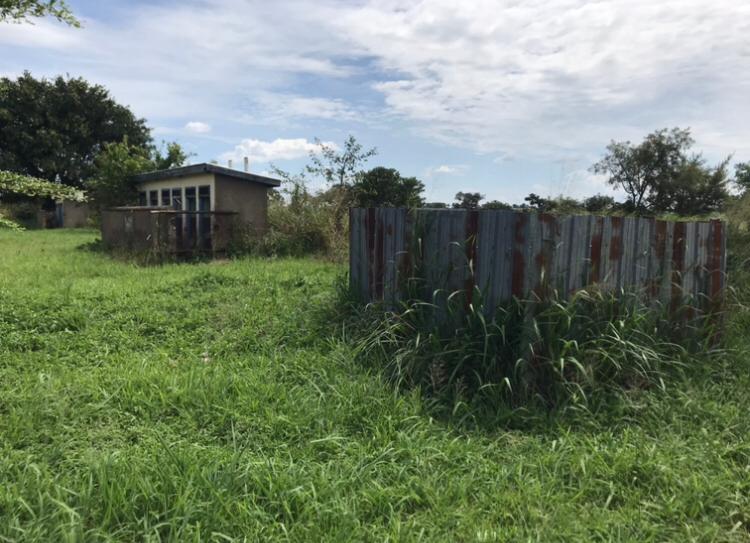
A Poorly maintained and Bushy WASH Facility in Kulu Opal Primary School.
Once girls reach puberty, the injustice intensifies: latrines are rarely separate, lack essential lockable doors, and are utterly devoid of necessities like water, soap, or dedicated Menstrual Hygiene Management (MHM) changing rooms. Girls are therefore forced to choose between dignity and education, facing fear of shame and severe infection risks. They are structurally compelled into periodic and sustained absenteeism, an injustice that powerfully explains the poor academic performance and high dropout rates among girls in the north.

Rusted and Neglected, A Functional Latrine Stance in Awach Central Primary School.
The direct and devastating consequence of this crisis is a staggering academic disadvantage that fundamentally undermines the goal of universal education. The lack of dignified latrines forces girls to miss an estimated three to five days of school every single month, an absence that quickly accumulates into weeks of lost instructional time over a school year.
This is not merely a hygiene problem; it is a primary driver of gender inequity, making it incredibly difficult for girls to keep pace with their peers. We must urgently dismantle this structural barrier, as securing safe sanitation is the most direct and powerful way to ensure girls remain in the classroom to realize their fundamental right to a complete and equitable education.
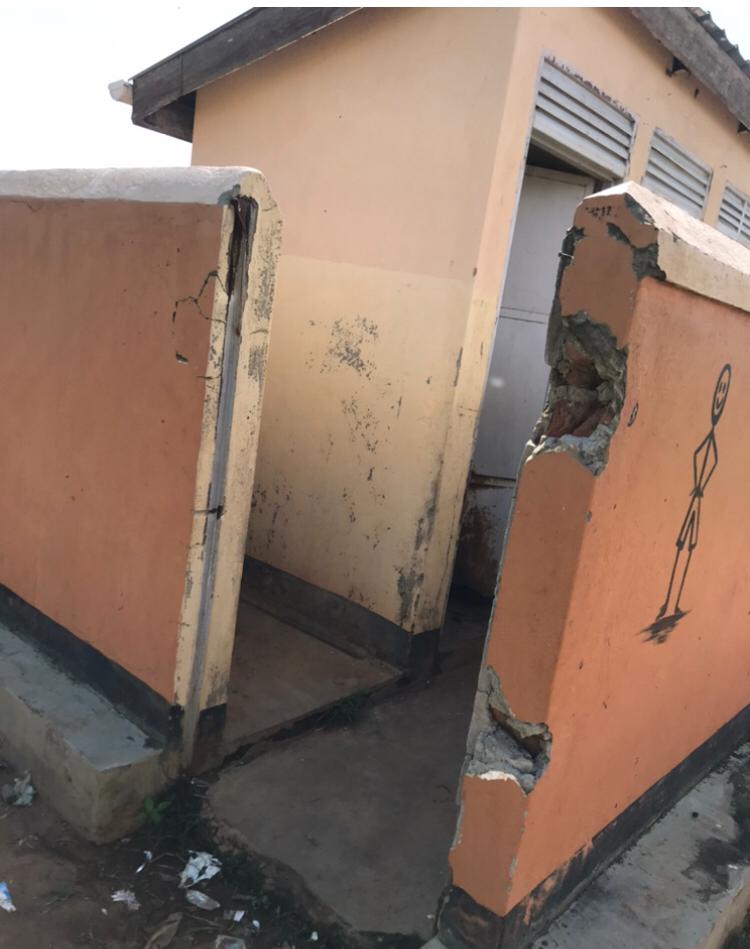
Broken Latrine Doors are no Longer Important Issues To Many Schools.
Beyond the profound academic impact, poor school sanitation creates severe public health risks for the entire school population. Dilapidated, unsanitary latrines become immediate breeding grounds for disease-causing pathogens, and the lack of accessible water and soap for handwashing accelerates the transmission of waterborne diseases like cholera, typhoid, and diarrhea.
For girls, the risk of urinary tract infections (UTIs) is significantly heightened. Furthermore, the dark, secluded nature of many broken latrines blocks also exposes girls to increased security risks and harassment. We can no longer allow the simple act of using the toilet to be a source of anxiety and disease; the safety and health of our children depend on our swift response.
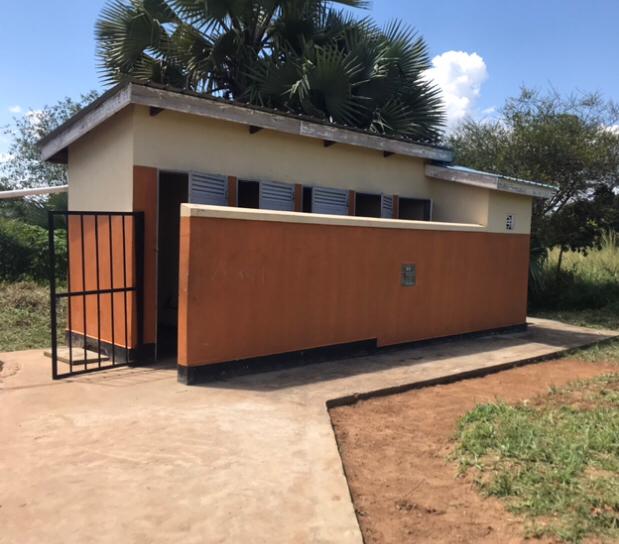
The Alternative is to Invested in Maintenance Just Like Awach Primary School Has Done.
Improving school sanitation stands as one of the most vital and cost-effective investments for securing both education and public health in Northern Uganda. This demands a comprehensive, gender-sensitive WASH strategy that goes far beyond simply digging new pits. We must deliver new latrine blocks with private, lockable stalls, dedicated MHM washrooms with running water, and safe disposal mechanisms.
By securing this hygienic and dignified environment, schools will drastically boost girls’ attendance and retention and improve overall student health. Our collective commitment is the key to ensuring the educational opportunities for Northern Uganda’s children are not flushed away by neglect, but firmly secured for their future… but the moment of truth is now: will we act before the next collapse?
Posted By OKWIR JOSEPH JOHNS
Posted Oct 27th, 2025
1 Comment
Iain Guest
November 12, 2025
Thanks for this very strong and well-written blog, Joe! You remind us all that old, dirty and unhygienic latrines are still a threat to the health and well-being of children in Gulu. I know GDPU has moved to monitoring WASH facilities this summer, but we cannot forget that many facilities need to be torn down and replaced, as you suggest. Keep up the great work!