

Good intentions alone are insufficient to solve the persistent problem of keeping girls enrolled in rural Ugandan schools; it requires precision. Gulu Disabled Persons Unions (GDPU) WASH program relies on a robust, data-driven strategy to move beyond simple charity toward measurable impact and strategic accountability. This approach is essential because it allows the program to overcome generic assumptions and identify the specific, nuanced barriers—such as the broken doors or inadequate MHM facilities, rather than just a deficit of toilet stalls. By using targeted data from facility audits and surveys, GDPU in partnership with the Advocacy Project ensures that resources are allocated to solve the real dignity gaps that deter girls’ attendance, making every intervention count.
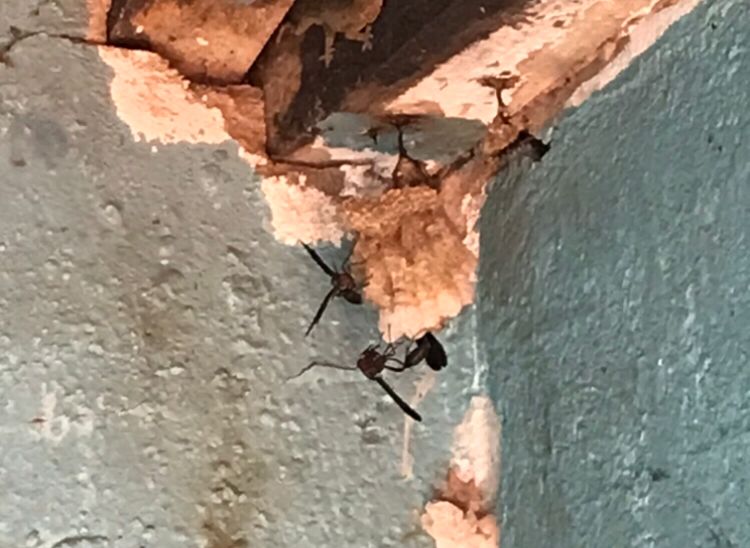
A Latrine in Ogul Primary School is Completely taken up by Wasps and the School has Abandoned It.
The “Data-First” approach drives efficiency and maximizes the utility of limited resources. Accurate monitoring data acts as a financial compass, ensuring every resource yield maximum returns, which is crucial for building trust with partners. For instance, facility audit data and student feedback guided by prioritizing the fixing of a broken borehole serving a large community over minor issues in less-used structures. Similarly, data dictates the frequency and intensity of checks and balances; high-risk schools receive more attention, optimizing staff time. This data-backed prioritization is the essence of responsible fiscal management and effective project execution for our WASH program a GDPU.

The cost of neglect: an unsafe WASH facility in Awach Central Primary School.
Furthermore, data collection ensures that training and resource distribution are perfectly customized. Data analysis informs the execution of Goal E (Provide hygiene training); if handwashing is high but safe water storage is low, training efforts are immediately shifted to address the greater vulnerability. This directly strengthens the program by focusing on comprehensive hygiene., data on school population and facility usage sets realistic targets, ensuring the highest-need schools are prioritized, transforming production from a simple output metric into a key performance indicator (KPI) for health.
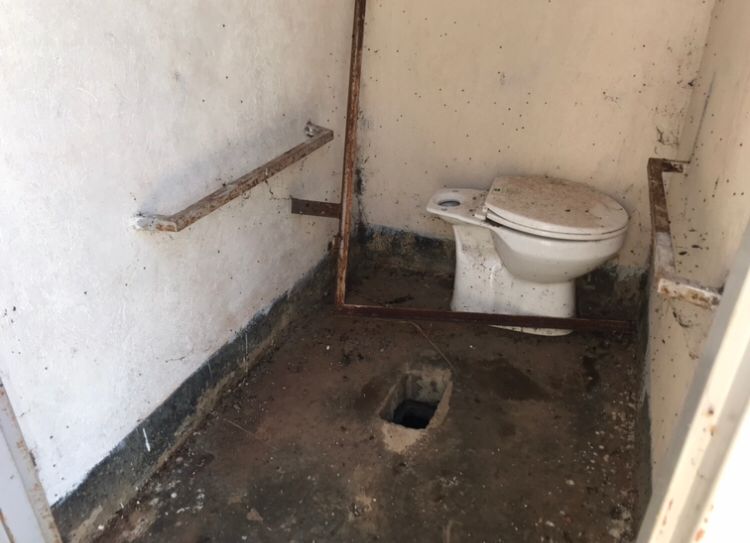
A stark example of what happens when monitoring becomes optional, A larine Designed for Children with Disability in Awach Central Primary School Completely Left to Fall Apart.
Crucially, data creates a dynamic feedback loop essential for long-term sustainability. When monitoring data reveals an unexpected surge in waterborne illness, it doesn’t just record a problem; it triggers an immediate investigation and in-flight course correction in facility maintenance. This agility is the hallmark of a resilient program. Moreover, the quantifiable results—improved attendance rates and reduced WASH-related diseases—form the most powerful evidence, resonating with funders and advocating for policy adoption.

Dirty and Stagnant water at the water point posses real danger for learners at Panykworo Primary School.
By embedding data into the very DNA of the GDPU WASH program, the organization ensures its interventions are not just performed, but are optimized, accountable, and profoundly impactful, truly empowering girls to stay in school and thrive. The data proves our value, guides our actions, and ultimately, dictates our success. But what happens when the data that promises success also reveals a deeper, more systemic challenge… a hurdle that requires not just better facilities, but a transformation of the entire community’s mindset? What happens when the greatest barrier to a girl’s education is not a broken tap, but an unseen bias captured in a single, chilling statistic?
Posted By OKWIR JOSEPH JOHNS
Posted Dec 6th, 2025