
In the marginalized, post-conflict districts of rural Northern Uganda, the educational institution should function as a vital anchor—a space where historical deprivations yield to the transformative potential of knowledge. Yet, a silent, pervasive crisis is fundamentally eroding this potential: the critical deficit in clean and safe water access within educational facilities. This challenge is not merely a technical infrastructural gap; it constitutes a profound social inequity that relentlessly dismantles the educational trajectory and lifelong health outcomes of the girl child. Each drop denied represents a breach of fundamental rights, and every kilometer walked translates into a quantifiable loss of instructional efficacy, setting the conditions for a persistent cycle of vulnerability that impedes the entire region’s socio-economic recovery.
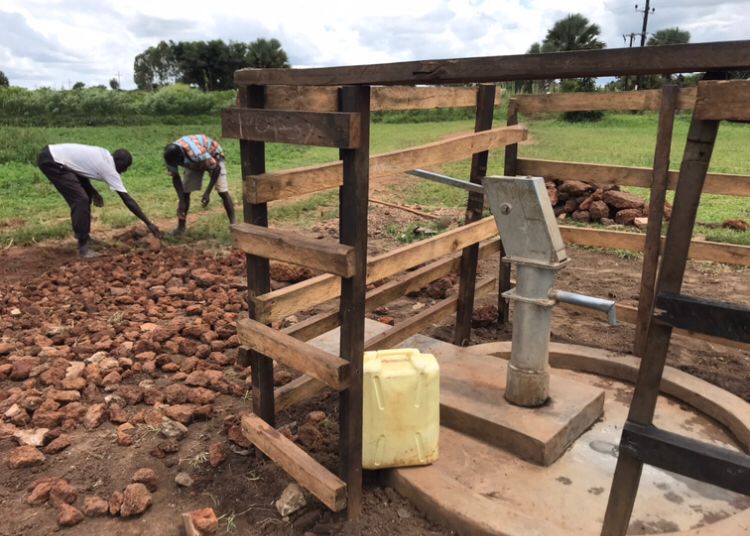
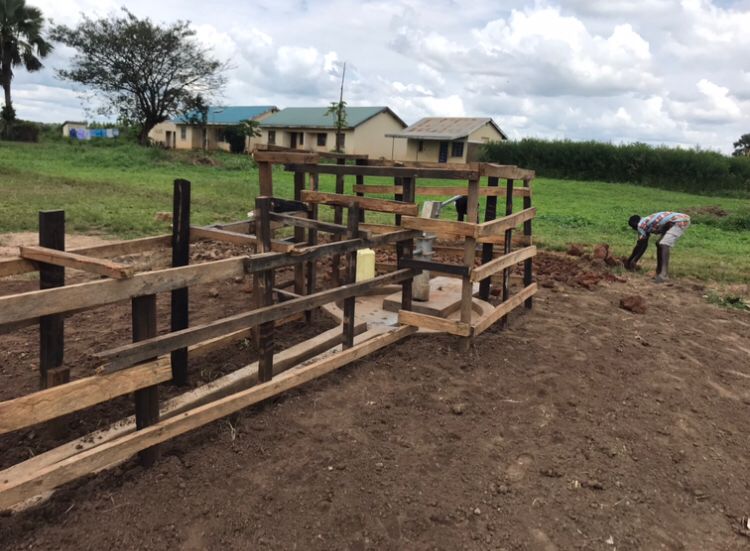
Securing the source. The community of Torchi Primary School working together to protect the community’s access to clean water.
The pervasive water scarcity has systematically distorted the lived experiences of female learners, converting their commitment to scholastic attainment into an arduous, gendered domestic obligation. The cultural designation of water procurement as a female chore forces the girl to negotiate a constant, zero-sum choice between academic dedication and household compliance. When institutional water points are non-functional or non-existent, this obligation escalates dramatically. Instead of engaging in curriculum delivery, she is committed to walking long, high-risk distances—often exceeding an hour in round-trip transit—to compromised, unprotected sources. This opportunity cost results in a critical loss of instructional learning hours daily, ensuring academic underperformance and systemic failure. Crucially, the absence of safe, private water for Menstrual Hygiene Management (MHM) precipitates a devastating “dignity gap,” compelling adolescent girls to accrue 4-5 days of absence monthly or withdraw permanently, a clear denial of their basic educational rights perpetuated by discomfort and infectious disease risk.
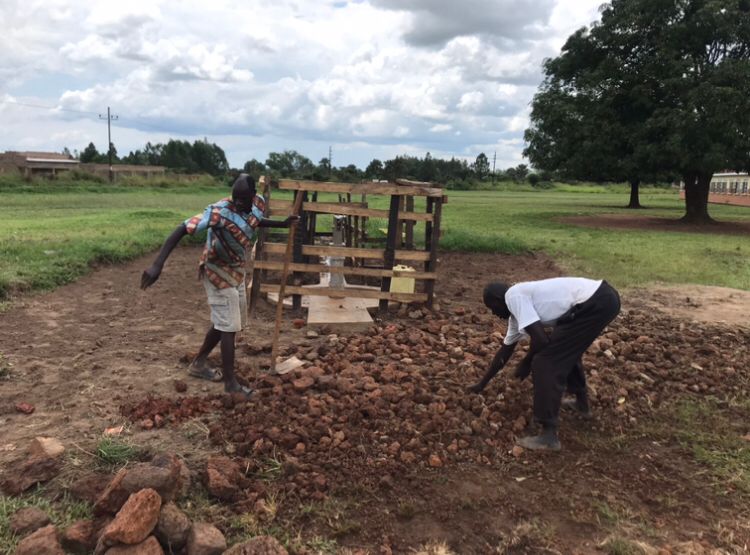
Establishing a structure around the new borehole/water point. Clean water access is key.
The consequences extend beyond academic attrition, inflicting severe, biological damage. Exposure to contaminated sources introduces high levels of morbidity through chronic waterborne diseases, including cholera, typhoid, and endemic diarrhea, which remains a primary driver of childhood mortality in Uganda. This debilitating illness, combined with the energy exhaustion from procurement tasks, critically compromises the learner’s concentration and mental bandwidth. Moreover, inadequate WASH parameters are causally linked to Environmental Enteric Dysfunction (EED) and subsequent stunting, which irreversibly impairs cognitive development. Consequently, we are not merely documenting compromised school attendance; we are actively undermining the fundamental biological capacity of the next generation of female leaders, preemptively capping their potential before they can contribute meaningfully to the regional economy.
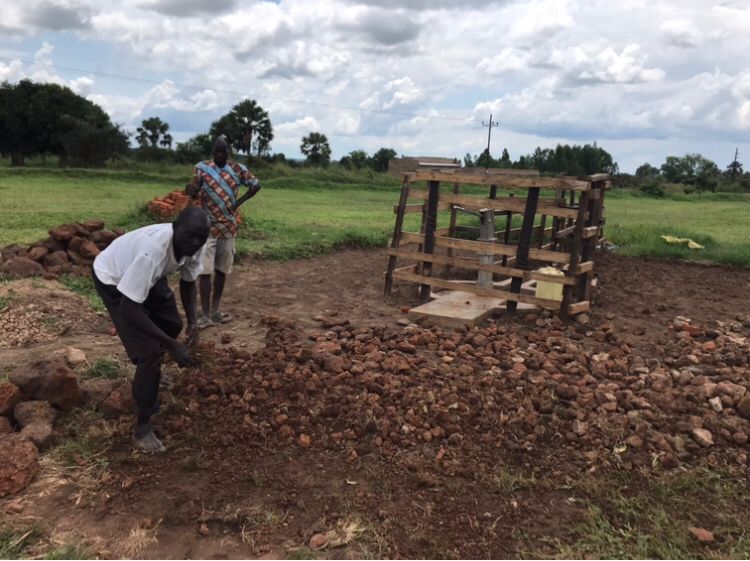
The hands that use the water are the hands that protect it. Locals playing their essential role in safeguarding the well’s infrastructure.
This destructive equilibrium demands immediate intervention. Investing in safe WASH provision transcends philanthropic gestures; it is unequivocally the smartest economic investment yielding superior public health dividends, higher educational attainment, and a more resilient societal structure. The requisite solution is holistic and inclusive: empowering educational institutions with Point-of-Use Treatment protocols (such as chemical disinfection), cultivating Community Ownership through the establishment of student-inclusive WASH Committees, and mandating the construction of universally Accessible Facilities. This is precisely the operational space occupied by Gulu Disabled Persons Union (GDPU). Through our critical WASH program, GDPU is proactively rehabilitating and constructing new water points with a stringent mandate for inclusive access for Persons with Disabilities (PWDs). By upholding the principles of Universal Design, we integrate features like ramps and appropriate handrails, ensuring that every child, irrespective of functional ability, can safely and effectively access the water, coupling this infrastructure with rigorous hygiene education to institutionalize lasting behavioral change.
“Water is life, and clean water means health.”
We cannot remain passive observers while the potential of our young women is curtailed by thirst, disease, and exclusion from the classroom. The timeframe for incremental adjustment has elapsed. We must immediately mobilize and escalate resource allocation to support these grassroots, inclusive interventions championed by entities like GDPU, channeling resources to remediate contaminated sources and investing robustly in the capacity development necessary for sustainable community-led water management. When we succeed in mitigating the debilitating physical and time-intensive weight of the water from a girl’s daily life and empower her with the weight of quality education, we unleash a transformative potential that secures the future of Northern Uganda. The systems and the strategies are now in place. The only remaining variable is the scale and speed of our collective commitment—will the global solidarity required to meet this urgent humanitarian demand materialize before yet another Hope, another Future, and another Dream is irreversibly erased?
Posted By OKWIR JOSEPH JOHNS
Posted Nov 17th, 2025