

Last week we visited all the primary schools monitored by GDPU. Our journey there highlighted just how remote many of them are. Three schools were an hour plus from Gulu along exclusively dirt roads. We passed remote villages, farms, and rivers which seemed to be the local meet up spot with nothing else around! We also saw a large correctional facility where prisoners are sent for ‘rehabilitation’ for many weeks – intense labour in a large farm, working 7am-7pm every day. Joe informed us they have to work for their food; food is at the end of the field, and they only get it once the land leading to that plate is ploughed/sowed/harvested etc!
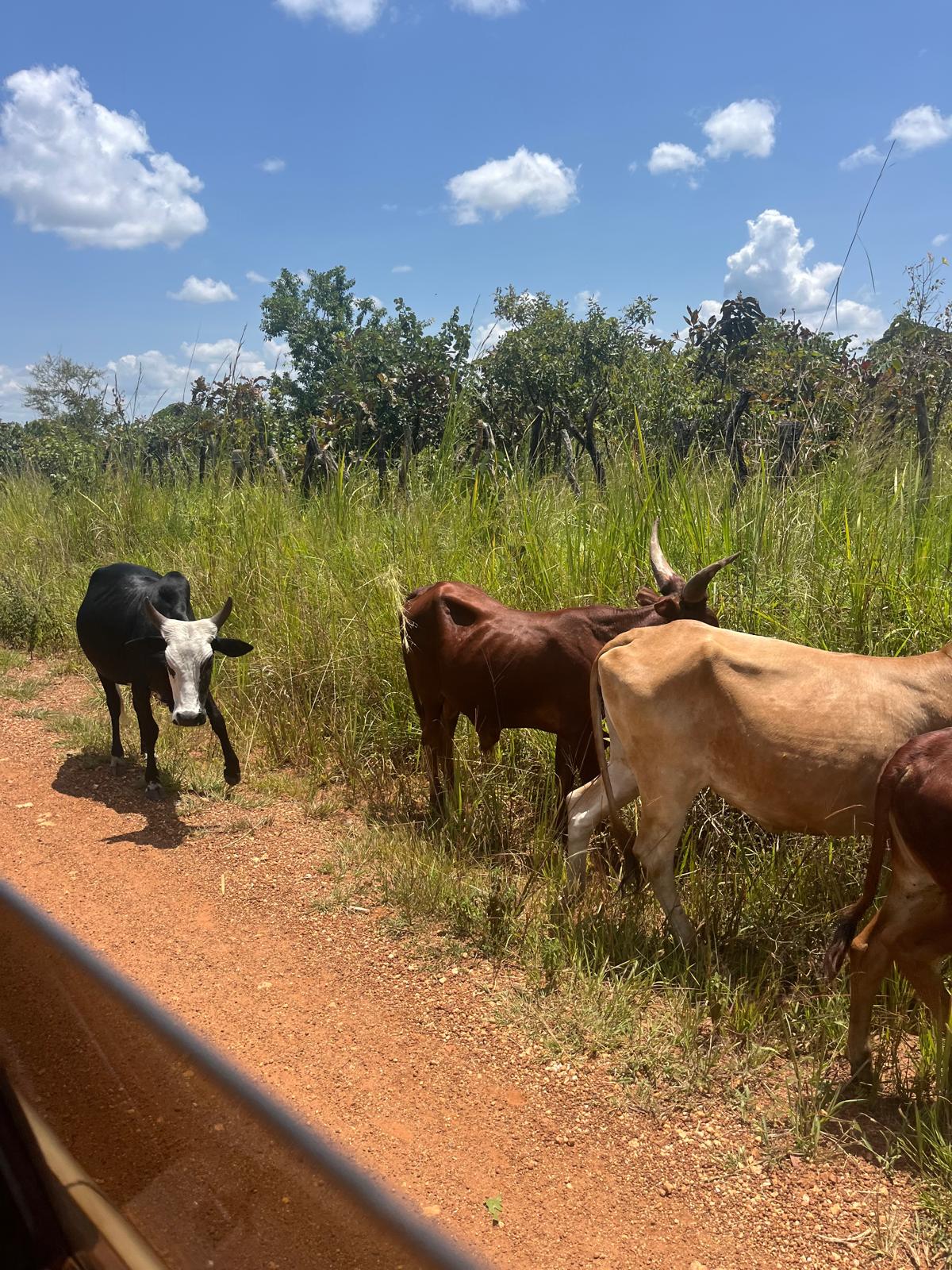
Our journey to Abaka Primary School.
Abaka Primary School stood out to us all as having some major failures. Present at our discussion was the headteacher and senior male teacher.
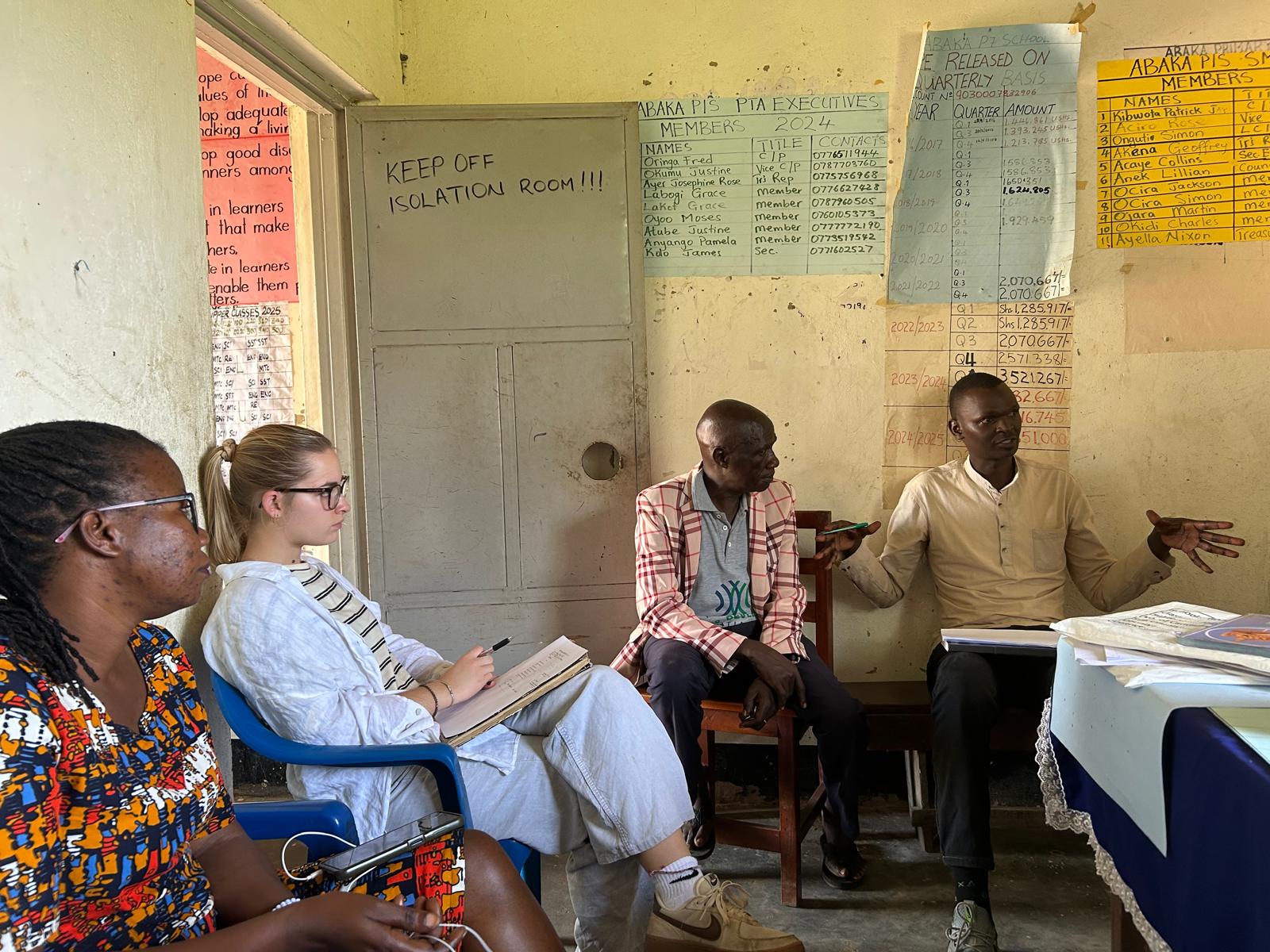
Most worrying for me was the responses to our questions about the girls’ experiences of life at Abaka. We were met with some reluctance (or maybe more simply just lack of knowledge in this area) from the Headteacher. When asked about where the girls change, we were alarmed to be told this takes place in the library. We were not able to see this, but the senior male teacher said there is simply a sheet, which anyone can lift up, separating the learning area of the library and this makeshift changing room. Thinking back to my time at school, I could not think of anything more humiliating than having to walk through the library, through crowds of people studying, to change. There are no washing facilities in or near the library, meaning the girls would then have to go back to the latrine block to wash themselves. The result of this is not only embarrassment, but wasting of important education time.
We also discovered girls were throwing their sanitary pads down the latrine pit. The result; a rapidly filling pit which becomes harder to empty. Whilst this school would benefit from an incinerator in future, at present the school has not proven capable of caring for such an installation. We aim to deliver a menstrual hygiene training session here to educate the girls on making re-usable sanitary pads, which in turn should cut down on such products being thrown in the latrine.
Upon hearing this, we were very alarmed. We had a stern conversation with both teachers present. The senior male teacher volunteered himself to take on this project; he appeared very motivated to change these key areas by our next visit to his school. He agreed to work with us, and most importantly the senior female teacher, to promote significant change in his school.
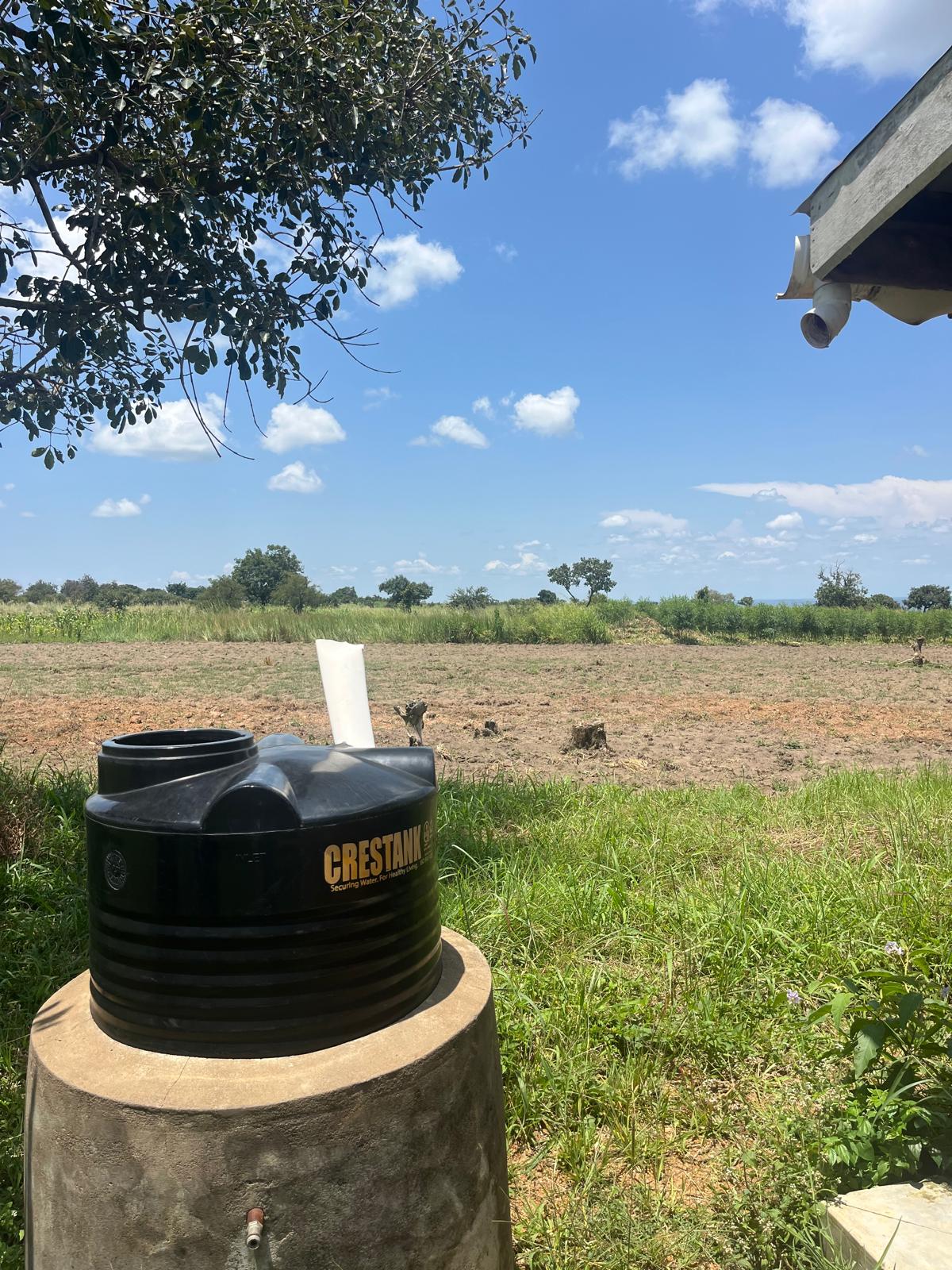
The broken gutter system, which has been noted on out monitoring system.
Awach Primary School proved much more successful. Their toilets were in great condition, and handwashing facilities were well equipped throughout the school. It was great to see the girls were using the incinerator to dispose of used sanitary items, and that the changing room was being used. However, we did notice the incinerator had not yet been burned since its installation. Whilst alarming at first, further discussion highlighted the incinerator was not yet full enough or ready to be burned (as the material has to be somewhat dry). We are also seeing how plausible it would be to deliver some training to the teachers on using the incinerator.
Awach has a well-established student Health Club, with 30 children involved. Involvement is so high as those attending the club appear healthier and have fun whilst gaining this extra-curricular skillset. They discuss a wide range of health-related issues, including; personal hygiene, how best to maintain school sanitation, and delivering peer-to-peer education. The latter is arguably the most significant, especially for young girls who may be reluctant to discuss their changing body and health with teachers or parents. This week we are going to have more discussions with the teacher who leads this club, as we are hoping we can transplant his model into schools such as Abaka.
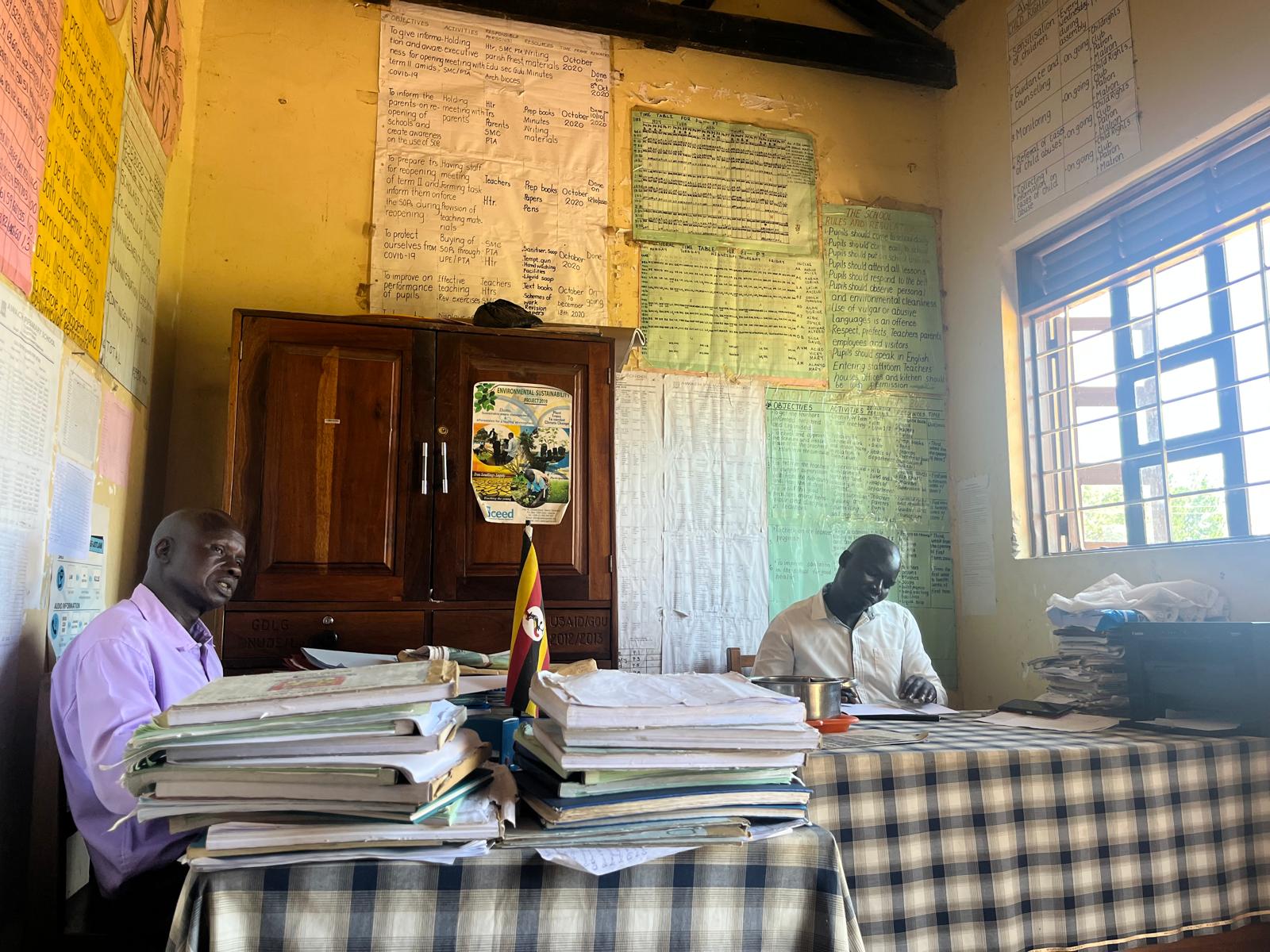
Meeting Awach’s Headteacher and Health Club teacher.
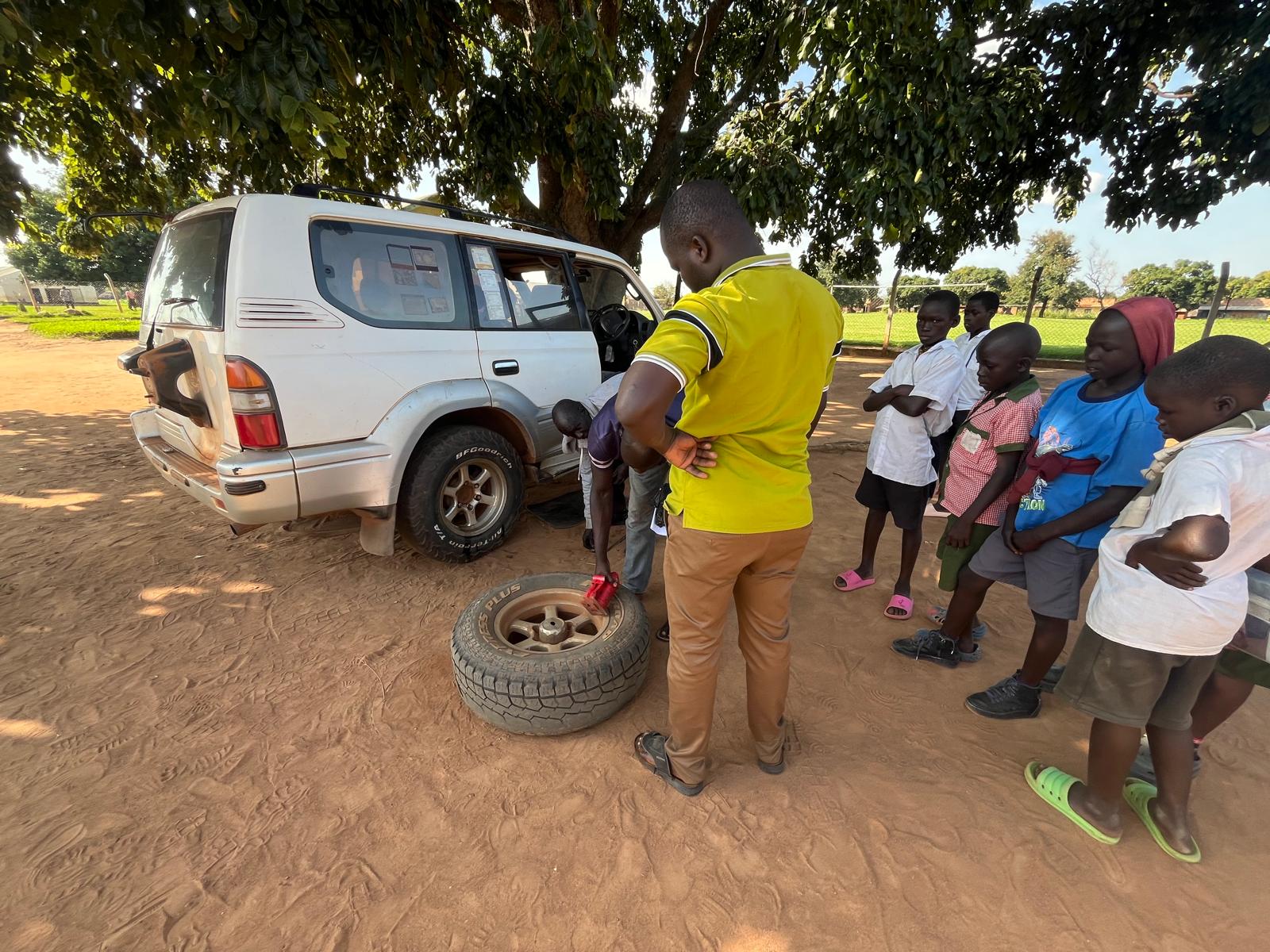
After a long, hot and exhausting day, we were all excited to get back to Gulu. However, we had a slight mishap when trying to leave our final school (Awach Central Primary School). It provided an interesting spectacle for the pupils. Our driver soon had it sorted!
This week, we have begun discussing resource allocation to best support those who need them the most, especially regarding incinerators. We have altered our questions to collect more data on how many girls may be menstruating and how girls are currently disposing of menstrual products. Whilst not in the near future, this is still important information to collect as it will help inform allocation of the next possible incinerator. It will also guide us as to where may benefit most from a menstrual hygiene training led by HerWorth. This is more sustainable and reliable method for choosing resource allocation.
Posted By Maddy Pound
Posted Oct 14th, 2025
1 Comment
Iain Guest
October 15, 2025
Such a good blog, Maddy! Lively, well written and full of great insights, This is EXACTLY how blogs should read – and also, another example of how important regular monitoring can be. Of all the things you are checking, the STATE OF TOILETS is probably the most important….. Abaka has always been a problem and it’s distressing to learn that the penny has still not dropped when it comes to girls changing etc. Yes, they are short of money and yes, the school is built on low-lying land. But there is no excuse for this sort of thing. I can’t wait for your next set of insights!