

One fine Saturday, Stella and I got up knowing we had a long day ahead of us.
There were three children’s homes spread across different parts of Nairobi that we were visiting as potential future Lishe Grow project sites. Our first stop was Shadow Mountain Orphanage.
We were greeted by children running around the compound and introduced to Shafi and Pastor Helena, who told us more about the home and how it operates. Like many children’s homes in Kenya, much of its support comes from churches and the goodwill of others. The children attend school and can remain at the home until they turn eighteen. Shafi, who comes in to tutor the children on different school subjects, had begun thinking about what else could be done to help the home become more self-sustaining.
Lishe Grow is now partnering with Shafi’s organization, Impact Champions Network (ICN), through a program called Compost Connect. The program aims to introduce children and young people to environmental stewardship, composting, and organic food production, giving them practical skills to care for their environment while learning how to grow their own food. The children’s homes we were visiting that Saturday offered an opportunity to put those ideas into practice.
As we walked around, we met some of the children and staff and saw where the children slept and played. Parts of the compound were slightly run down. One staircase was even missing a step, requiring the older boys to make a sizeable leap every time they used it. As someone considerably shorter than them, I looked at the gap and decided I would probably need an alternative route.
Goats, ducks, chickens, and children all seemed to share the same space. Somehow, neither the animals nor the children seemed particularly bothered by this arrangement. They simply moved around each other as if this was completely normal. The home already had a small kitchen garden, and our role would be to help upgrade and expand it.
Once again, I found myself looking around and seeing how much potential there was.
As Stella walked through the compound, plans began forming almost immediately. Pastor Helena’s eyes brightened as the ideas grew. To her, the possibility of this partnership was God’s will.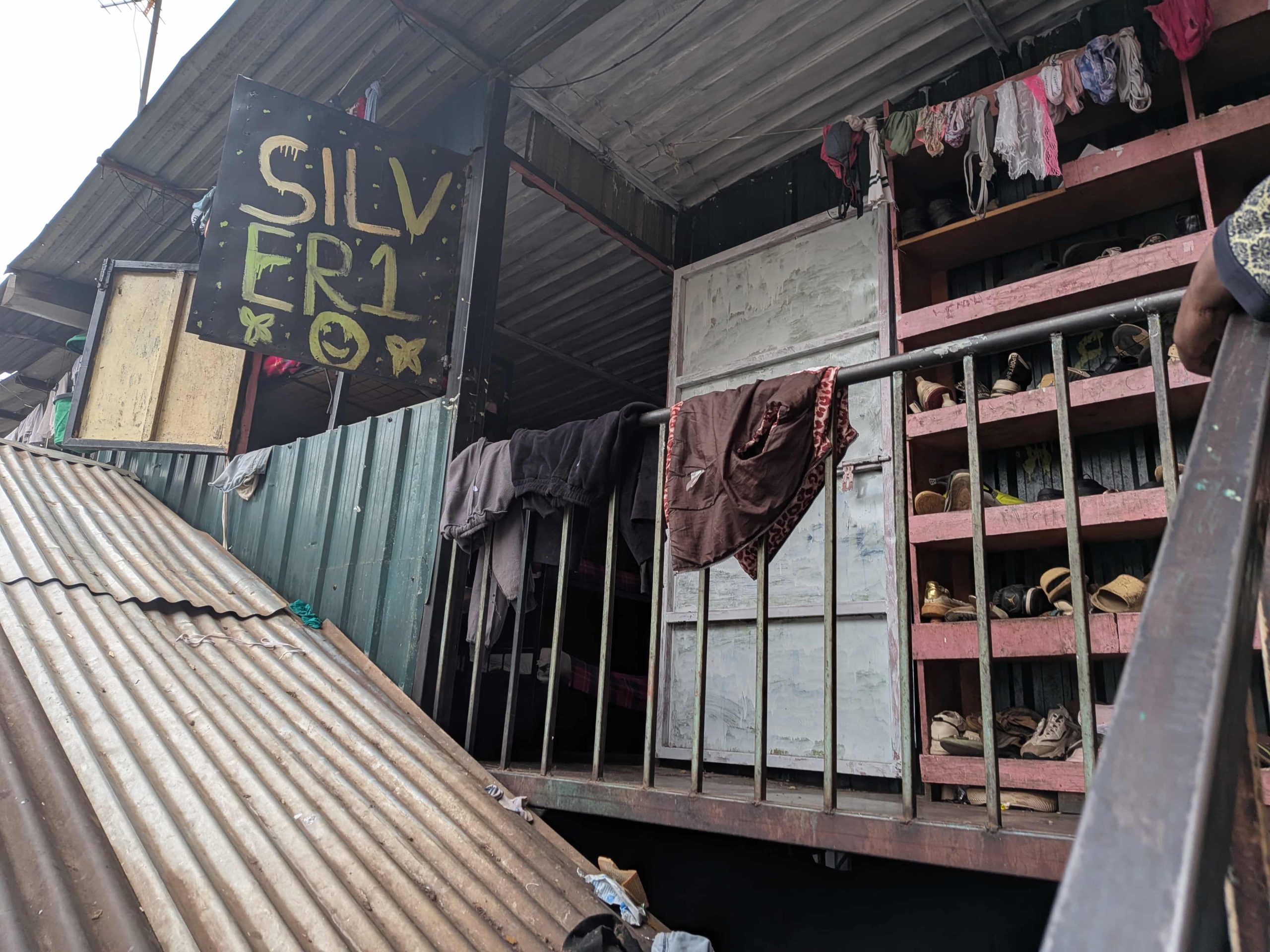
The ducks could have their own pond and designated space. The goats could be given more room away from where the children played. The existing garden could be expanded and improved, while the older children could participate and learn how to grow food themselves.
It was another example of something I have repeatedly observed while working with Lishe Grow: before asking what needs to be brought into a community, Stella first asks what is already there.
There was land. There was manure. There were animals. There was an existing garden. There were people willing to participate. The goal was not to arrive with an entirely new system, but to work with those existing resources and make them more productive.
I may not still be in Kenya when this particular project begins to take shape, but I left the home excited about what it could become. Sometimes the beginnings of a project are already there. They simply need someone to see the potential.
 2
2


Posted By Rhonwyn Hagedorn
Posted Sep 2nd, 2026