

After a long journey from the UK and a night in the capital, we found ourselves driving through the bustling streets of Kampala to the bus station. We passed numerous “freshers” posters advertising the university Freshers Ball.

Poster advertising the Fresher’s Ball.
Our driver informed us we were passing Kampala University and the long queues of traffic we were sitting in were a result of new students moving in. It offered a unique reminder of home, where only recently I had graduated from my law degree. Having read up on Uganda’s colonial past, I was interested to see how this may have shaped its legal system. Of particular interest to me was how legislation impacted women and girls in Uganda. I am using my first blog to briefly discuss elements of this topic, which I will keep in mind during my stay, and subsequent blogs, in Uganda.
The court structures of Uganda and England & Wales are much the same: the lowest level of legislature being the Magistrate’s Court, ascending to the High Court, Court of Appeal and eventually the Supreme Court. Where it differs significantly is sources of law and their interpretation. As an ex-British colony, Uganda’s legal system is based on a blend of Common Law and customary law. Customary law only has grounding when it does not conflict statutory law. It’s complex!
But, what really piqued my interest is what this means for women and girls in practice. In March 2021, the Succession (Amendment) Bill was passed. This was a pivotal change in the law to tackle discrimination resulting from the historical practice of the law giving preference to males regarding inheritance and land ownership. The repercussions of this practice were wide-reaching. With no access to inheritance, and no income from land ownership, this left many women and girls vulnerable to violence. Further reformation was made in April 2021 with the Employment (Amendment) Bill. This required all employers to enact measures to prevent sexual harassment, abuse and violence in the workplace.
These provide just two examples of the gap in the law which facilitated the violence, abuse and ill-treatment many women and girls were subject to. Whilst the law has been reformed, there is still a long way to go to enable equal access to opportunities. This summer, I will frame my blogs around the girls’ experiences of school-life, and the individual challenges they are facing on the ground. This is where the fantastic work of GDPO comes in.
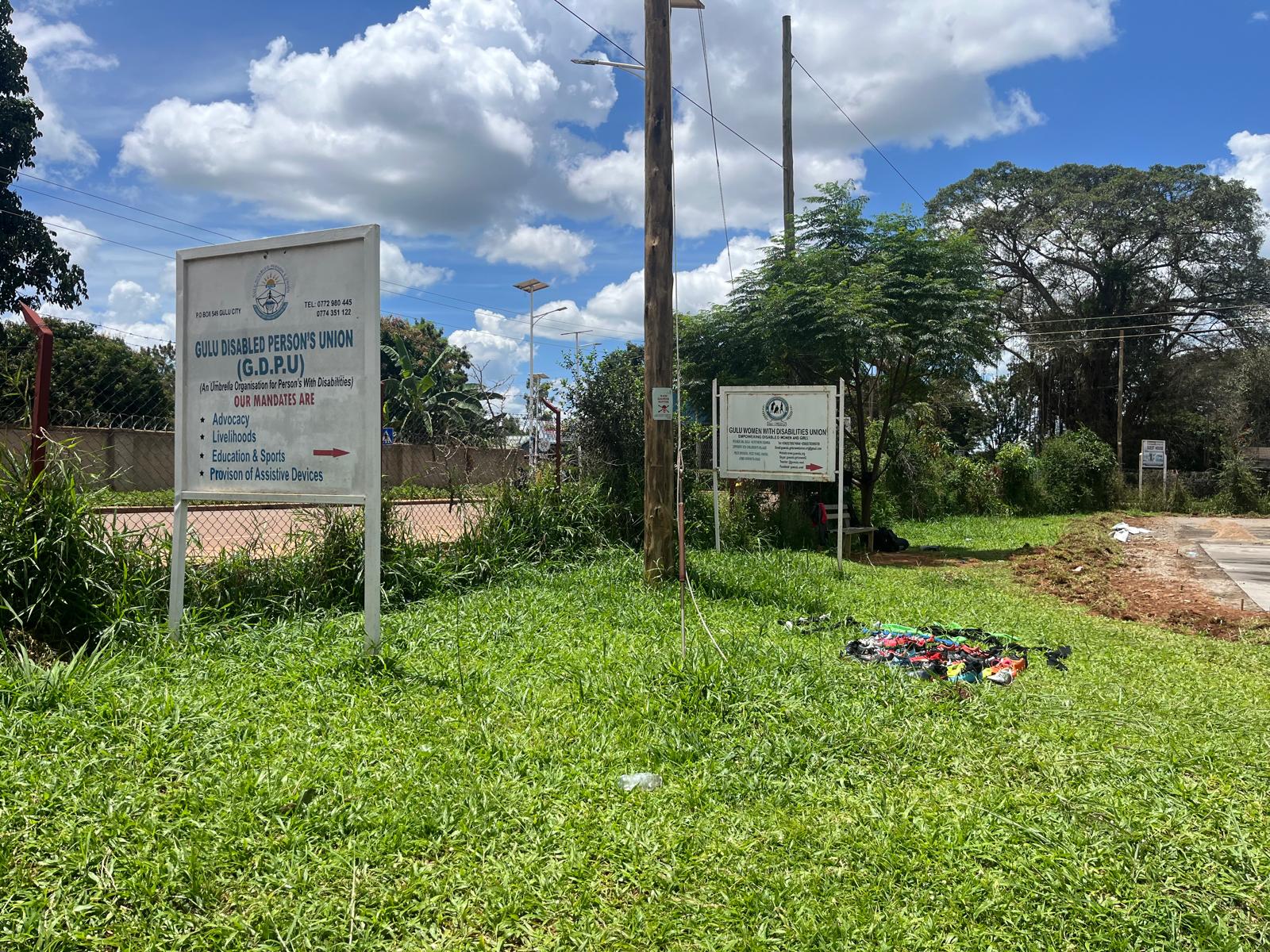

The GDPO Office
This summer, we will be working with Emma and Joe. Have a read of Aaron Bailey’s blog to get a greater understanding of their essential roles in GDPO and the WASH project! However, from our short time in Gulu so far, their strength and determination to improve the lives of all students through WASH is blindingly obvious.
Our primary focus this summer will be on WASH – a community-based project involving local stakeholders (parents, students, teachers, local leaders etc) to help build accessible toilets in primary schools in areas surrounding Gulu, Northern Uganda. The project is essential to ensure all students have access to clean, accessible toilets whilst at school. Two groups where a direct correlation between access to such facilities and school attendance has been identified are students with disabilities and female students.
There are currently 7 primary schools who have directly benefited from WASH’s accessible toilets. All vary in the standard by which they are maintained: on school visits, GDPO staff have observed buildings in a state of disrepair, mosquito infested toilets, or no available handwashing facilities. Conversely, other schools maintain a cleaning rota and ensure students always have access to soap and emergency sanitary items if needed. After identifying these disparities, GDPO recently developed a monitoring and evaluation strategy to unify the experience students will have in accessing WASH facilities across all 7 schools. The monitoring and evaluation tool is two-fold: it will enforce similar standards across all schools whilst also acting as a reliable data set to reach out to local NGOs working on projects similar to WASH. This way, GDPO can hopefully transplant its WASH model to more schools and communities in the future.
This coming week we finish our final visits to schools, completing the September monitoring and evaluation. We are continually reviewing and streamlining this process to show partners how effective this tool really is.
We’re really looking forward to the weeks ahead of us working with Emma, Joe, and the rest of the team at GDPO!
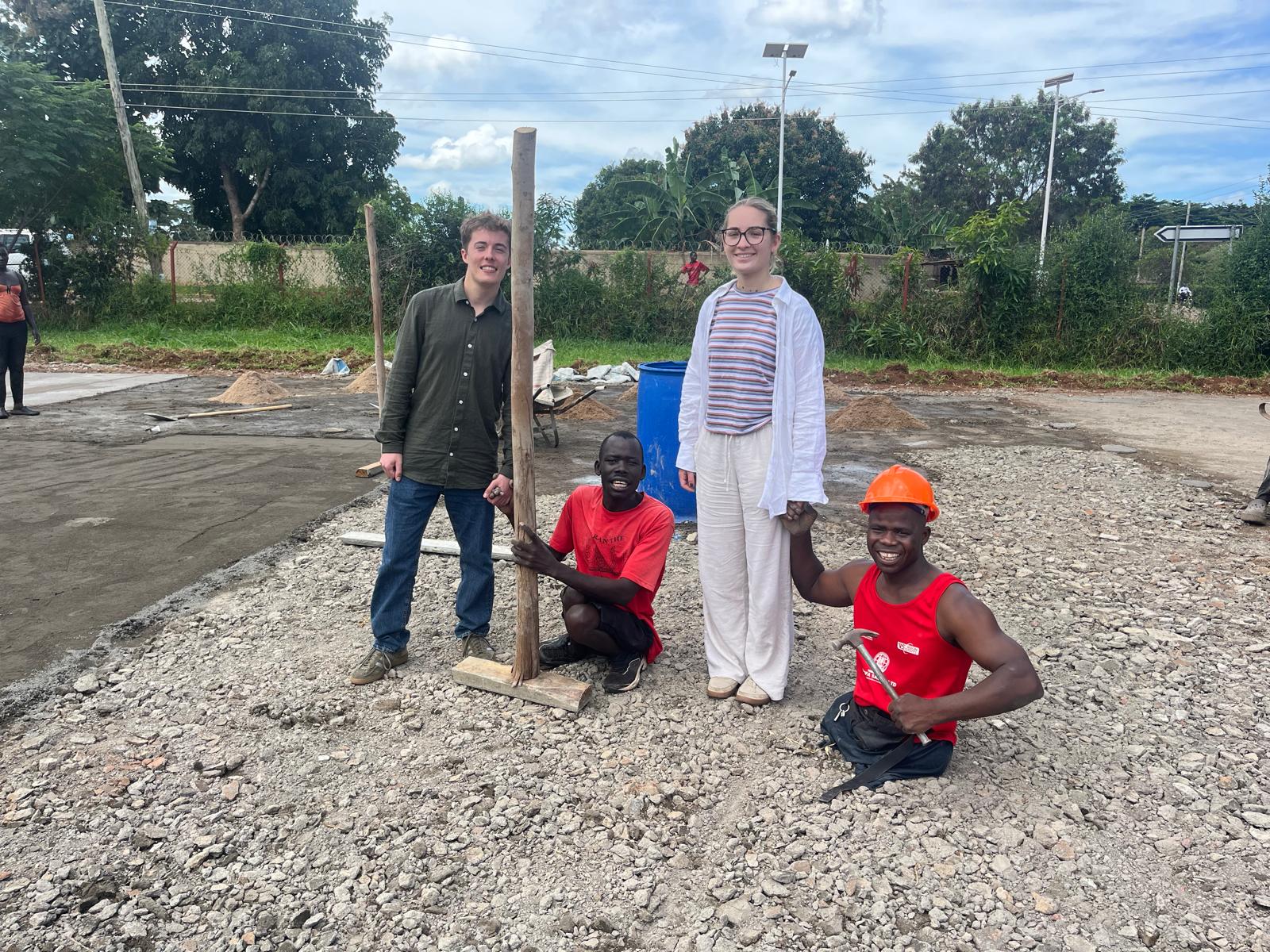

Meeting two amazing people (Peace Fellow Alex McDermott left, Ojara Denis middle and Okwanga Charles right) who are enthusiastic contributors to GDPO’s active sports programme! Both play national-level wheelchair basketball. Here, they are resurfacing the basketball court.
Posted By Maddy Pound
Posted Oct 2nd, 2025
1 Comment
Iain Guest
October 4, 2025
This is such a good first blog Maddy! Also, very brainy! You’ve clearly done your homework. I really like your central premise – that the laws protecting girls have improved, but the PRACTICE still leaves a lot to be desired. The same is true of education. Ugandan law requires that ALL children go to primary school – and the country is committed to universal primary education. BUT, this requires money that the state does not have. As a result, the burden for WASH (building toilets etc) falls squarely on parents and head teachers. What is the impact on the girl students? I expect to learn a lot from your blogs in the weeks to come!! Great start, Maddy!