
I don’t really know how to write this one.
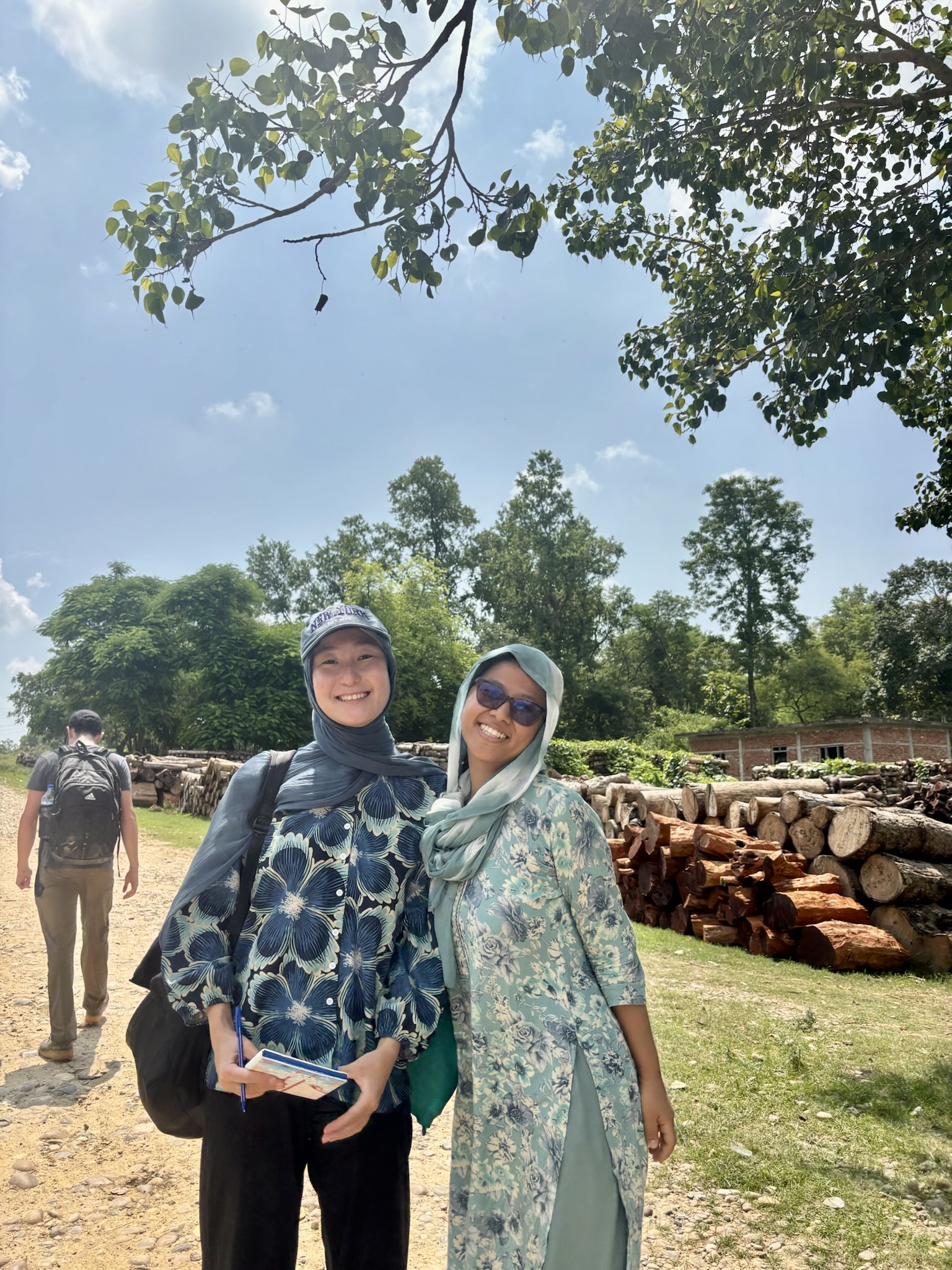
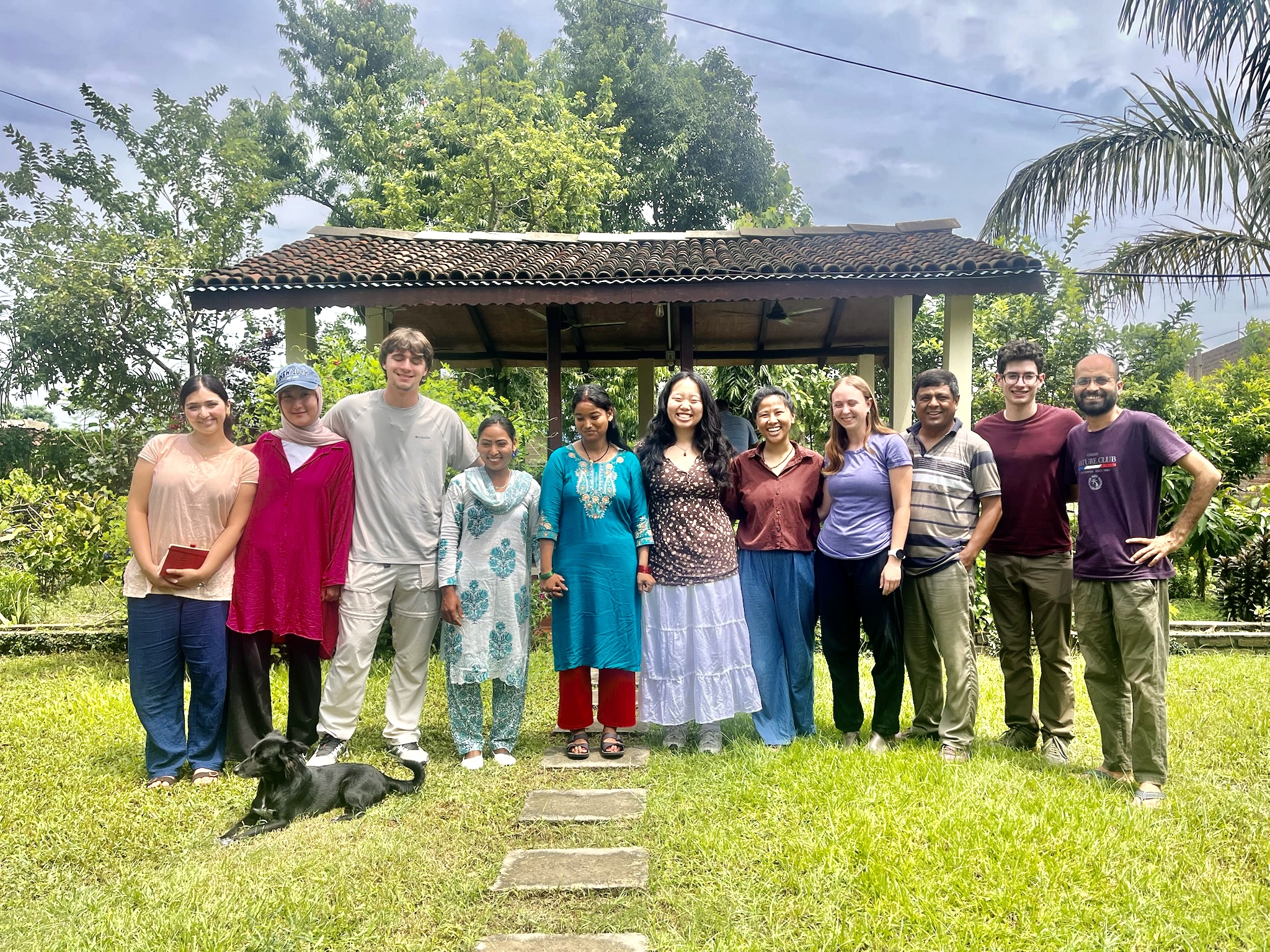
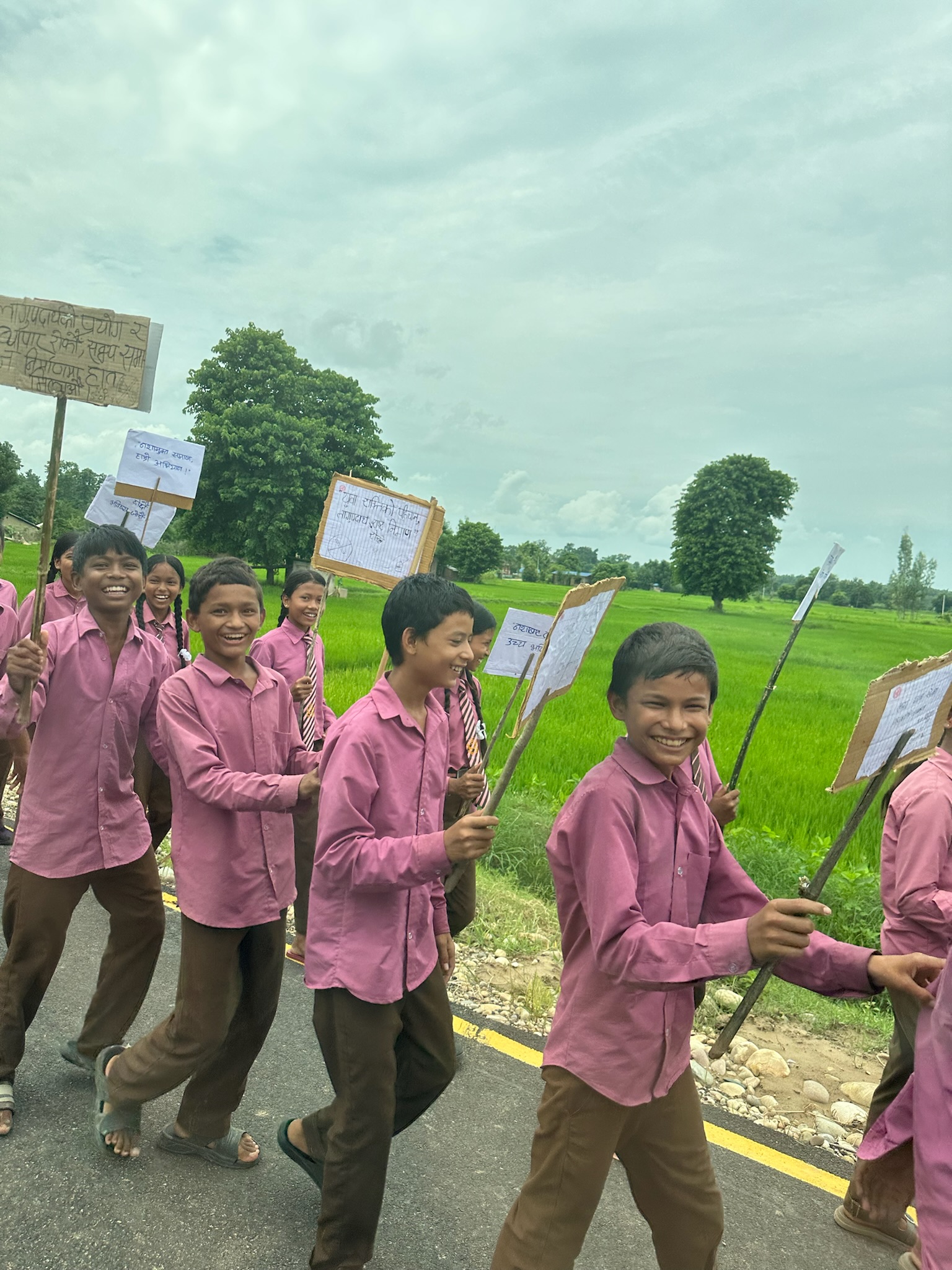
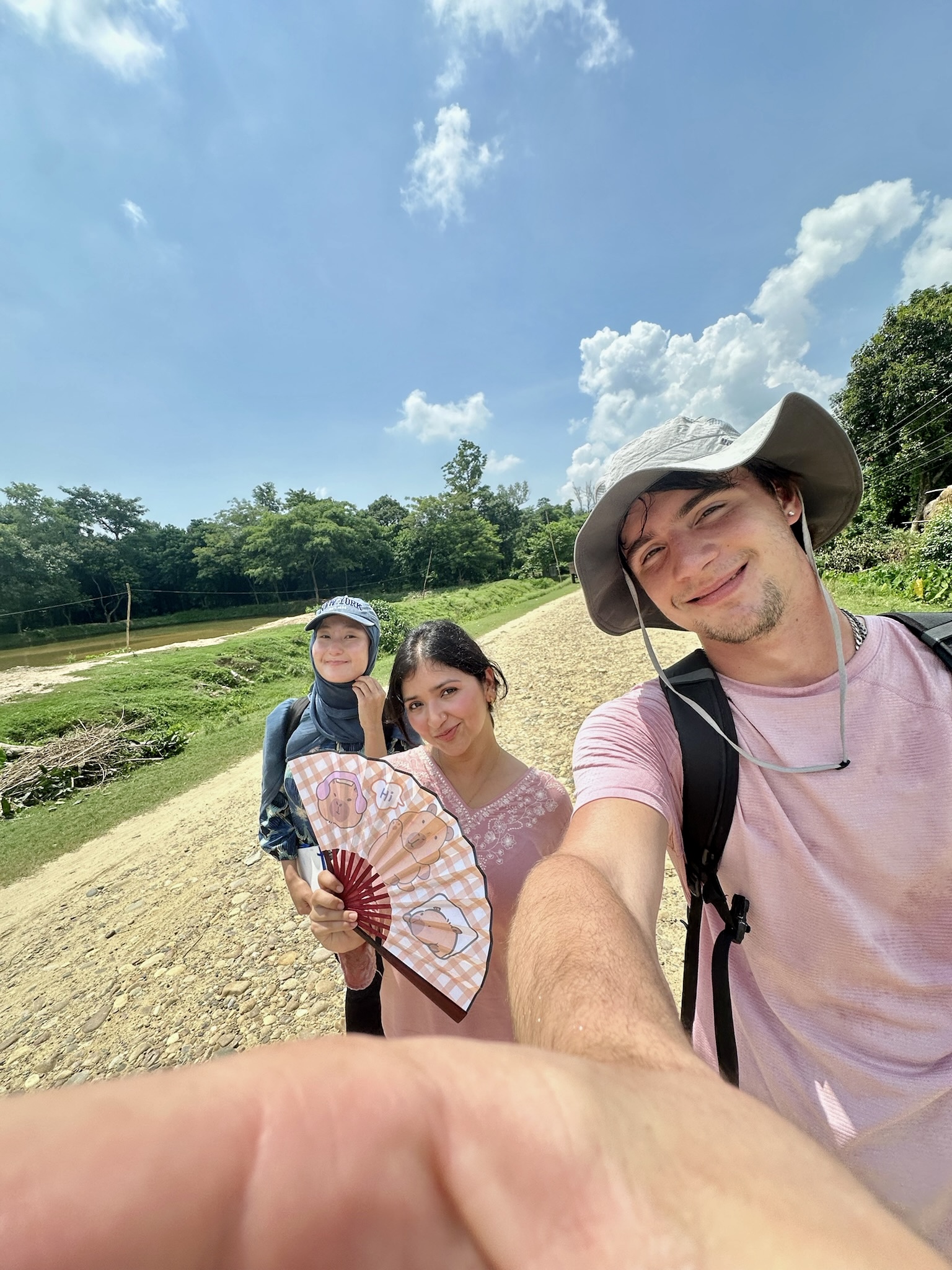
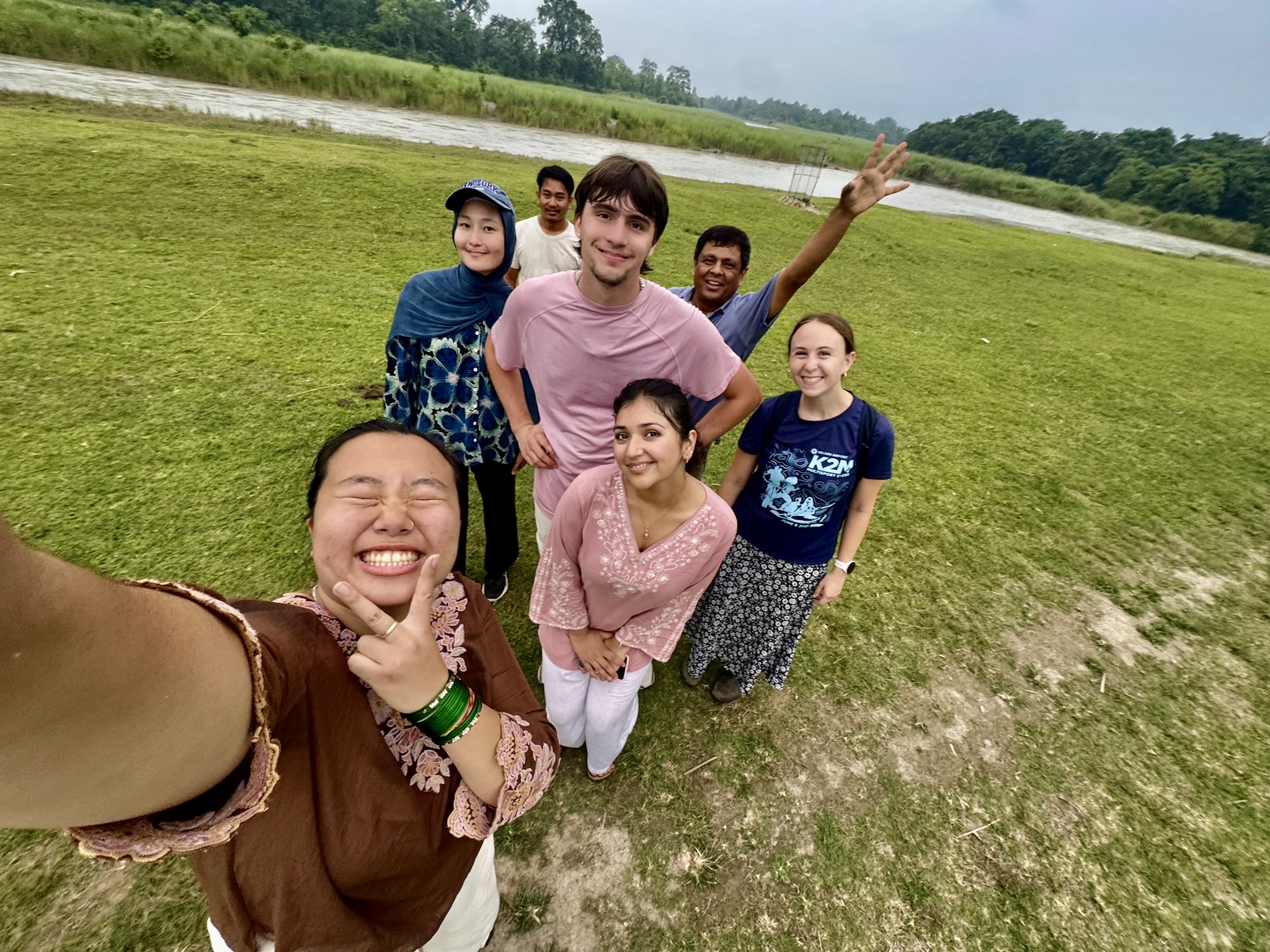
Bardiya sits in Nepal’s western Terai, flat and wide and completely different from Kathmandu. The landscape opens up — paddy fields stretching to the treeline, water buffalo moving slowly along dirt roads, mustard and rice growing in rows that families have tended for generations. We ate rice two, sometimes three times a day, always spicy, always hot, always with more food being pressed on us before we had finished what was on our plate. The hospitality was the kind that makes you feel slightly embarrassed by how little you are offering in return. Children played football in the evenings in any open space they could find. Cows wandered wherever they wanted. Life moved at a completely different pace than the city.
It is also one of the most conflict-affected districts in Nepal. More than 200 enforced disappearances, mostly from the Tharu community — people who had already been fighting for their land and dignity long before the People’s War arrived. When the state finally showed up, it showed up violently.
We met Bhagiram Chaudhari, who has been organizing victims here for years through the Conflict Victims Committee. He spoke about what it means to build a movement in a place where the federal government has never really been present — not during the conflict, and not after.
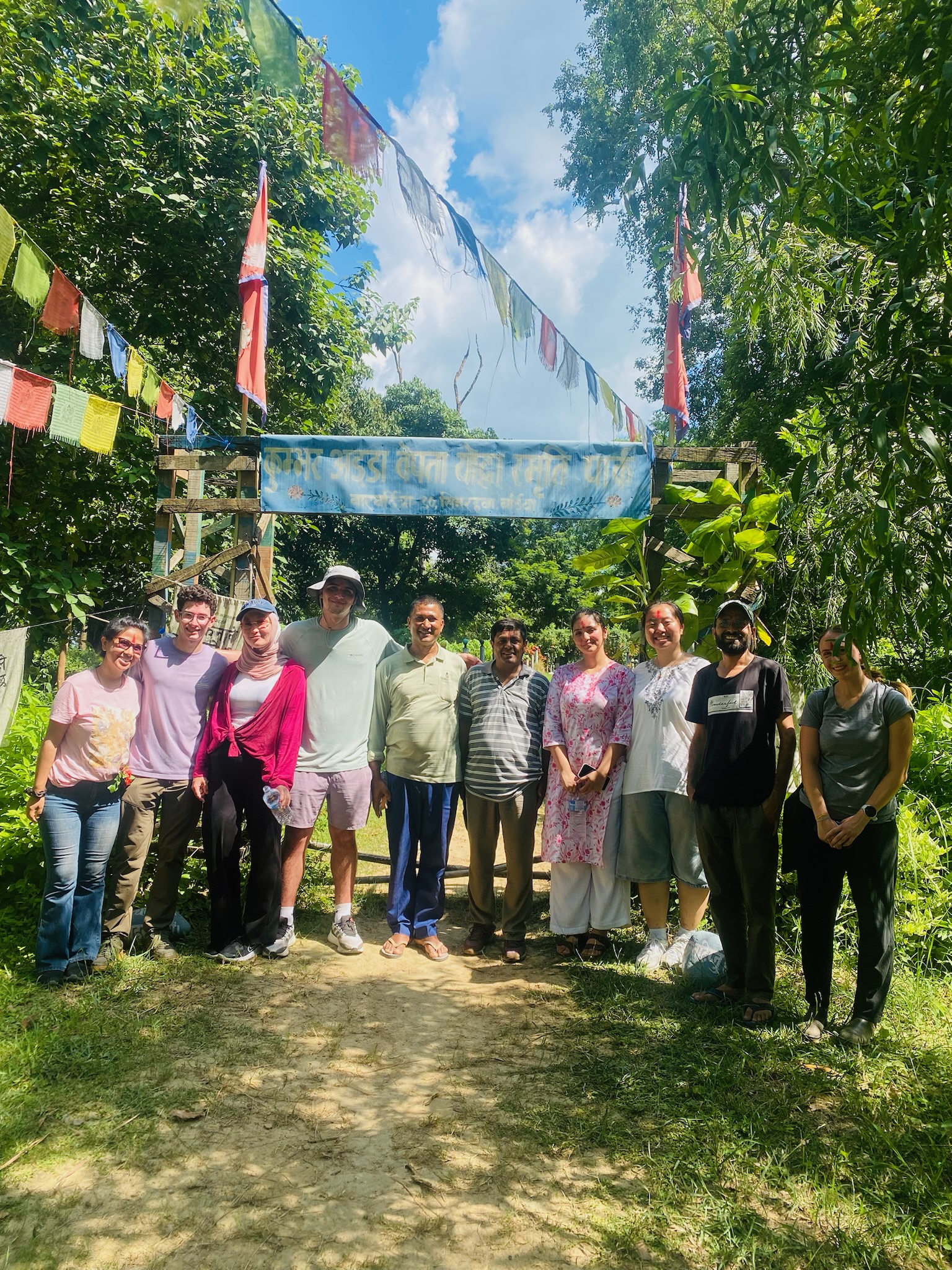
We visited the Kumbhar Adda Missing Warrior Memorial Park, which Niranjan Chaudhary built. Not the state. Niranjan. That stayed with me — that the families of the disappeared created the space to remember their own people because no one else was going to.
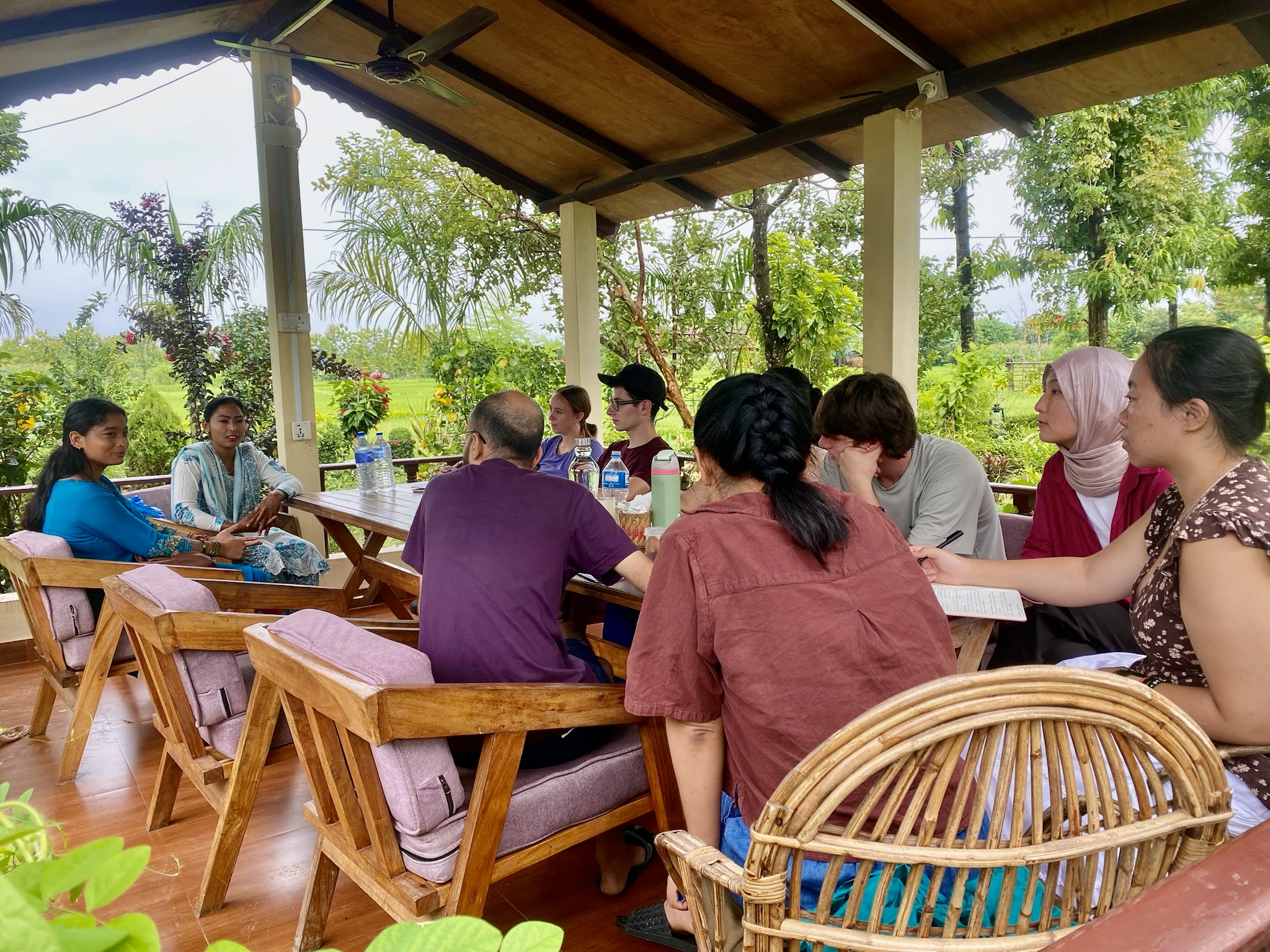
Some of the hardest moments of the whole summer happened at that park and in the interviews that followed. We spoke with families of the disappeared, and some of them came holding things — objects they had brought to the memorial, belongings of the person they had lost. They explained who had disappeared, and how, and why they believed it happened. Some of them cried. I sat there trying not to. I don’t know if I fully succeeded. There is something about watching someone hold an object that belonged to a person who never came home that makes it very difficult to stay composed, and I am not sure composure was even the right thing to aim for. What I kept thinking was that these families had been telling this story for twenty years, carrying it, waiting for someone to officially acknowledge it, and here we were — students with notebooks — and that had to mean something, even if it felt insufficient.
We met Kushma and Kanchan, two wives of the disappeared, who are leading the embroidery project. They design and make the products themselves, with profits going directly back to them. I kept thinking about whether this model was something given to them, or something they built themselves. Sitting with them, that question almost answered itself. The ownership in how they spoke about it. This was theirs.
We did interviews with families and community organizers. One thing I heard more than once was that the relief payments, the compensation that was supposed to come — it never arrived. Someone said it must have disappeared somewhere between here and Kathmandu. She said it plainly, without bitterness. I have been thinking about that line ever since.
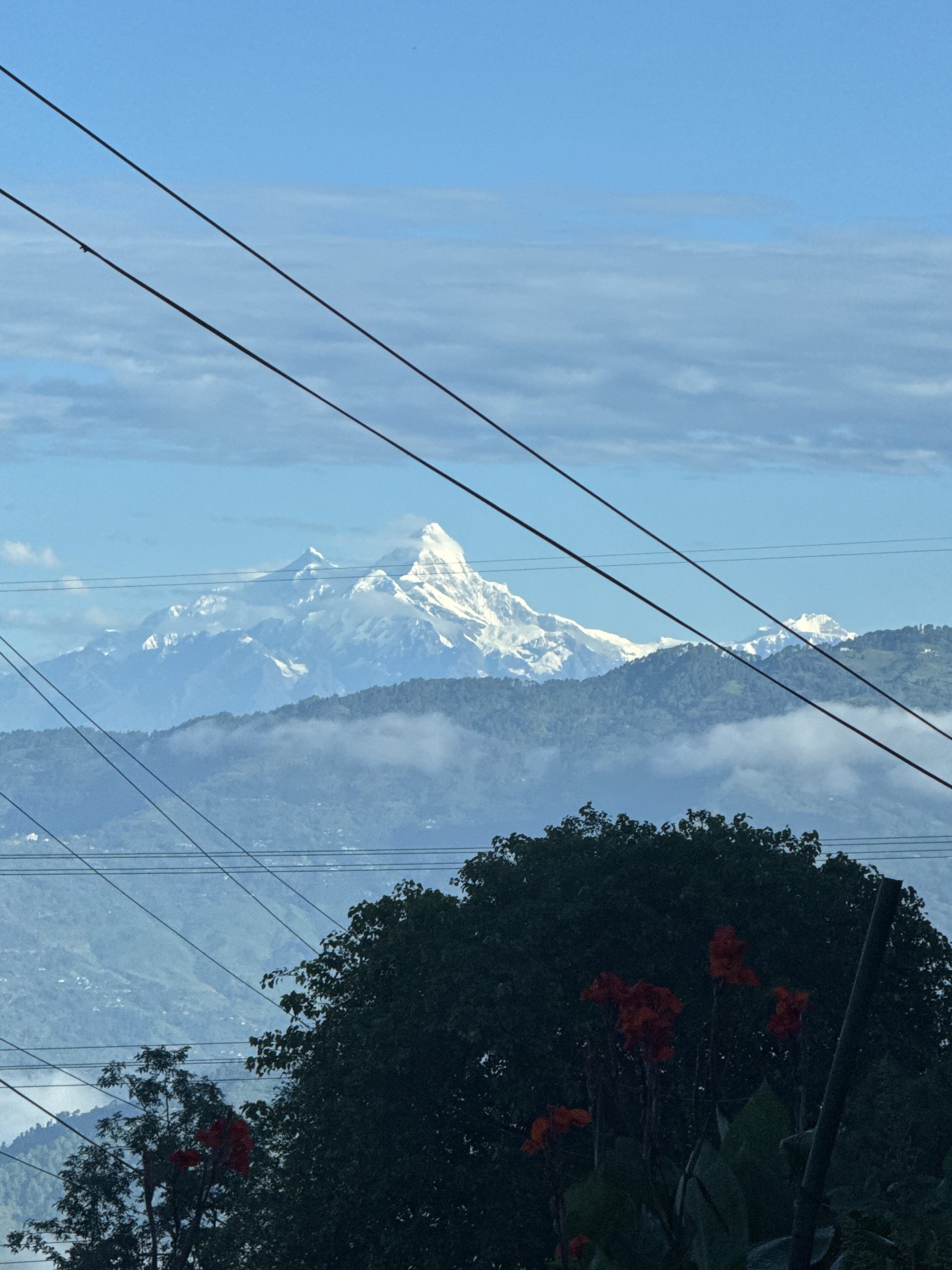
The contradiction of Bardiya is that it is also genuinely beautiful. The evenings especially — the light over the fields, the sounds, the slowness of it. I would look around sometimes and feel the weight of holding both things at once.
To everyone in Bardiya who fed us, welcomed us, and shared their stories with us: thank you. We will carry what you gave us carefully.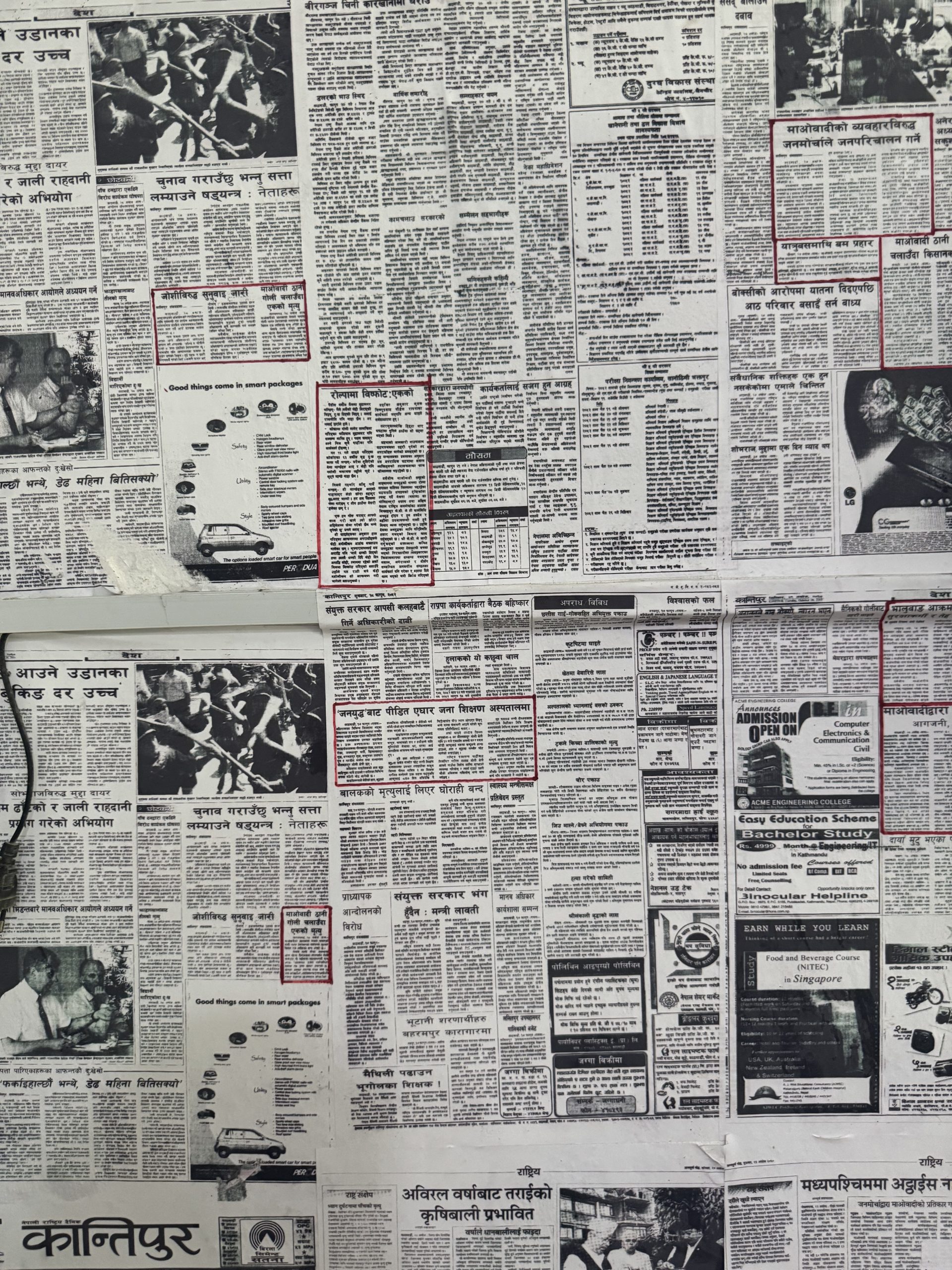




Posted By Tomiris Ottesh
Posted Oct 9th, 2026