

For millions of girls, the simple lack of a safe toilet or private hygiene space—Water, Sanitation, and Hygiene (WASH)—is a barrier that forces them to miss school or drop out entirely.
Our work at Gulu Disabled Persons Union (GDPU) champions an integrated WASH program that is more than just infrastructure; it’s an empowering investment in human potential and a commitment to inclusive learning environment where every girlchild feel safe and confident to stay at school and achieve the very best of their potential.

A Five Stance Latrine Constructed Fitted with an Incinerator and Changing Room along with Water Tank
The most critical impact is through dedicated Menstrual Hygiene Management (MHM), ensuring girls can manage their periods with dignity. Our program guarantees this by facilitating the construction of drainable latrines fitted with changing rooms that include clean, safe water for use, providing a private sanctuary. To complete the MHM loop, the program also builds incinerators for the safe and discreet disposal of menstrual waste, ensuring girls never have to sacrifice their empowerment and education for a natural life process.
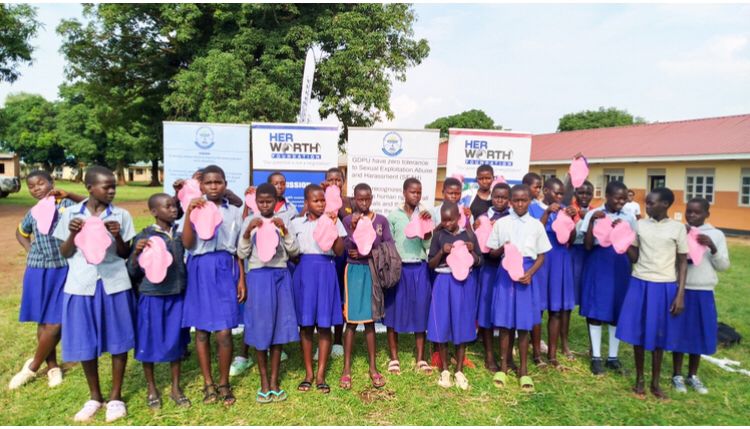
Learners of Tochi Primary School Happily Displays their Hand Made Reusable Sanitary Pads after a Menstrual Health Hygiene and Management Training.
Supported by the Advocacy Project, Our program’s power extends beyond menstrual hygiene management to enhance overall health and safety. The construction of well-maintained and secure facilities, paired with the provision of free liquid soap, significantly reduces the risk of infection and boosts girls’ self-esteem. Furthermore, we directly improves Health and Attendance by providing clean environments and conducting crucial malaria prevention and testing training, drastically reducing illness-related absences and empowering girls to remain healthy and focused in the classroom.
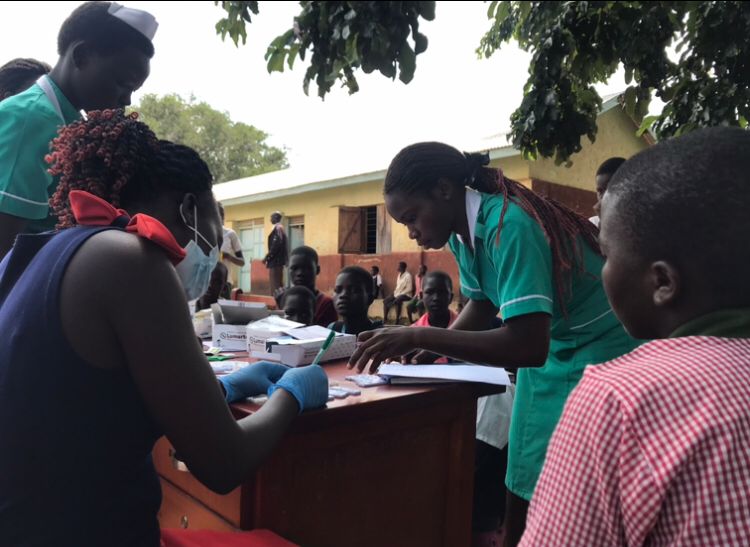
Learner of Awach Central Primary School Lining Up to be Tested and Potentially Treated After Malaria Prevention and Testing Training.
The long-term success of this program lies in sustainable “software” and profound community partnership. This involves specialized Menstrual Hygiene Training (MHT) and integrating WASH into life-skills education to instill lifelong habits. We envision a world where student-led WASH Clubs are actively engaging with the local community and parents in training and maintenance, we foster vital ownership and ensures the empowerment is enduring.
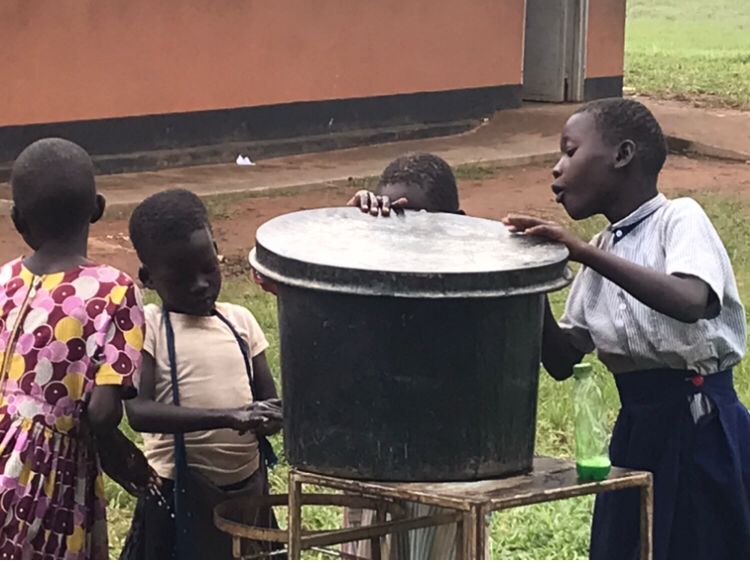
Our Mission is Clear, Empower Learners to Feel Confident and Support Each other with WASH Related Issues within their Learning Space.
In essence, our gender-responsive WASH program isn’t just about constructing toilets; it’s about demolishing the barriers to education. It ensures every girl can attend school comfortably, reach her full potential, and contribute to a healthier, more equitable future for us all. GDPU is fueling the next generation of female leaders—but who will answer the call for the millions of girls whose safe, dignified school day has yet to arrive?
Posted By OKWIR JOSEPH JOHNS
Posted Oct 7th, 2025
3 Comments
» How can we ensure girls’ voices are heard? – “Advocacy doesn’t happen in a day” | The Advocacy Project
October 10, 2025
[…] clearly face unique challenges in the Ugandan education system. Menstrual hygiene is a massive impediment. Indeed, poor WASH facilities – offering minimal privacy and dignity […]
OKWIR JOSEPH JOHNS
October 12, 2025
Thank you very much for this response and question from AP, To systematically ensure girls’ voices are heard regarding critical issues like Menstrual Hygiene Management (MHM) and poor WASH facilities, our strategy must focus on building Empowerment Platforms and establishing Formalized Feedback Loops for direct policy translation, thereby transforming them from passive beneficiaries into active advocates. We can establish WASH and MHM School Clubs as the internal, legitimate platform, training their female leaders in data collection methods (like Dignity Audits) to articulate demands that are quantifiable and actionable, not anecdotal. This voice will be formalized by advocating for the WASH Club Head Girl to hold a statutory position on the School Management Committee (SMC), ensuring MHM is a mandatory budget agenda item presented directly to decision-makers. Finally, we can institutionalize “Duty-Bearer Dialogue” sessions, where students present their findings and secure signed Commitment Scorecards from administrators and District Community Development Officers (CDOs), creating a public accountability record that GDPU will use to influence the creation of a Gender-Responsive WASH Standard Operating Procedure (SOP) across all schools, scaling local advocacy into enduring policy reform.
Iain Guest
October 15, 2025
Hi Joe. Another really good blog! I’m interested in the student WASH clubs. is this is a new offshoot of the WASH program, or did the clubs already exist? Who initiated them? I ask this because anything that is imposed on students from the outside or top is often resisted, but if these clubs ARE working well they could play a big role in keeping WASH facilities clean. Just long as they do not become too tied up in rules and procedures. I’d be interested to know more….