
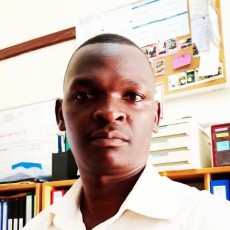
In many villages across Northern Uganda, the sound of a morning school bell represents hope, growth, and the promises of a brighter future. Yet, for thousands of children across Acholi, Lango, West Nile, and Karamoja sub-regions, the sounds of this bells are far too often missed. Malaria, a preventable and curable disease caused by parasites and spread through the bites of infected female Anopheles mosquitoes continues to cast a long shadow of uncertainty over households and educational futures in the region. Beyond physical pain, severe malaria triggers a ripple effect that destabilizes family finances, increases caregiving burdens, and disrupt childhood education. Through targeted school-based malaria prevention training under our WASH (Water, Sanitation, and Hygiene) Project, Gulu Disabled Persons Union (GDPU) is making efforts to break the cycle by equipping primary school pupils with actionable health knowledge and rapid diagnostic access.
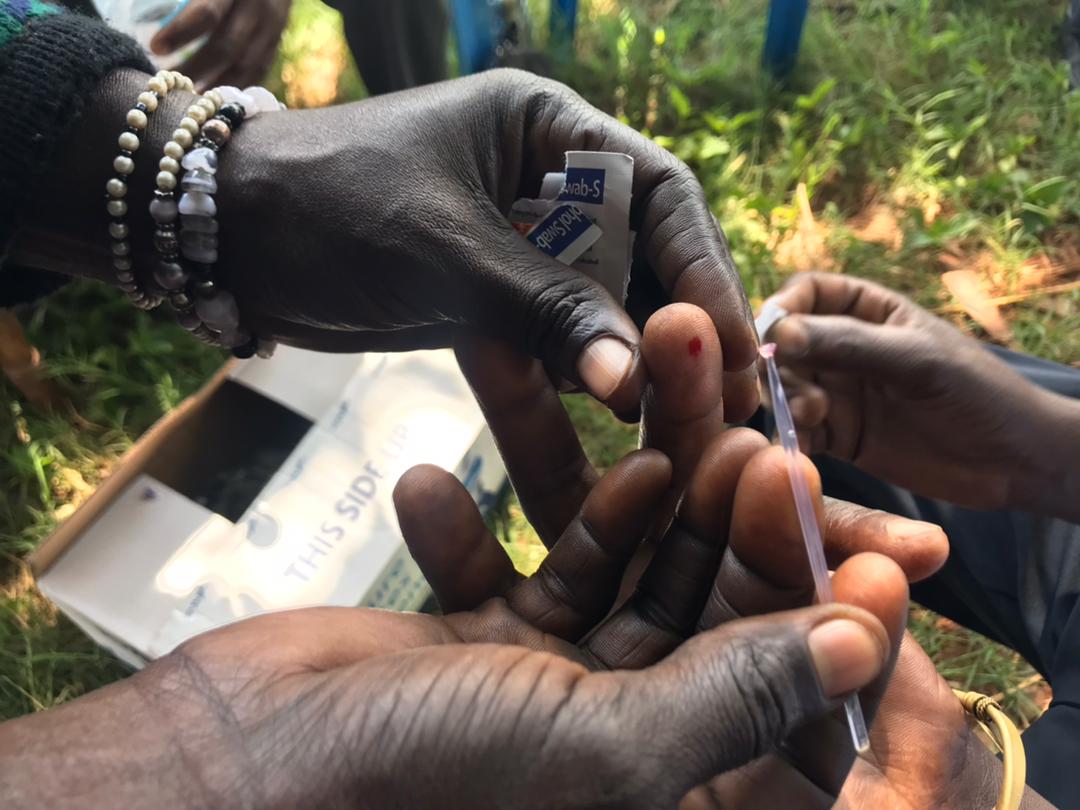
A small prick today to reclaim a brighter, healthier tomorrow—because no child’s education should ever be interrupted by a preventable fever.
The World Health Organization’s 2025 World Malaria Report highlights that global malaria cases climbed to 282 million. Uganda remains among the top ten most affected countries globally, accounting for a massive share of the continent’s disease burden with the north and specifically Acholi Sub Region as the hotspot.
At the national level, official results from the Uganda Malaria Indicator Survey (UMIS 2024–2025) released by the Uganda Bureau of Statistics (UBOS) and the Ministry of Health reveal a concerning surge in disease prevalence. Nationwide parasite prevalence among children aged 6 to 59 months rose sharply to 21%, up from 9% in previous national surveys. The regional disparities are stark: while urban centers like Kampala reported less than 1% prevalence, Northern Uganda faces the highest burden in the country. In Lango, and Acholi sub-region, parasite prevalence among young children surged to nearly 60%, making them a primary focal point of the epidemic. Routine Ministry of Health surveillance reports also demonstrate that outpatient facilities in high-burden northern districts like Amuru, Gulu, Apac, Oyam, and Lira consistently report malaria test-positivity rates ranging between 70% and 76% among symptomatic patients.
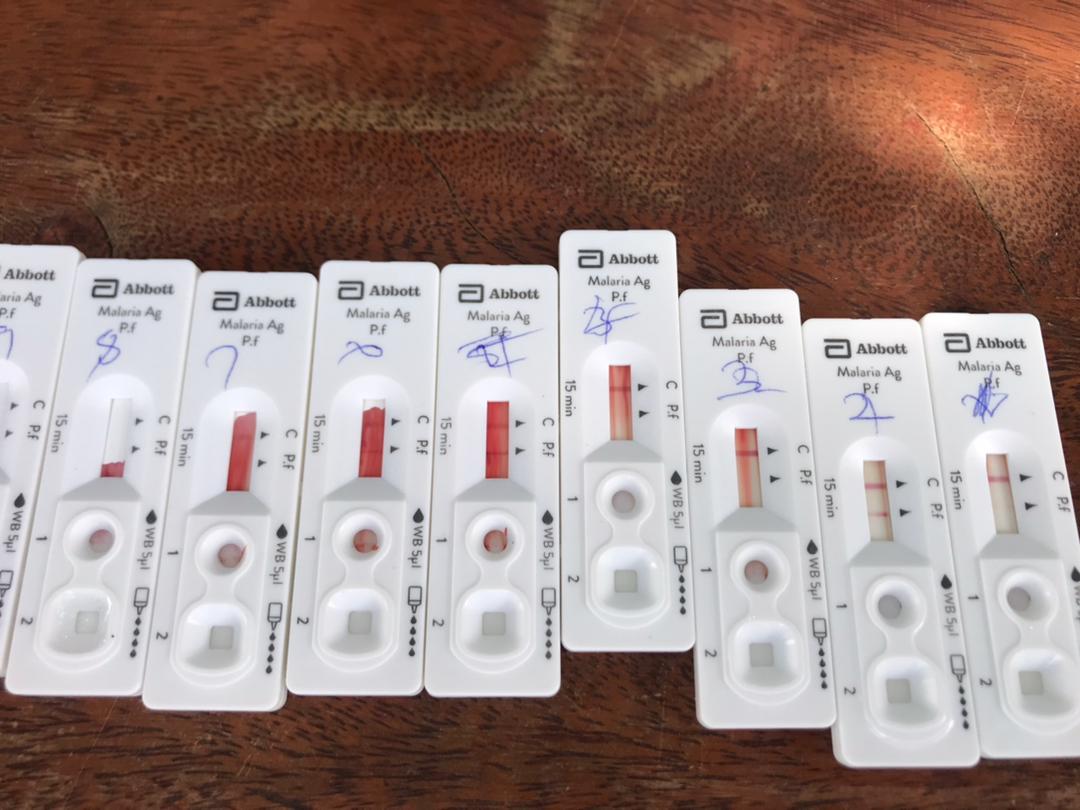
Waiting on the line that decides whether tomorrow brings a classroom or a clinic bed—every rapid test is a race to protect a child’s right to learn.
Malaria leaves a heavy toll on entire family units, creating financial instability and overwhelming daily household operations. When a primary earner or caregiver falls ill, agricultural work, casual labor, and small-business activities come to a sudden halt, leading directly to lost household income. This loss of revenue is exacerbated by immediate out-of-pocket medical costs. Families are frequently forced to sell livestock, deplete small savings, or borrow money to cover health center transport, consultation fees, diagnostic tests, and supplementary medications when public health facilities face stock-outs.
The caregiving burden created by malaria falls disproportionately on women, older siblings, and the elderly relatives. Mothers must often sacrifice agricultural duties or market days to care for bedridden children, This threatens long-term food security and home nutrition. The illness also causes profound emotional strain; repeated fever episodes generate constant anxiety, particularly in remote areas where emergency transport to advanced care facilities are limited.
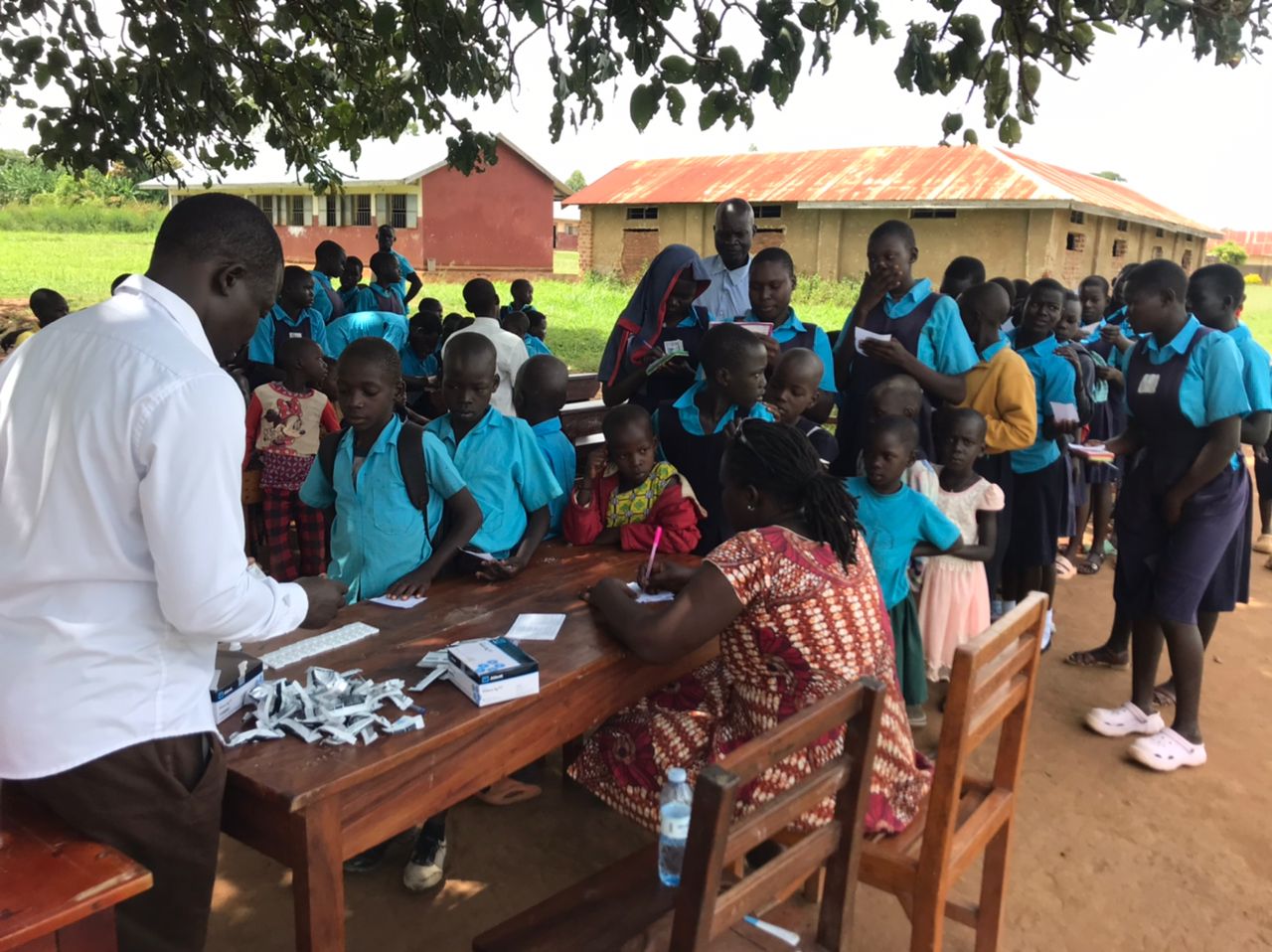
Standing in line today so they don’t miss a single day tomorrow—routine screening keeps our children healthy, in class, and learning.
Malaria is one of the leading causes of school absenteeism across Sub-Saharan Africa, accounting for a significant share of medically related absences. When children suffer from acute malaria, symptoms like high fever, chills, persistent headaches, and severe vomiting make classroom attendance impossible. Even following clinical recovery, severe anemia and lingering body weakness leave children chronically fatigued, severely impairing their classroom concentration, participation, and memory retention.
When children miss lessons repeatedly during peak mosquito-breeding seasons, their academic progress suffers. Students lag in foundational skills like literacy and numeracy, experience a decline in learning confidence, and face difficulty catching up with their peers. Over time, these academic setbacks combined with the economic strain on parents who struggle to afford basic educational supplies like uniforms, books, and exam fees greatly increase the risk of permanent school dropout. Older adolescent children, particularly girls, are also routinely pulled out of class to act as secondary caregivers at home when parents or younger siblings become incapacitated by the disease.

Eyes full of hope for a simple net that promises uninterrupted sleep, healthy mornings, and a future where malaria never stands between a child and the classroom.
Recognizing that primary schools serve as ideal community hubs for health promotion, Gulu Disabled Persons Union (GDPU) integrates comprehensive malaria education into its WASH Project curriculum. The project focuses on dispelling common myths that hinder effective treatment, explicitly teaching pupils that malaria is transmitted exclusively through the bites of infected female Anopheles mosquitoes and not through touching infected individuals, consuming specific foods, or witchcraft. By understanding the true cause of malaria, children learn the importance of seeking clinical diagnosis rather than relying on ineffective home remedies.
The training equips pupils with practical prevention strategies that can be implemented at both school and home. Learners are taught environmental sanitation practices, such as clearing tall grass around compounds, covering open water containers, and filling in stagnant water pockets where mosquitoes breed. The curriculum further emphasizes the continuous use and maintenance of Long-Lasting Insecticidal Nets (LLINs). Crucially, GDPU links education with medical access by facilitating school-based Malaria Rapid Diagnostic Testing (MRDTs) and referral pathways for immediate treatment with Artemisinin-based Combination Therapy (ACT), ensuring infected pupils receive early intervention before complications arise.
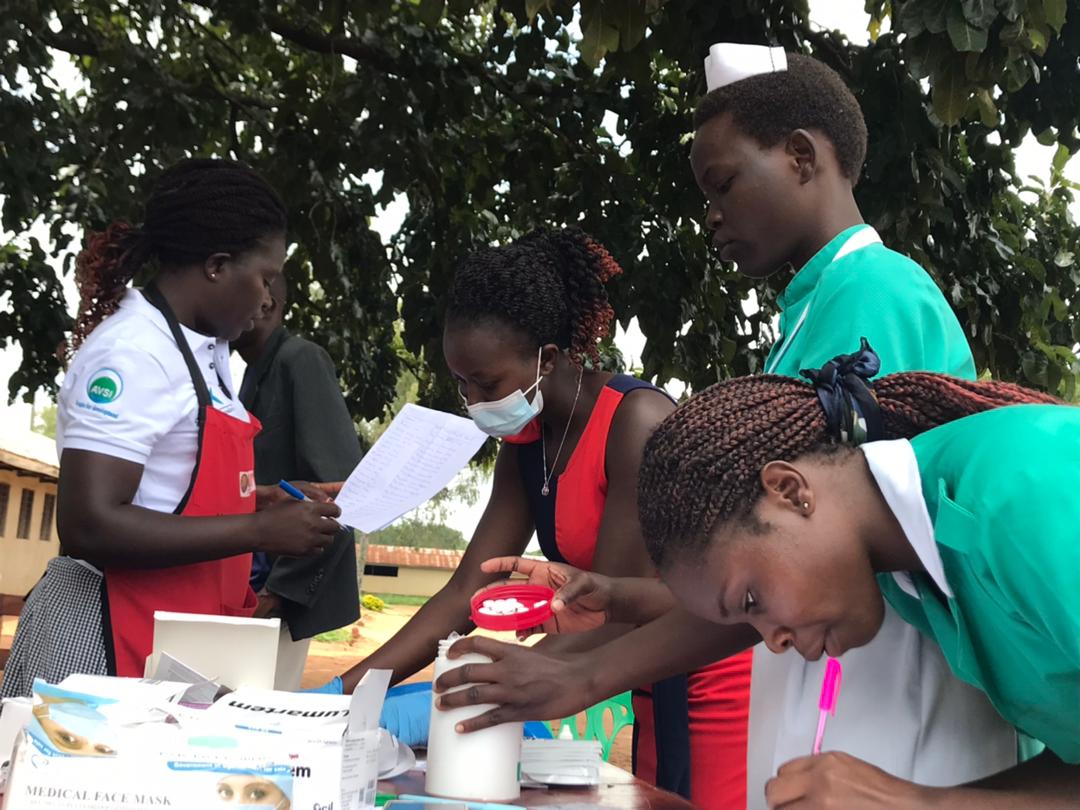
From rapid test to immediate treatment: our dedicated health workers on the ground ensuring no child leaves without the care, medicine, and protection they need to stay in school.
And so today we are forced to ask: how many more school terms must be cut short, and how many dreams put on hold, before malaria is no longer treated as an inevitable fact of life here in Northern Uganda? When a single insect bite carries the weight of a family’s drained savings, a mother’s lost livelihood, and a young girl’s interrupted education, the truth becomes impossible to ignore. We can no longer afford to view malaria as merely a medical challenge when it is, at its core, an urgent crisis threatening our children’s human rights and right to learn.
When a classroom desk sits empty today, what kind of future are we promising the leaders, teachers, and doctors of tomorrow? By giving our children, the knowledge and tools to protect themselves and their homes, we do far more than fight a disease—we restore their uncompromised right to learn, grow, and thrive. With your partnership, our program is ready to place that power where it belongs: directly back into the hands of our school going children up North.
Posted By OKWIR JOSEPH JOHNS
Posted Aug 31st, 2026