

For years, Abaka Primary School stood as a sobering case study in the limits of traditional aid. Located 46 km from the city center, the school’s modern WASH facilities, once symbols of hope, now sat abandoned, surrendered to wasp infestations and seasonal flooding. This was not a failure of engineering, but a crisis of institutional will. As leadership remained detached, the students paid the highest price: a staggering 17% dropout rate among girls due to menstrual health barriers and a complete lack of defense against malaria. It seemed Abaka was destined to remain a project that looked good on paper but failed in practice.
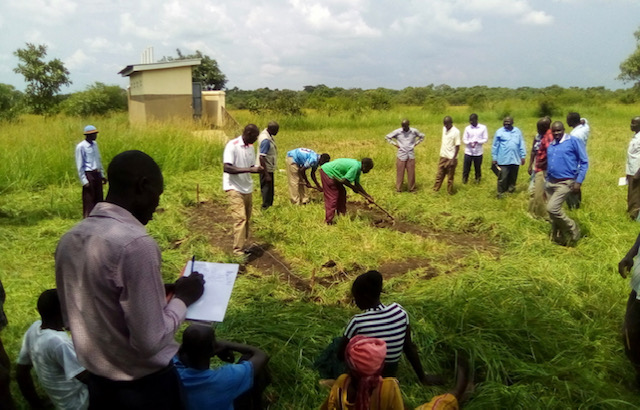
However, our latest monitoring visit captured the first stirrings of a radical transformation. In a move that has stunned local observers, the administration has pivoted from passive recipients to active custodians. By independently partnering with external actors to drain latrine facilities and formally ring-fencing 500,000 UGX from their own tight budget for infrastructure repairs, Abaka is finally bridging the gap between facility provision and local accountability. By reassigning these rehabilitated spaces specifically to female learners, the school is directly confronting the systemic issues that once forced girls out of the classroom.

This shift changes everything. While significant challenges remain, the learners and the surrounding community are already standing on firmer ground. There is a profound difference between a school facing obstacles alone and one backed by an administration making deliberate, courageous efforts to drive change. With a “culture of maintenance” finally taking root, the foundation is set for our high-impact hygiene and malaria prevention initiatives to achieve true sustainability. The student body is no longer just waiting for help; they are witnessing a leadership that is fighting for their future.

As the sun set over the newly cleared grounds, the head teacher closed his ledger with a finality that felt like the closing of one chapter and the opening of a much more ambitious one. He didn’t just speak of repairs; he spoke of a total institutional reclamation. “We have stopped asking for permission to succeed,” he remarked, looking toward the horizon. The infrastructure is ready, the budget is locked, and the first major hurdle has been cleared, but the true magnitude of Abaka’s “new direction” remains a closely guarded secret, one that promises to ripple far beyond the school gates and challenge the very status quo of regional education. The silence of neglect has been replaced by the focused hum of a revolution in progress.
Posted By OKWIR JOSEPH JOHNS
Posted Mar 25th, 2026
2 Comments
Iain Guest
June 4, 2026
Wow! I remember going to Abaka in 2017 and finding toilets that were in such bad state that kids were going out into the fields where they risked being bitten by snakes. This is a dramatic turnaround and the head teacher must really have seen the light if he’s putting money aside for repairs AND planning to drain the latrines. Head teachers have enormous power in these isolated schools and you are so right to zero in on this totally wonderful shift of attitude. A lot of this is due to your advocacy, and Emma’s. Well done!!
Anna Kate Connors
June 13, 2026
The amount of progress made is incredibly impressive. It is clear to see the infrastructure and sustainability developments made through leadership and community engagement! So inspiring!