
The Maasai are traditionally a pastoral and nomadic people. The community living near Lang’ata does so informally, having migrated from more rural areas to Nairobi in search of opportunities and a better future for their families. Their diet is relatively simple. Meat is consumed when available, but vegetables are not traditionally a regular part of the diet. As pastoralists, they rely heavily on milk and maize flour, often prepared as a thin porridge to feed their children.
Living in an informal settlement presents its own set of challenges. Without proper plumbing or sanitation infrastructure, open spaces and corners are often used as toilets. Goats and cows roam freely, leaving manure throughout the settlement. Water comes from a large rainwater collection tank that serves the community. Yet despite these challenges, we were welcomed into one of the homes. Inside, a fire burned warmly. There were cozy places to sit, and the atmosphere was simple, welcoming, and full of hospitality.
When walkin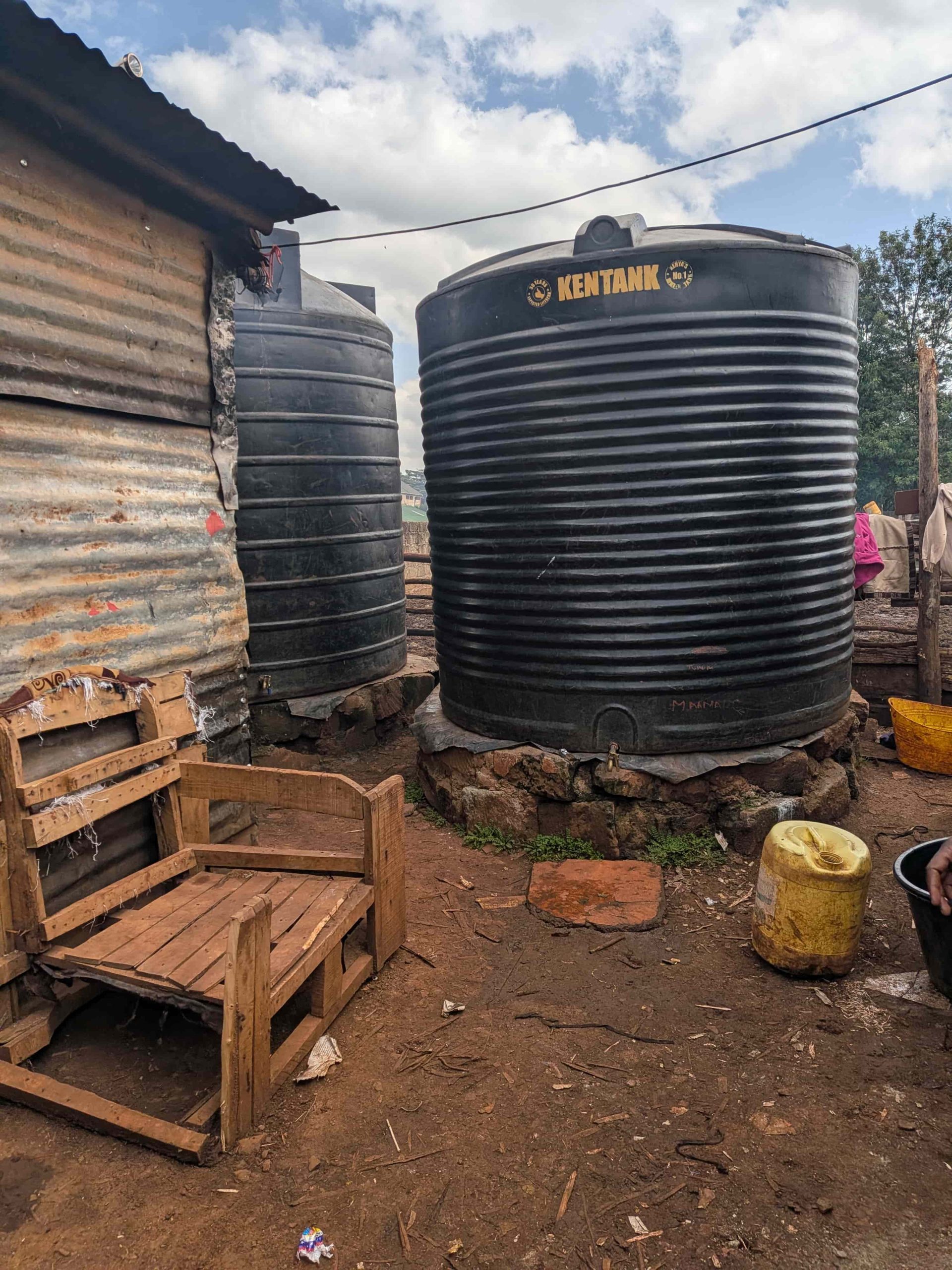 g through a community like this, it can be easy to focus on what is missing. Lack of opportunities. Limited resources. Trash scattered throughout the settlement. Poor sanitation.
Yet this perspective only tells part of the story.
The challenge we were hoping to address was nutrition. Among Maasai communities, rates of undernutrition among children under five remain concerning, and child mortality rates are higher than they should be. Living on the outskirts of Nairobi presents additional challenges around food access and affordability. While the community has land on the settlement that could potentially be cultivated, farming is not traditionally part of Maasai culture. As a result, families often rely on selling milk, casual labor, or other informal sources of income to purchase food, increasing household expenses and vulnerability.
During our initial visits, the opportunity to improve nutrition and reduce household spending was welcomed and met with appreciation among the community we spoke to, and that gave us hope.
Following Stella’s lead, I quickly learned to see the settlement differently. She encouraged me to look at the things others might overlook. Suddenly, there was opportunity everywhere.
Sticks, old tires, and discarded cans became valuable resources because they reduced the need to bring materials in from outside. They could become garden borders, planting containers, and building materials. The manure left behind by the livestock? Premium fertilizer. The bushes that needed trimming? Perfect mulch. What was initially seen as an informal settlement full of challenges began to reveal itself as a place full of assets.
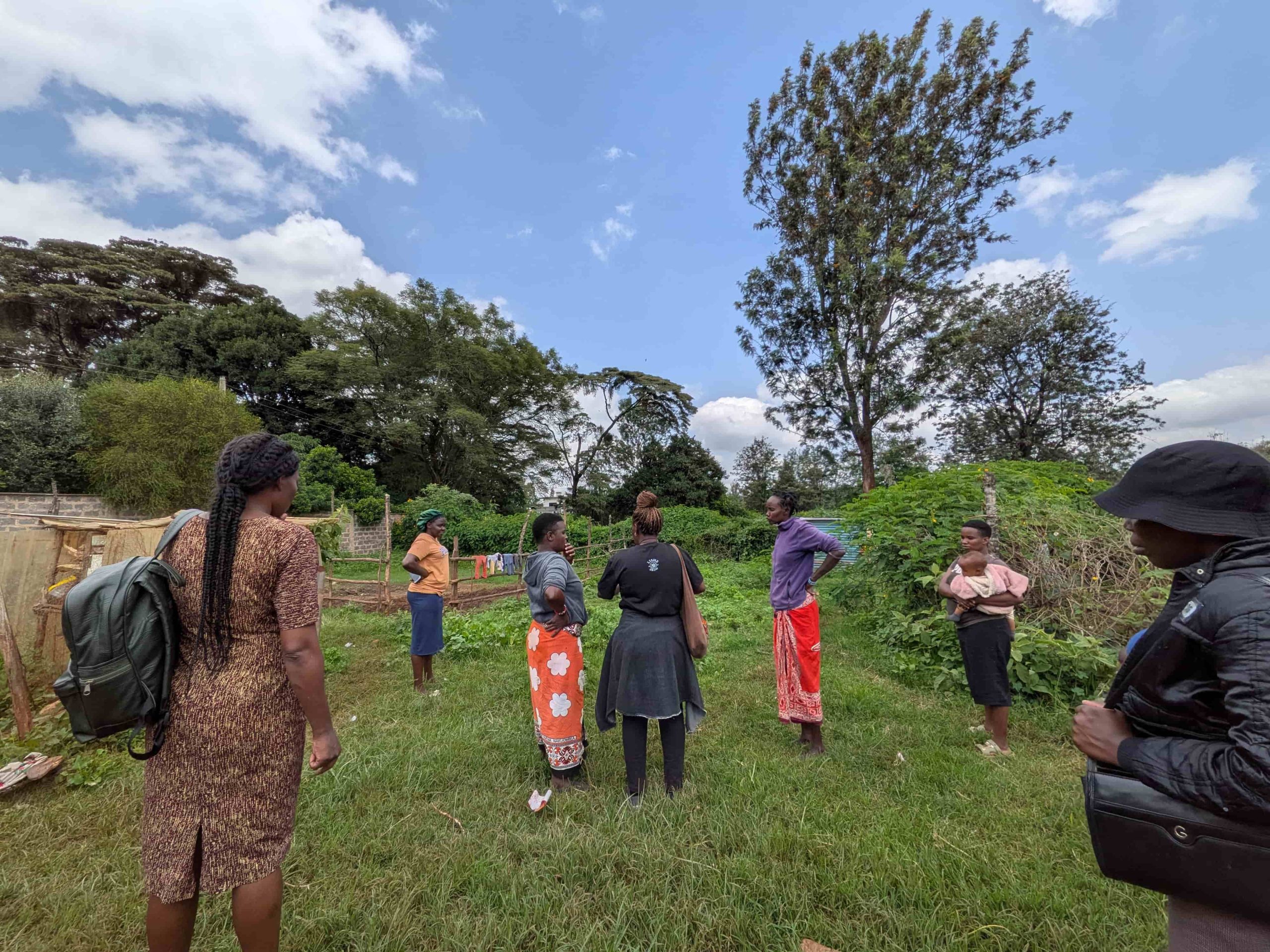
Later that week, we returned to formalize a work plan. Together, we discussed activities, responsibilities, and what crops could be grown. But the project quickly became about much more than gardening.
The women spoke about strengthening their savings groups so that one day they could purchase a cow of their own. There were discussions about raising chickens for eggs and meat. What began as a garden project was evolving into an entire ecosystem of opportunities designed to give women greater autonomy over the food they provide for their families and perhaps even generate additional income.
The long-term benefits began to emerge in conversation. Better nutrition. Improved livelihoods. Increased household income. Greater food security… So much could grow from a single garden.
 It also made me reflect on the central role women often play in feeding their households and caring for their families. What happens when women gain access not only to food, but also to the means of producing it? What possibilities emerge when they have greater control over resources and livelihoods?
One woman shared something that stayed with me.
“My husband owns the cows. Cows are important in Maasai culture. I don’t own them. But I can milk them.”
It was a simple statement, but it spoke volumes about ownership, power, and opportunity.
Perhaps, through this project, she could one day own a cow of her own.
Posted By Rhonwyn Hagedorn
Posted Jun 14th, 2026
1 Comment
Iain Guest
June 15, 2026
Wonderful blog, Rhonwyn! You’ve got such a good grasp on the challenges facing this community, and how Stella’s approach can help. I particularly like the way you describe her way of approach, and how she sees possibilities where others see squalor. The blog is clear, well written and just very informative. This will be very useful to us. Well done!