
Gulu Disabled Persons Union (GDPU) WASH program is built on a fundamental belief: that profound, lasting change begins with the smallest, most consistent actions. We’ve constructed robust 5 stance latrine facilities in seven schools, complete with incinerators, changing rooms and water systems, but we know infrastructure is only half the battle. The real victory lies in fostering a cultural shift, specifically, establishing a consistent, non-negotiable standard of handwashing with soap and clean water for our children at school.
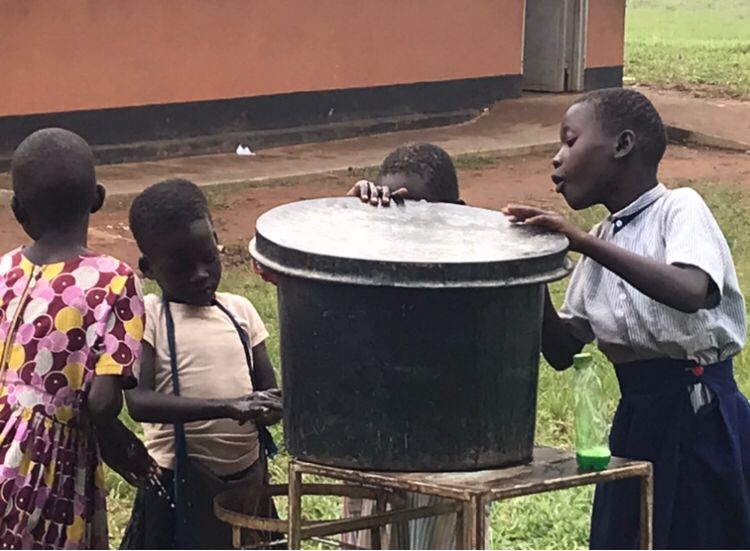
The Culture of Hand Wash is Simple, Yet Key in Establishing Fundamental Behavioral Shifts, Learners of Torchi Primary School Have Embraced this Culture.
In the context of the larger challenges facing our children, from menstrual poverty to high malaria-related absenteeism, it might seem simple to focus on handwashing. But this small act is a foundational pillar of public health. When handwashing becomes a natural, immediate part of the school routine, after latrine use, before eating, it dramatically cuts down on the transmission of diseases, leading to fewer sick days, better attendance, and improved learning outcomes. Significant interventions can only thrive if the simple, essential habits, like handwashing, are mastered first. When a school culture fails to adapt to this basic standard, all other investments are placed at risk.
To eliminate the most common barrier, the issue of budget, GDPU took direct action. As part of our commitment to influencing this cultural shift, we provided 40 liters of free liquid soap to every one of our project schools. This was a clear, zero-excuse intervention, removing the financial obstacle and affirming that every child should have access to soap for a clean, safe learning environment.
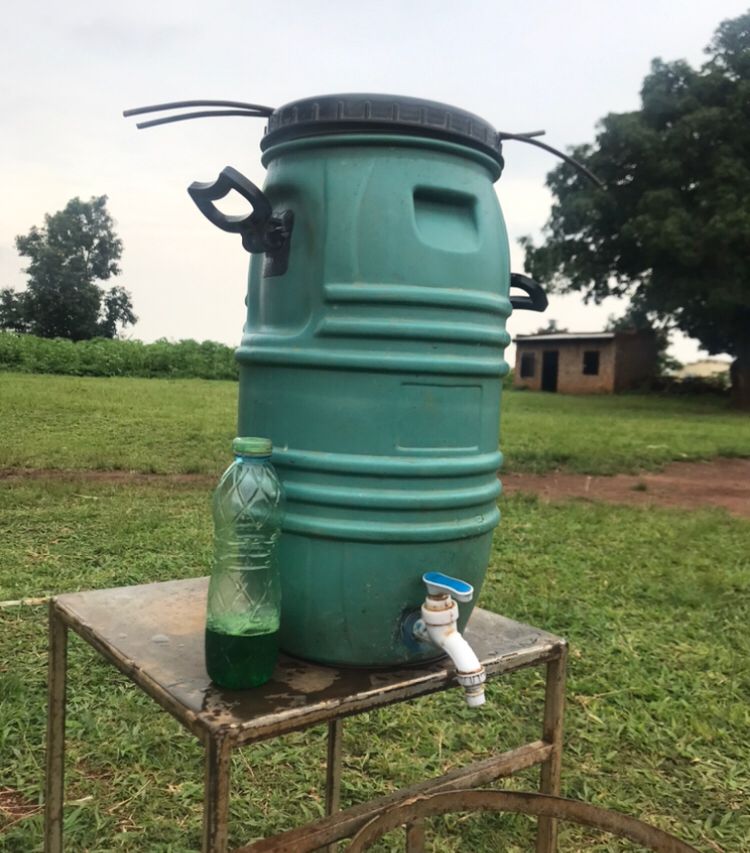
A Hand Washing Station of clean Water and Liquid Soap in Panykworo Primary School.
Our investment is a seed, but its growth requires the fertile ground of local ownership. Our monitoring has revealed a clear divide in how schools are embracing this crucial shift.
Unfortunately, some schools, like Abaka, and Ogul Primary School, have not yet effectively integrated the new hygiene standards. The beautiful new facilities sit in place, but the consistent, daily practice of handwashing with soap often remains sporadic, highlighting a reluctance to fully adapt to and enforce the new culture we are championing. This lack of ownership over the fundamental habit undermines the entire purpose of the WASH facilities.
However, the tide is turning in powerful ways elsewhere. Schools such as Panykworo Primary School and Kulu Opal Primary School have picked up the culture change seamlessly. Their administrators and teachers have internalized the value of consistent hand hygiene, ensuring that the soap and water systems are utilized daily and that the new culture is actively sustained. These schools are the vital evidence we seek, proof that our stakeholders not only see the need for our interventions but are willing to embrace the responsibility and ownership necessary for success.
The core of our WASH program is precisely this: to influence a simple, yet profound, hygiene culture and establish the sturdy foundation upon which all meaningful future changes, in health, education, and equity, can be possible.
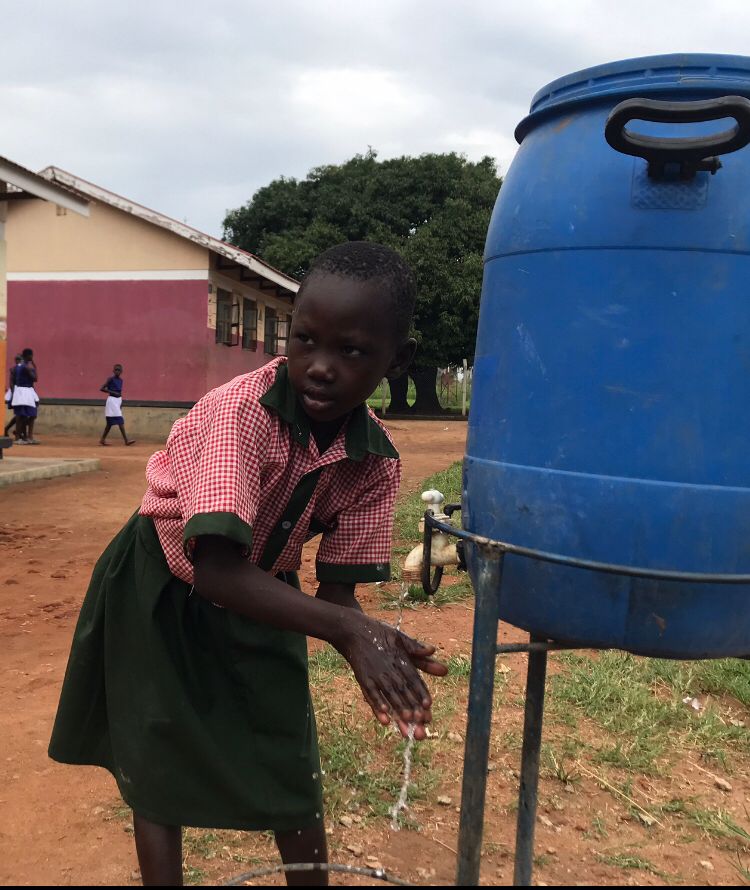
A Pupil of Awach Central Primary School Washes Her Hands with Clean Water and Soap.
We know the challenge of sustainability is the final frontier. We’ve provided the infrastructure, the training, and the soap. But what happens when the 40 liters run out, and the decision falls squarely on the school budget?
The success of a revolution is measured not by the battles won by its founders, but by the commitment of its inheritors. As we move from intervention to integration, the critical question remains: will every school internalize the culture of hygiene and permanently allocate the budget for a simple bar of soap? The answer will define the health and future of a generations to come…
Posted By OKWIR JOSEPH JOHNS
Posted Dec 12th, 2025