

Landing in Gulu – sun, safari, and (exploding) showers!
I’ve just arrived in Gulu, northern Uganda, to spend six weeks working on a Water, Sanitation, and Hygiene (WASH) project. The project involves a partnership between AP and the Gulu Disabled Persons Organisation, which has seen accessible toilets and changing rooms built across seven primary schools since 2015. This is work we can all be proud of – but what’s next?
I’ve got limited (successful) experience of humanitarian work, but starting projects in Malawi and South Africa has given me a notebook full of lessons and an understanding of some common pitfalls.
In Malawi, I’d established ‘Educate Africa’, a platform to raise funds for the Good Hope Primary School in Lilongwe. At first glance, it felt like we were affecting some positive change. Between 2016 and 2023, ‘Educate Africa’ raised £30,000; created opportunities for 11 students in my British secondary school to experience leading the project; and visited the Good Hope School itself three times. We built a classroom, toilets, a perimeter wall around the school, and helped fund a new breakfast programme. But the 13-year-old who came up with the project’s name (!) clearly lacked any PR training, and looking back, some of the money we raised seemed to disappear to ill-defined timelines and poor supervision.
Eight years later – then in my final year of university – I came to Africa again. This time I was based in Knysna, South Africa, as a Lord Laidlaw Scholar. I’d been given £6,000 and five weeks to support the development of ‘Growing Green Minds’ – a project by the fantastic Knysna Education Trust, which piloted an eco-curriculum across primary schools in the local township.
Engaging with a multitude of stakeholders – Rotary Clubs; local government; schools; and other grassroots NGOs – gave the impression things were moving in the right direction. But, as I found out, intuition is a poor guide for effective altruism. Unsurprisingly, humanitarian super-brain Dr William MacAskill had already identified this as the trap I fell into, in his book Doing Good Better.
Indeed, I started basing the eco-curriculum around my idea of a target audience, my idea of resource constraints, and my idea of the developmental milestones which my curriculum needed to hit. However, I quickly realised that whilst some time needed to be spent working from a desk, the school’s contexts and challenges (which the curriculum would be written around) could only be fully understood by being on the ground. So it was no surprise that when I presented my first plan to the Knysna Education Trust staff, it came back covered in red pen and signs of a very rushed fact-finding period. As the old Army adage elegantly puts it, “time spent in planning is rarely wasted, time spent in reconnaissance is never wasted”.
But whilst I knew that sun, safaris, and a strong course of antimalarials were waiting for me in Gulu, so too was a long list of hard-won lessons on effective altruism. The first of which involved wrapping my head around the concept of Monitoring and Evaluation.
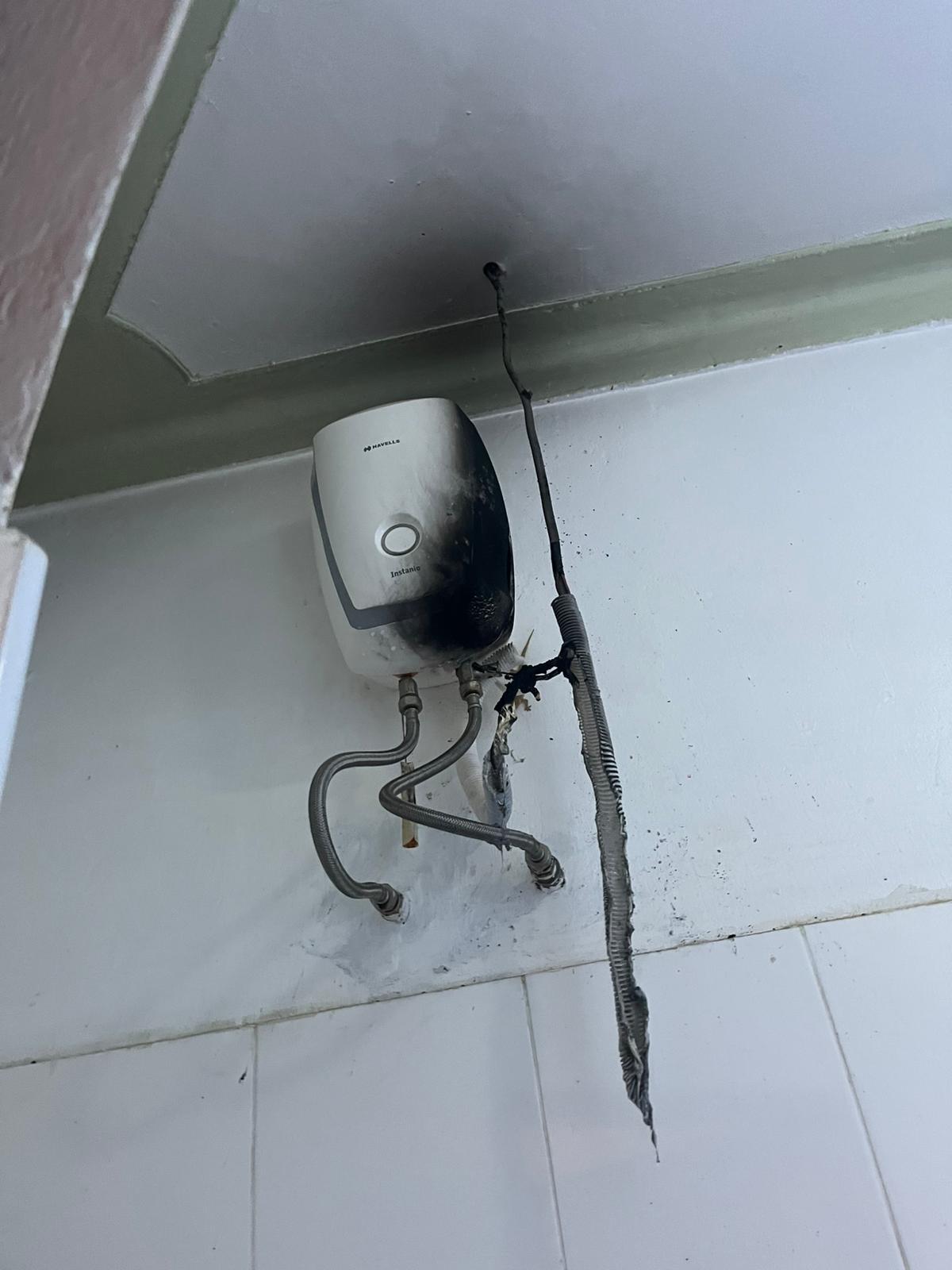
In Gulu: sun, safari, and (exploding) showers.
Monitoring and Evaluation (M&E) is the recipe for successful and sustainable projects: a process used by charities, militaries, and governments worldwide. Put simply, M&E assesses the design, implementation, and results of a certain plan or policy, to assess its effectiveness – more technical information can be read here.
The Gulu Disabled Persons Organisation (GDPO) – whose team I will be joining for the next five weeks – have recently drawn up their own model of M&E. Team Manager Emma, Joe, and 2025 Peace Fellow Aaron (who’s excellent blogs you can read here) have designed a robust system using Google Forms, which I will be supporting the delivery of. The aim is to check if the WASH facilities recently built by GDPO – toilets; changing rooms; water tanks; and provisions of liquid soap – are still operational.
GDPO and AP have invested over $79,500; 11 Fellows; and ten years of work into the development of WASH. But – as my experiences in Malawi and South Africa suggested – it’s not worth committing more resources to a failing project. M&E protects all that is good about charitable initiatives, and ensures that our valuable resources – stretched ever-thinner by USAID cuts – keep going to the right places.
As in Malawi and South Africa, I’m sure I’ll learn many more lessons about Doing Good Better in Gulu. But with a solid M&E system in place, I can hope to avoid the most embarrassing ones.
Posted By Alex McDermott
Posted Oct 1st, 2025
1 Comment
Iain Guest
October 10, 2025
Excellent first blog, Alex! You’ve done impressive work in development and no doubt this will come in handy in Gulu. But, as you point out, well wishers cannot impose their ideas, no matter how sensible they may seem. We at AP always take our cue from our local partners, who always know best! But at the same time, they appreciate and need help. You and Maddy have fitted in really well and made good friends – and that makes it more likely that your advice will be appreciated! I particularly appreciate your explanation about the monitoring and why it matters and look forward to learning more about the tools that Aaron helped to develop and that you’ll be using in your school visits. Off to a great start!