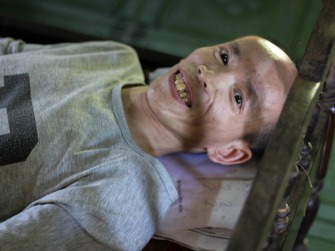
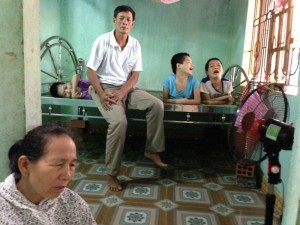
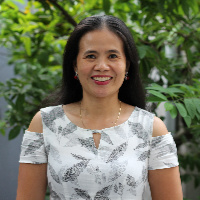
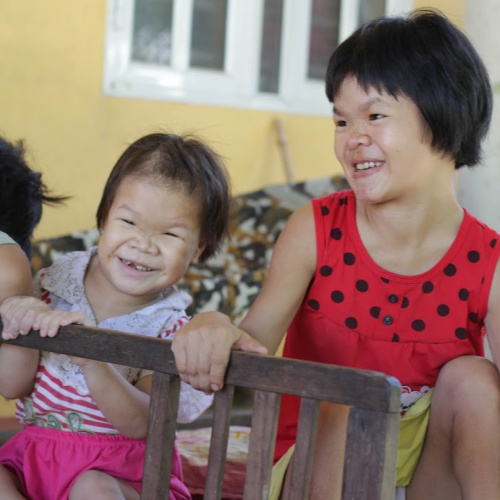
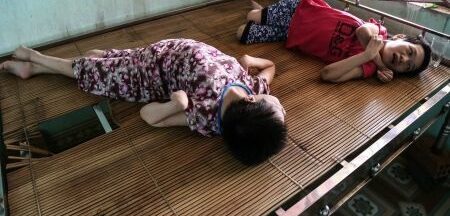
Le Thi Phuong has a neuropathic disorder that caused paralysis
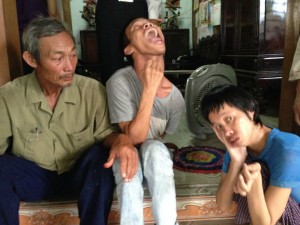
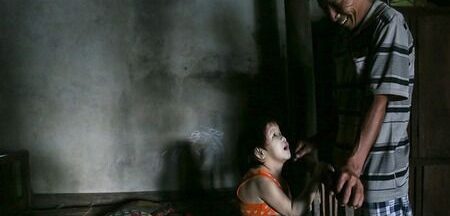
Le Than Duc and his daughters Le Thi Phuong, Le Thi No, and Le Thi Lanh
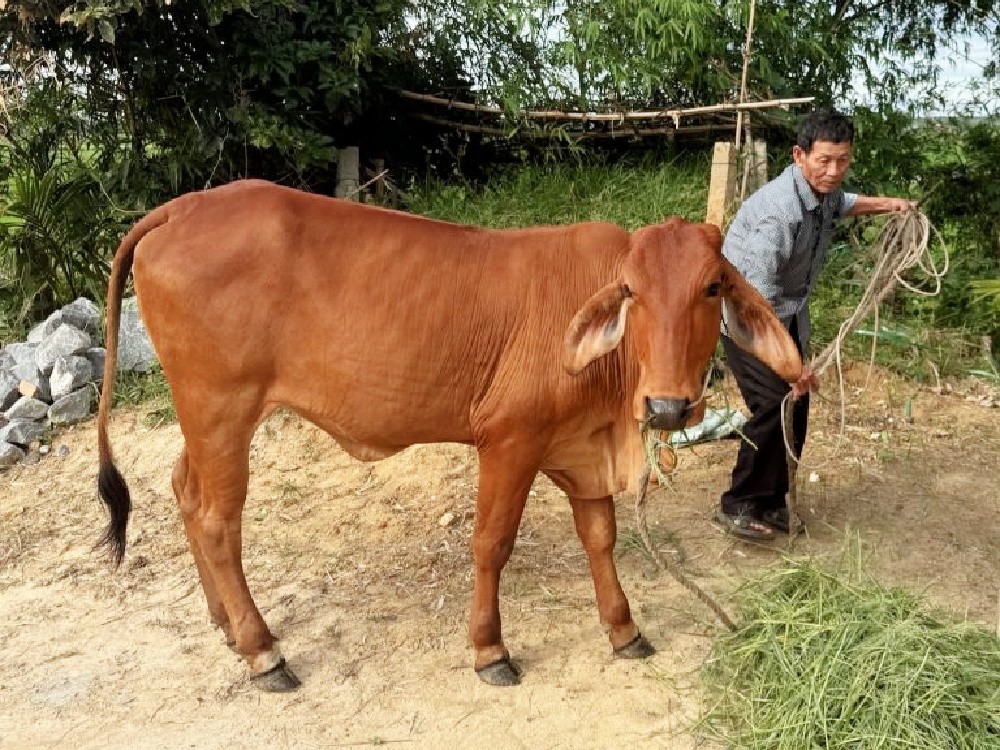
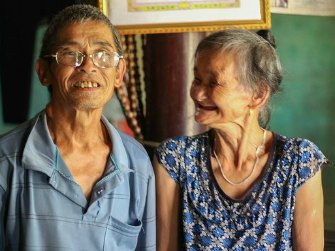
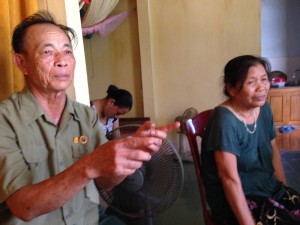
Le Thien Dung lost 12 children to Agent Orange
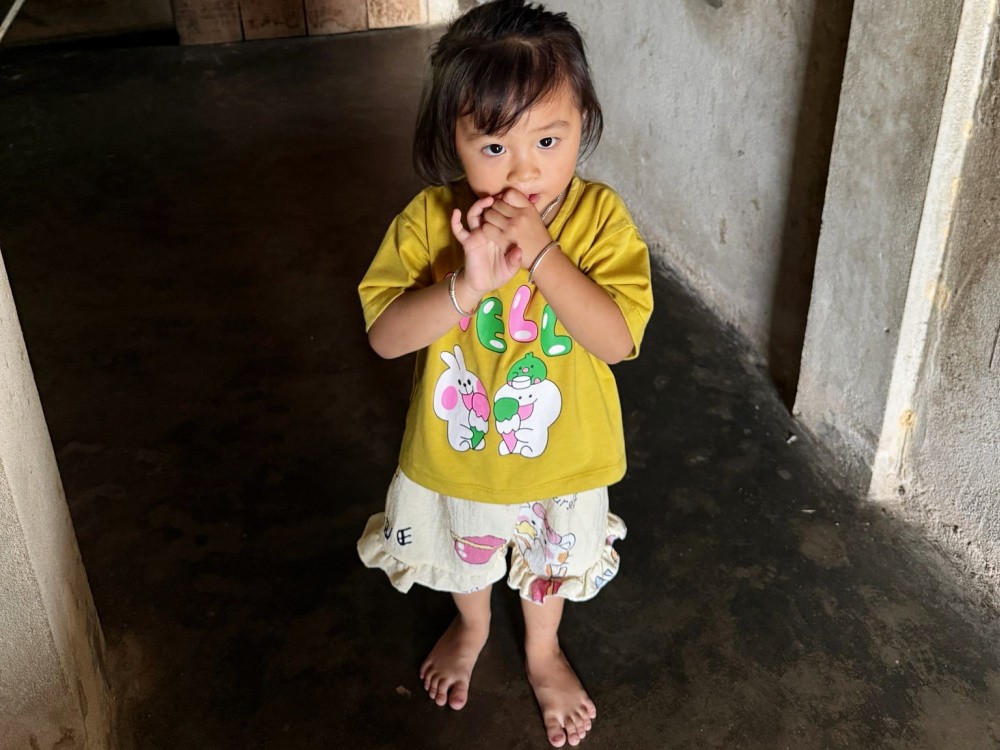
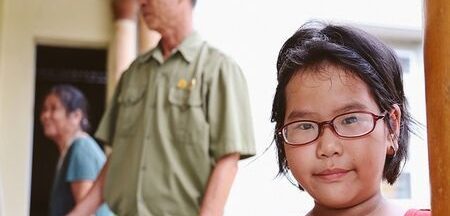
Le Thien Dung and his grand-daughter Hang. Hang suffers from poor eyesight linked to Agent Orange
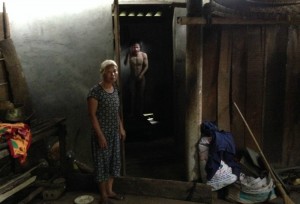
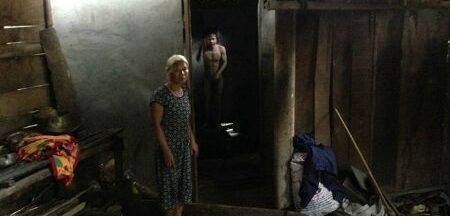
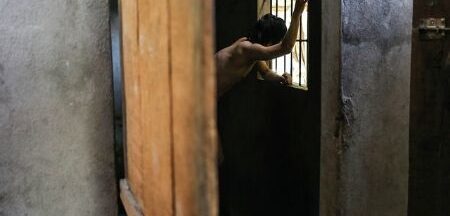
Mai Thi Lo (foregound) and her son Kien, 31. She keeps him chained up as protection against his rage.
Kien, 31, is chained up by his mother Mai Thi Loi to protect them both against his rage.
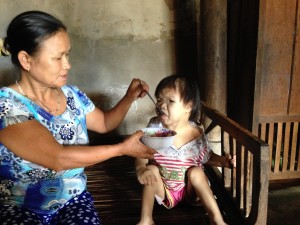
Pham Thi Do and her daughter Lien
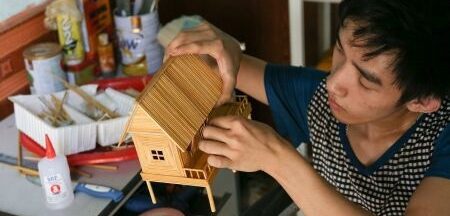
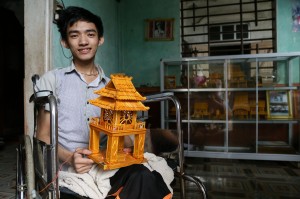
Nguyen Van Tuan, 21, makes model buildings from his wheelchair
Thanh Thi Thao, right, and her daughter Ngo Thi Nhan
Le Thi No and Le Thi Lanh, daughters of le Than Duc
Vision
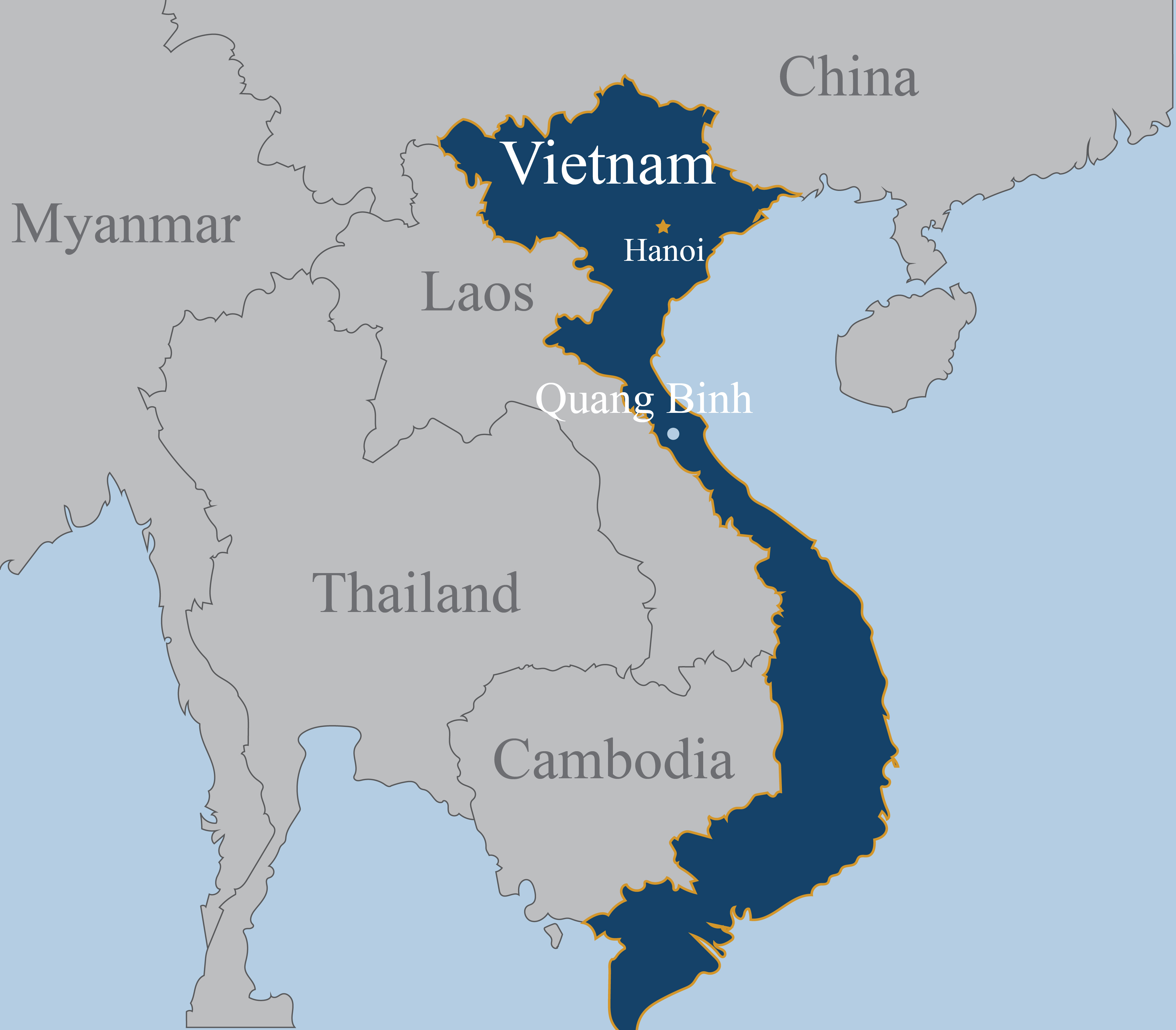
This program is led by the Association for the Empowerment of Persons with Disabilities (AEPD) in Quang Binh province, Vietnam. It supports families that have been poisoned by Agent Orange, the dioxin-laden defoliant that was sprayed over South Vietnam by the US Air Force during the war to deny jungle cover to Viet Cong fighters and soldiers from the North. Quang Binh province alone has registered over 19,000 Agent Orange casualties.
The Advocacy Project has supported AEPD’s work on Agent Orange since 2010, when Simon Klantschi, a Peace Fellow, met with victims and caregivers during his summer fellowship. In the years since, we have sent eleven Fellows to support the program and raised over $30,000 to support livelihood start-ups for 15 caregivers and their families. The full list of beneficiaries and their profiles can be found later on these pages.
Peace Fellows play an important role in this program. Not only do they bring compassion and expertise to the job, but they themselves learn from being directly exposed to one of the greatest war-related tragedies of our time. This is deeply sobering, and leaves a lasting impression. Each year we ask new Fellows to visit as many beneficiary families as possible and update their stories. This is our way of re-affirming out commitment to the families as well as monitoring our investment. Our 2025 Fellow, Angie Zheng, is studying for a Masters at the Program of Conflict Resolution at Georgetown University.
We see this program is a classic people to people initiative. The funding comes from individuals who care and have donated to a series of appeals on GlobalGiving. Once we reach an appeal goal the designated family will work with an outreach worker from AEP to design a project that suits their needs. Some workers are war veterans who were themselves poisoned by Agent Orange.
We believe that this approach is more important than ever following the dissolution of USAID in March 2025. By the end of 2024 US funding for Agent Orange and other war legacy projects in Vietnam was running at around $100 million a year. People to people projects cannot hope to fill the void, but we can build bridges between caring individuals and institutions in the US and Vietnam. The need is certainly great. While the first generation of victims is slowly disappearing, many veterans passed the poison to their children. Grandchildren are also showing many of the same symptoms.
AEPD’s mission is to empower survivors of disability, but victims of dioxin poisoning cannot be empowered. Instead they face a life of worsening sickness and inevitable decline. This is why our program focuses on their caregivers. Cows and buffaloes are particularly useful because they produce milk and calves and can be rented out for farm work. In taking possession of a cow, the families are required to develop a business plan with help from an AEPD outreach worker.
In time, AEPD hopes that this will make the families more credit-worthy and open the door to agricultural credit and other government support. This is particularly important for second and third generation victims of Agent Orange, many of whom do not qualify for government support.
We invite you to meet the beneficiaries through these pages. We also hope you will follow the program through our news service and the excellent blogs and photos of our Peace Fellows (January 2026)
Mai Thi Loi has been struggling since her husband died in 1989 and left her with a legacy of Agent Orange. Three sons have been affected. Nguyen Van Kien, 31, the oldest, is so disturbed that he flies into a rage and breaks up the house if left alone. His desperate mother had no option but to chain him up. In 2016, his younger brother also had to be constrained. AP has raised $1,500 for this family. Read our news bulletin and read more about this family here.
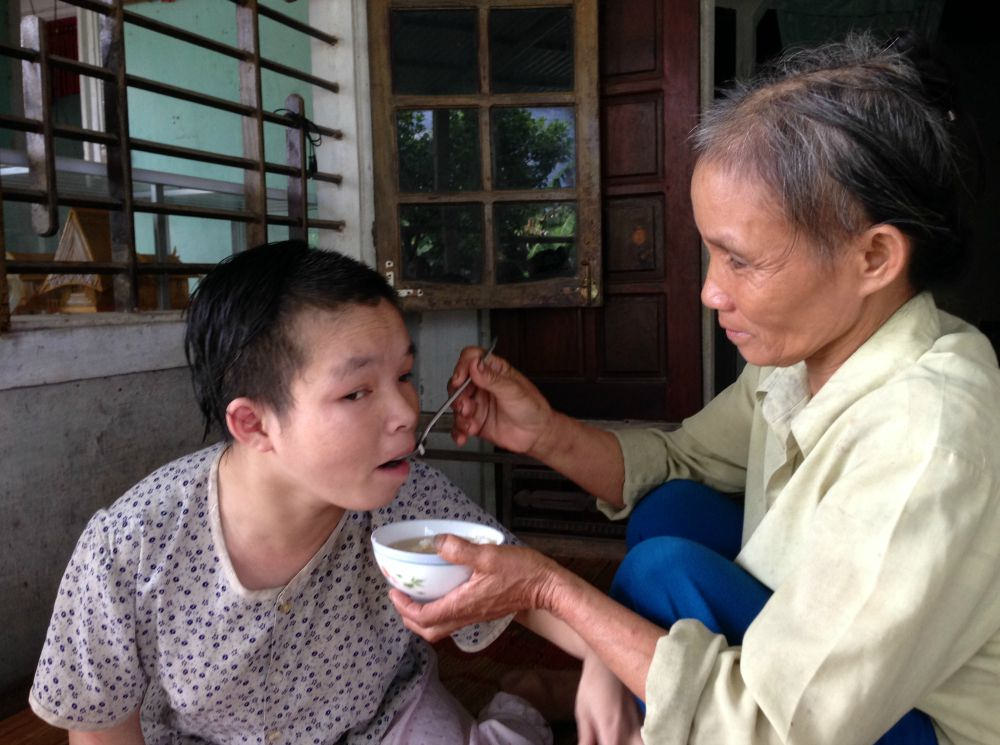
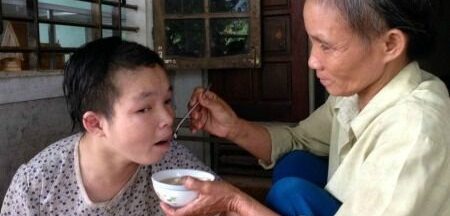
Pham Thi Do feeds her daughter Luyen, one of five children in this family whose lives have been ruined by Agent Orange. Luyen was born in 1992 with cerebral palsy and has been bed-ridden ever since. Her mother says that on stormy days Luyen presses her nails into her hands so hard that they cut her palms. AP has raised $1,435 for this family. Read more about this family here.
Mr. Duc was exposed to Agent Orange while serving in the Army and passed the poison to his three daughters, who are virtually paralyzed. The couple suffered more heartbreak in 2014 when their youngest son was killed in a motor accident. Yet, when AP visited in 2015, 2016 and 2017 Mr. Duc was undaunted. Helped by AEPD, he has launched two small businesses and appeared on television as an advocate. AP has raised $1,500 for this family. Read more about the family here.
Visit the Profiles tab to meet more stakeholders.
Background
Background
Seth McIntyre, center, a graduate student at Brandeis University. helped AEPD organize the first-ever needs assessment of 500 Agent Orange victims in Quang Binh province.
The Association for the Empowerment of Persons with Disability (AEPD) began life as the Vietnam Landmine Survivors Network before expanding to all forms of disability, particularly those caused by the war. AP has deployed graduate students (Peace Frllows) to volunteer at AEPD since 2008.
In 2014, AP and AEPD asked Peace Fellow Seth McIntyre to survey 500 families in the province of Quang Binh that were receiving compensation from the government for Agent Orange. Seth came to an important conclusion: while the needs of victims were great, the burden of Agent Orange was falling most heavily on their caregivers, any of whom were aging widows.
As a result AEPD and AP decided to focus on the special needs of caregivers. AEPD identified eleven severely-affected families in Quang Binh and arranged for the 2015 Peace Fellow (Armando Gallardo) and Iain Guest from AP to visit each family in the company of an AEPD Outreach Worker. Our 2016 Peace Fellow Ai Hoang raised funds for three families through online appeals. Ai’s father visited AEPD during a trip to Vietnam and funded a fourth family – that of Le Tien Dung and his wife who lost 12 children to Agent Orange. This rounded off a remarkable gesture of reconciliation by Ai’s family, which had left Vietnam years earlier as refugees.
Victims: Dioxin poisoning stole up on Tuan in his mid-teens. Prevented from attending school by his illness, Tuan made model buildings from chopsticks until he died from hemophilia. Read his story here.
Our 2017 Peace fellow Jacob Cohn visited the five families that had received funding up to this point and launched his own online appeal for a sixth family, Duong Thi An, and her three children. Jacob reached his target by the end of July and helped AEPD outreach workers to draw up a business plan with Ms An. He also also helped AP launch an appeal for the family of Phan That, which had been devastated by a combination of Agent Orange and fierce storms.
Marcela de Campos (University of Maryland) was the next Fellow to work at AEPD in 2019. Marcela maintained the high standards set by previous Fellows. She raised funds for two new families, updated the existing profiles and added superb photographs. Mia Coward, also from the University of Maryland, followed Marcela as the 2019 Fellow and brought the stories up to date.
The pandemic forced us to suspend fellowships, but we continued to raise funds for affected families – two in 2021, two in 2024 and two in 2025. Our 2025 Fellow Angie Zheng from Georgetown University, profiled the new families and brought several other stories up to date.
All of this in an effort to put a human face on the tragedy of Agent Orange.
Challenge
Challenge
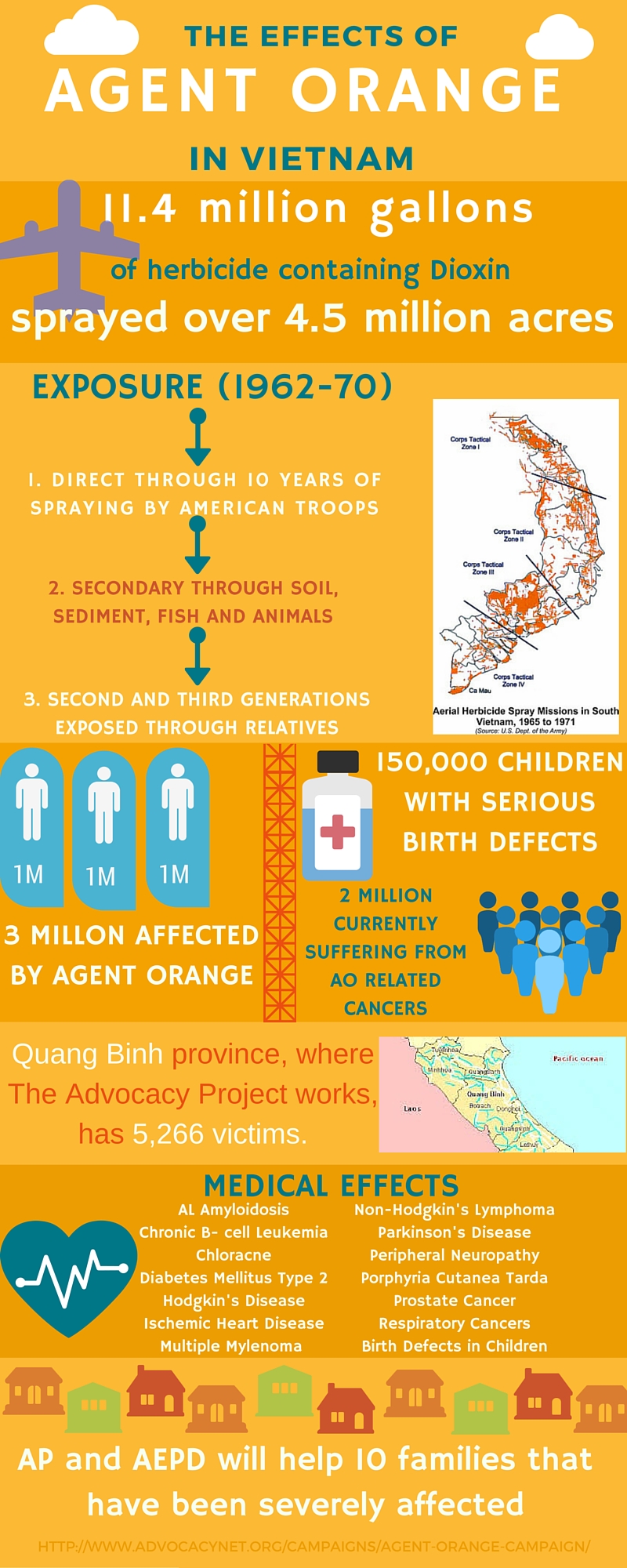
The challenge: Dioxin from Agent Orange has poisoned up to 3 million Vietnamese and placed a heavy burden on caregivers.
Between 1960 and 1972, during what was known as ‘Operation Range Hand’, the US Air Force dropped around 20 million gallons of herbicides over South Vietnam, Laos and Cambodia. Of this, around 11.4 million gallons (76 million liters) were Agent Orange, a highly toxic organic pollutant.
Drawing on a strategy employed by the British in Malaysia, the US hoped to deprive Viet Cong fighters, and soldiers from North Vietnam, of forest cover. According to the Vietnamese government, 4.5 million acres of land – around 10% of the country – were sprayed. (For more on Operation Ranch Hand read this blog by 2024 Peace Fellow Seth McIntyre).
The dioxin entered the food chain, triggering a wide array of medical conditions and cancers in Vietnamese and American service-members and their families. The Vietnamese Red Cross has estimated that over 3 million Vietnamese are affected.
Agent Orange comlicated relations between the governments of the US and Vietnam until 2007, when advocates from Vietnam and the US laid the basis for a less recriminatory approach by establishing the US-Vietnam Dialogue Group on Agent Orange/Dioxin. Presidents Obama and Truong Tan Sang built on this by developing a new “comprehensive partnership” in July 2013 that included a commitment to clean up heavily sprayed “hot spots,” including the former airports of Da Nang and Bien Hoa.
While any action was welcome, AEPD felt that this approach focused too much on the environment and too little on people. The policy also sidestepped the real problem: veterans who had been exposed to spraying in the hot spots had carried the poison back to their families across Vietnam. This crisis was nationwide.
US Senator Patrick Leahy took the lead in pushing for a broader policy and in 2015 the Senate released $20 million to USAID to support several pilot programs in Vietnam. The funds were divided between southern provinces (Dong Nai, Tay Ninh, Binh Phuoc, and Binh Dinh) and the central and northern provinces (Quang Nam, Hue, and Thai Binh). In addition, USAID sought to make medical services more accessible to victims of Agent Orange.
While this expansion was welcome, it still focused largely on provinces that were heavily sprayed. This excluded Quang Binh, which had been lightly sprayed (3,800 gallons) but had sent many soldiers to fight in the south who were themselves exposed and exposed their own children to diozin poisoning. The 2015 survey by AEPD and the government estimated that 5,266 AO victims were living in the province. The government figure was almost 20,000.
USAID’s champions in Congress drew heavily on the horror of Agent Orange to secure funding, but USAID officials felt that singling out victims of Agent Orange would discriminate against other forms of disability. As a result, the program offered support to all victims of war-related disability. The USAID approach also aimed at helping victims with a disability. While their medical needs are great, AEPD argues that the burden of Agent Orange had fallen on the entire family, particularly the caregivers. This emerged from the 2015 survey conducted by AEPD and AP.
As our knowledge of Agent Orange has deepened, other problems have emerged. The Vietnamese government compensates AO victims, but the amounts are often inconsistent and insufficient. Furthermore, third generation victims (grandchildren) do not qualify.
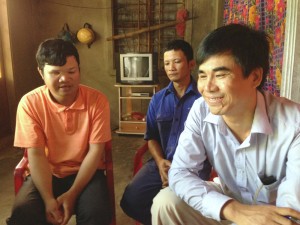
In touch again: Le Quoc Huong (left) an Agent Orange victim, first met Luong Thanh Hoai (right), at an eye hospital in Hanoi in 1988. Today, Mr. Hoai advises Luong’s family as an AEPD outreach worker.
AEPD’s Agent Orange campaign rests on the sturdy shoulders of outreach workers who have themselves recovered from the wounds of war and dedicated themselves to helping others. We hope that their contribution is fully acknowledged in these pages.
AP Fellows have got to know these remarkable individuals well through the years. In 2010, Peace Fellow Simon Klantschi wrote a glowing blog on Luong Thanh Hoai, who lost his left arm and right eye during the war against China in 1988. A man of rare determination and talent Mr Hoai won a silver medal in the javelin and discus at national games. He and Simon became close friends.
Five years later, Luong Thanh Hoai was back on the front lines, helping to identify Agent Orange families in the district of Le Thuy, which he covers for AEPD. In a strange twist, he also met an old acquaintance while introducing AP to the family of Mrs. Duong Thi An, one of the caregivers profiled on these pages. Mrs. An’s second son, Le Quoc Huong, appears to have lost his eyesight to Agent Orange. He began to encounter problems with his eyes around the age of ten and receives Agent Orange compensation from the government. After several operations, he is almost blind.
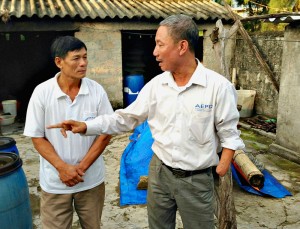
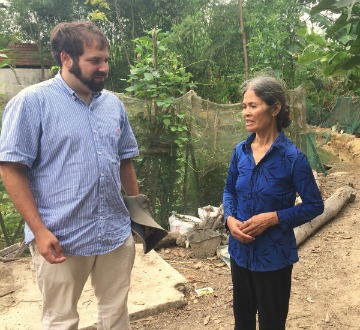
Veterans together: Le Thanh Duc, left, an Agent Orange victim, gets sage advice from Outreach Worker Nguyen Van Thuan
As fate would have it, Le Quoc Huong passed through the eye hospital in Hanoi in 1988, around the same time that Luong Thanh Hoai, the AEPD outreach worker, was brought in for an emergency eye operation after being wounded. They were then reunited when Mr. Hoai started working in the district in 2013. This helps to calm the younger man. “After talking with me the son is more confident,” says Mr. Hoai. ” He is not afraid to talk to strangers. Also, we help to break down the barriers with their neighbors.”
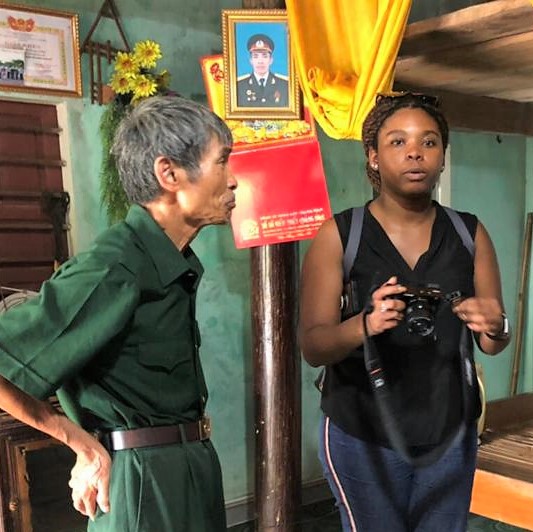
We saw the same chemistry at work when Nguyen Van Thuan, another AEPD outreach worker, took us to meet AO families in Bo Trach district. Mr. Thuan lost an arm and most of his second hand to unexploded ordnance (UXO) and had only recently begun to work with Agent Orange families. As a former veteran himself, he expressed admiration for the families: “To suffer from dioxin poisoning is a mark of courage. It means you fought bravely in the war,” he says. One of his clients, Le Thanh Duc, who is struggling to care for three severely disabled daughters and a depressed wife, listened carefully as his fellow veteran gave him advice on how to sell his fish sauce (photo).
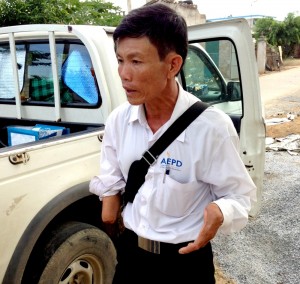
Outreach Worker Loan Van Thai
Loan Van Thai, a third AEPD outreach worker who helps Agent Orange families, had a terrible war. He lost his right hand and suffered severe wounds in a leg after being shot at from the air. He then spent 6 years in a Hanoi hospital while doctors tried to save his leg, and emerged with one leg significantly shorter than the other.
A true survivor, Mr. Thai feels that he is stronger because of his ordeal, and better able to provide peer support to the Agent Orange families. “Some victims won’t talk to normal people,” he says. “There are special ways to communicate with people with disabilities. To encourage them I tell them my story, about the time I had to be brave. I can also help them to get special medical care.” When his own spirits start to flag, Mr. Thai goes fishing.
Part business advisors and part personal counselors, these outreach workers serve as a bridge between the Agent Orange families and government services. We hope that this campaign will help to cover their costs and enable AEPD to recruit more like them.
Profiles
Supported families
These pages profile the 15 families to have received support from AEPD and AP since 2014. Click on their names to bring up their profiles.
Kiem’s family is the latest to benefit from the AEPD/AP program. Kiem himself was exposed to dioxin poisoning through his father, a veteran, and has suffered from infertility ever since. After years of trying to produce children, Kiem and his wife Minh adopted baby Anh (photo) in Ho Chi Minh City. The family wants a cow but also needs a new roof. 2025 Peace Fellow Angie Zhang visited the family and helped to raise $1,000. AEPD will help them develop a business plan in early 2026.
Từ (far left) is partially blind, has limited mobility in his left arm, spinal problems, and a speech impairment. His son (second from left) also shows signs of poisoning and is severely underdeveloped, weighing only 28 kilograms (61 pounds) at 14. AEPD and AP have raised $1,000 for a breeding cow and roof reinforcement.
Sen is a single mother and second-generation survivor of Agent Orange, living with the lasting effects of exposure: a repaired cleft lip, a speech and hearing impairment, mild intellectual disability, physical weakness, and chronic pain. Her daughter, now in eighth grade, often translates for her so others can understand. AEPD and AP purchased a cow for the family in 2024.
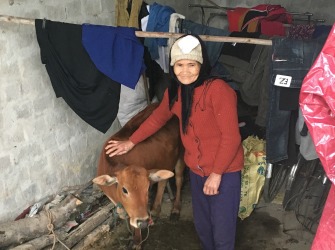
Thảo, 42, and her husband Cảnh, 81, are a devoted couple. Cảnh knew Thảo’s father from the war and married her after her first husband died, to provide support and protection. They have two children and share the household chores, with Thảo taking on the heavier tasks. AEPD and AP have purchased a breeding cow for the family.
Toa’s husband was exposed to Agent Orange during the war and died in 2005 from stomach cancer. Three of his six children are affected by Agent Orange. In 2016 Toa’s son Long began to have epilepsy symptoms, forcing her to sell a cow to cover his care. AP paid for a second cow and calf in 2018. Toa’s oldest son Lam (left) is confined to his bed. Read about the family here.
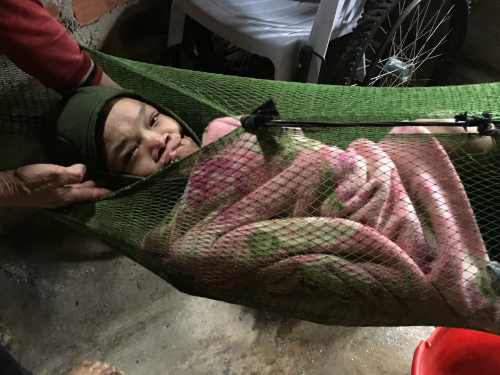
Mr. Nguyen Ngoc Thinh joined the Vietnamese army in 1984, nine years after the end of the war but this did not save him from being exposed to Agent Orange and passing it on to his five children. Only two sons remain alive and both have cerebral palsy. The oldest, Nguyen Van Lan, 30, (left) lives tightly wrapped in a hammock because he does not have physical control of his body. Since Mr. Thinh did not serve in the war his two children do not receive compensation. AP bought a cow and a calf for the Thinh family in 2018. Read their full story here.
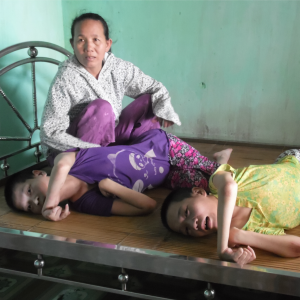
Nguyen Huu Phuc and his wife, Nguyen Thi Thanh, live in the Tuyen Hoa district of the Quang Binh province with their son, Nguyen Van Tam, and daughter, Nguyen Thi Nam. The couple had eight children, five of whom were affected by Agent Orange. Two died. The remaining three – Tam, Nam, and Nguyen The Bay – survived. AP donated a cow for the family Read their full story.
Three of An’s children have been severely affected by Agent Orange. She is pictured here with her second son, Huong and daughter Hoa. Huong lost his right eye at the age of nine and is losing the sight of his second eye. Hoa, now 35, was born with Down syndrome. 2017 AP Peace Fellow Jacob Cohn raised $1,500 for the family and visited them twice in the summer of 2017. He writes: “It was great to see our work and everyone’s generosity pay off!” Read Jacob’s report on this family.
Duong Thi Hue and her husband both served in the war and were exposed to Agent Orange. Five of their six children are also affected. Their two daughters, Duong Thi Binh, 28, and Duong Thi Hong Thanh, 26, were born without symptoms but eventually became violent and a threat to the family. Mrs. Hue had to lock them at the back of the house, where they have been chained up for the past 5 years. AP raised money to purchase a cow for this family (left). Read Mrs. Hue’s story here.
Phan That, left, was exposed to Agent Orange during the war and has passed dioxin poisoning to his son, Pham Van Linh, 31, and his daughter Pham Thi Linh, 37. Adding to Mr. That’s troubles, the family house is built on low-lying land and is regularly flooded by storms which are growing more severe because of climate change. AP has raised $2,000 for this family. Read more.
Mai Thi Loi has been struggling since her husband died in 1989 and left her with a legacy of Agent Orange. Three sons are deeply affected. Nguyen Van Kien, 31, the oldest, is so disturbed that he flies into a rage and breaks up the house if left alone. His desperate mother had no option but to chain him up. In 2016, his younger brother also had to be constrained. AP has raised $1,500 for this family. Read our news bulletin and read more about this family here.
Pham Thi Do feeds her daughter Luyen, one of five children in this family whose lives have been ruined by Agent Orange. Luyen was born in 1992 with cerebral palsy and has been bed-ridden ever since. Her mother says that on stormy days Luyen presses her nails into her hands so hard that they cut her palms. Mrs Do’s youngest son Tuan died in late 2018 at the age of 23 from hemofilia, linked to dioxin poisoning. AP has raised $1,435 for this family. Read more about this family here.
Mr. Duc was exposed to Agent Orange while serving in the Army and passed the poison to his three daughters, who are virtually paralyzed. The couple suffered more heartbreak in 2014 when their youngest son was killed in a motor accident. In spite of these tragedies Mr. Duc remains undaunted. Helped by AEPD, he has launched two small businesses and appeared on television as an advocate. AP has raised $1,500 for this family. Read more about the family here.
Le Van Dung and his wife Dang Thi Miet have produced thirteen children and lost twelve to Agent Orange. One child lived for eight months and the couple hoped she would survive, but it was not to be. Their thirteenth child, Li Thi Ngoc Thuy, has severe symptoms. One of Li’s daughters, Le Thi Phuong Thao, has problems with her eyes that are linked to Agent Orange, but the government does not compensate third generation victims. AP has raised $1500 for this family. Read more about this family here.
Tran Thi Tao feeds her daughter Ngo Thi Thanh Nhan, 24. Nhan is one of three daughters in this family who are afflicted by dwarfism as a result of Agent Orange. She has never spoken and – according to her parents – can do little except eat and sleep. Nhan cannot even use a toilet and her bowel movements are irregular. Her parents do what they can by pumping water into her rectum. They hope to take her to see a specialist to fix the problem, but understand that this would be very expensive. AP has raised $1,500 for this family. Read more about this family here.
Team
The AEPD Team
Ms. Nguyen Thi Thang Hong, Chairperson
As the AEPD chairperson, Mrs Hong provides general guidance for the organization, coordinates with donors, and reports to the Executive Board as well as the provincial congress. Ms. Hong is responsible for overseeing program implementation, conducting advocacy, and developing partnerships. Prior to AEPD, she worked as the Operations Manager for the Survivor Corps/Landmine Survivor Network (LSN) in Vietnam. This involved liaising between the organization’s local administration, network staff, and relevant district and provincial authorities. In addition to the technical expertise she acquired at LSN, Mrs Hong is helped by the skills she cultivated from working in the Foreign Relations Section of the Office of Quang Binh Provincial People’s Committee and the Foreign Affairs Department of the International Cooperation Section. Ms. Hong advances AEPD’s mission to improve the quality of life of persons with disabilities by consulting regularly with all stakeholders sustainably.
Ms. Nguyen Thi Phuong Hao, Program Manager
As the AEPD program manager Ms Hao is responsible for developing future programs and proposals and managing, coordinating, and implementing currently funded project. Prior to AEPD she earned a Master of Arts in Environment, Society and Development at the National University of Ireland in Galway. Ms. Hao also served as the project coordinator for German International Cooperation in the Phong Nha Ke Bang region. Her other professional experience includes working for Counterpart International Vietnam. At the core of her expertise is development and implementation of projects for vulnerable and marginalized persons. Ms Hao translates this into innovative projects for persons with disabilities and their networks.
Ms. Le Thi Mai Ngoc, Project Coordinator and Monitoring and Evaluation Officer
Since graduating in 2015 with a law degree from the University of Economics and Law in Ho Chi Minh City, Ms Ngoc has supported AEPD by facilitating legal procedures, managing, monitoring, and evaluating projects. As coordinator, she implements grants that provide capacity-development and vocational training support to women with disabilities, landmine survivors, Agent Orange caregivers, and children with disabilities in Quang Binh province. Ms Ngoc is also responsible for volunteer coordination and is the point person for AEPD’s Outreach Workers. During many field visits she has cultivated a strong skill set and understanding of working for PWDs. She is passionate about empowering all persons with disabilities and hopes for a society where these vulnerable populations can harness their agency, live more independently, and thrive.
Mr. Truong Minh Hoc, Outreach Worker
Mr. Hoc joined the Vietnamese army in 1977, after the American War ended. Part of his job was to clean up remaining dioxin barrels in the region and this exposed him to dioxin poison–Agent Orange. He became a Commander of the Company and Battalion by the Army Officer College of Corps 678 in 1983. In 1984, Mr. Hoc was shot in his right leg in Laos. His recovery in Hanoi lasted through six years and eight surgeries. After his recovery, Mr. Hoc began working as an Outreach Worker for AEPD’s predecessor, Landmine Survivor Network, in 2006. He firmly believes that persons with disabilities should support one another to develop resiliency, social inclusion, and better opportunities. Since 2006, Mr. Hoc has given trainings on monitoring and evaluation. He has also trained trainers (TOT) in community-based disaster risk management; working with children with disabilities; startup and business development; community-based rehabilitation; and supporting persons with disabilities with health care. This has involved working with such organizations as AEPD, Plan International, Give2Asia, James Madison University, and the Center for Rural Development in Central Vietnam. Mr Hoc acts as the bridge between AEPD and its beneficiaries. His commitment to AEPD’s mission and persons with disabilities is invaluable. For more information about Mr. Hoc, click here.
Mr Hoang Van Luu, Outreach Worker
In 1967 Mr. Luu’s parents were killed by a B-52 bomber during the American War. Four years later, at the age of seven, Mr Luu himself lost his right forearm and three fingers on his left hand from unexploded ordnance (UXO). After the accident, Mr. Luu found it quite difficult to adjust and decided to create a different life for himself. His hard work paid off when he was accepted by Hue University, one of the top schools in Vietnam, to study biology. Due to unforeseen circumstances, Mr. Luu left Hue University and learned various trades such as animal husbandry and stove building. He also pursued a career in construction. Impressed, the Landmine Survivor Network recruited him to become an Outreach Worker in 2003. He has been a dedicated member of the team and has supported countless persons with disabilities and their families for the past 15 years.
Mr. Nguyen Van Thuan, Outreach Worker
Mr. Nguyen Van Thuan became an engineer for the Vietnamese army in May 1978. Three months later he embarked on a mining mission in Cambodia where a landmine accidentally exploded in his hands, destroying his entire left hand and three fingers on his right hand. He returned from the mission defeated and unemployed. The recovery was physically and emotionally challenging but he slowly adapted to his injuries by teaching himself to drive a motorbike. He also opened up a small sugar cane juice business. Mr. Thuan started as a security guard for the Landmine Survivor Network in 2003. He soon realized he wanted to take on a more active role within the organization and was recruited as an Outreach Worker for AEPD. When Mr. Thuan engages with AEPD’s beneficiaries, he highlights their human dignity. He is compassionate but firm – reminding them of their worth and abilities. He leads by example and draws on his own expertise to help beneficiaries to adapt and overcome. For more information about Mr. Thuan, click here.
Ms. Nguyen Thi Thao, Accountant
Since joining the AEPD team Nguyen Thi Thao has focused on managing and controlling the organization’s bank accounts. She also helps to develop budget proposals, study and analyze financial requirements of donors, helps with monitoring revenues and expenditures to ensure that all expenses in the organization are in accordance with principals and financial regulations. She also maintains and prepares all tax and financial reports and contracts. Ms. Thao is an essential part of helping the AEPD team organize their budget and finance procedures.
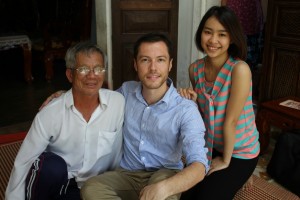
During her fellowship, Angie followed up with two families that had received cows in 2024 and profiled two new families that were funded in 2025. One of the 2025 beneficiaries, Võ Thị Thảo, 42, seen in the photo, has been severely affected by Agent Orange and married one of her father’s friends, now aged 81, for support. Their partnership is warm, but puts a strain on them both:
Mia’s fellowship in Vietnam was her first foreign travel and she arrived full of apprehension. That quickly vanished when she met with Agent Orange families who had endured incredible suffering but remained upbeat and friendly:
Marcela visited eleven families that had received grants from AEPD and AP before 2018, and helped to raise another $2,000 for another two families. She produced strong photos and blogs, and – like other Fellows – became very close to some of the families and understood their anxieties:
Jacob wrote 17 thoughtful blogs during his ten weeks at the AEPD. Through them he described his visits to six families that have received funding through AP and his own feelings as a young American who is confronted with the legacy of the Vietnam War. Jacob also raised $1,500 for the family of Ms. Anh, seen in the photo and trained a volunteer, Dat, to manage the AEPD website. His blogs are a must-read for anyone interested in conflict:
Ai Hoang’s family escaped from Vietnam after the war. Her fellowship offered her an opportunity to return and give back to the land of her birth. She threw herself into the assignment and has raised funds for no fewer than four of the 15 families. Ai also visited several families and produced powerful blogs. She developed a special rapport with Mai Thi Loi.
Armando, a professional photographer and student at the UN University in Costa Rica visited families with Iain Guest from AP and produced a series of powerful photos and profiles of Agent Orange victims and caregivers, including Le Van Dung:
Peace Fellow Seth McIntyre, a student at Brandeis, was asked by AP and AEPD to survey 500 affected families in Quang Binh province. Seth also produced powerful profiles on veterans and their families, which helped to explain the compensation policy of the Vietnamese government. Seth’s superb photos have received over 12,000 views and included this portrait of Le Xuan Thuy, a cluster bomb survivor. He found it awkward to be an American at some of the meetings:
Kelly Howell, a PHD student, was the first Fellow to study the devastating impact of dioxin poisoning, particularly on second generation victims. Kelly also introduced AP to the family of Le Thanh Duc, seen in the photo, who has since met all visiting Fellows:
Fellow Jesse Cottrell wrote strong blogs and produced an excellent video (featured below) on the three Phan siblings – three survivors of Agent Orange who have built a thriving hairdressing business. Jesse also helped two AEPD beneficiaries to stitch their stories for the Vietnam Disability Quilt, seen below on this page. One of the artists, Cao Thi Mien, told Jesse how she had received her injuries:
Simon Klantschi, from Switzerland, was the first Fellow to meet with Agent Orange survivors. In one affectionate blog he profiled the inspiring Mrs. Hue, who sold beer and yearned to be an opera singer:
(2025) Angie Zheng meets the Phuc family and their daughter. “(Mrs Phuc’s daughter) is lying on a wooden bed under a blue mosquito net. The light is dim, cool, a relief from the heat outside. She looks up at us and smiles, her mouth opening wide. Mrs. Phuc sits on the bed beside her, holding her hand as she introduces her. Mr. Phuc stands at the foot of the bed, listening quietly. They speak to her in Vietnamese — their voices soft, warm — and her smile widens. Before we leave, I ask if we might take a photo of the family together. They agree. We walk back to the bedroom, where their daughter is still lying. Mrs. Phuc leans over her and begins adjusting her blouse, smoothing the wrinkles with her hand. She murmurs something, low and rhythmic, as if just for her daughter. Her daughter laughs, her grin stretching across her face. It is such an ordinary gesture, but I find myself holding my breath as I watch. This is a kind of love that does not need an audience, a camera, a visitor from far away. It is the love that sustains this house every single day.”
(2016). Ai Hoang and Iain Guest meet Mai Thi Loi, her cow (named ‘Opportunity’), and her youngest son Nguyen Van Hung. The video music is “Yangtze River” by Derek Fiechter.
(2016) Peace Fellow AI Hoang and Iain Guest meetLe Thanh Duc and his family. The music is “Cherry Blossoms” by Derek & Brandon Fiechter.
(2016) The Xoan family gets a buffalo! Left: Fellow Ai Hoang and Iain Guest are on hand to see Pham Thi Doc and her husband Nguyen Van Xoan take possession of a cow. The money for this family was raised by Ai and her own family members in the US.
(2016) Peace fellow Ai Hoang records the sweet voice of Ms Huong, a beneficiary of AEPD, singing Blooming Flower. The lyrics are as follows: “I used to wish that I wasn’t myself. I used to wish that I could be like everybody else. So, I could live an easy & carefree life. So,I could live the life that I had always dreamed of. But then I realized, my heart is capable of unconditional love, And it is filled with big dreams. I realized that when faced with obstacles, I learn to love my life even more. I’m growing stronger and I’m learning to believe in myself. My life resembles that of a blooming flower, Standing strong through it all, overcoming and Living with a great thirst for life. I may face hardship in the future, But I will look to tomorrow Because tomorrow is a brand new day, full of sunshine. And I am in charge of writing my own life story, For me.
(2012) Peace Fellow Jesse Cottrell made this video profile of the remarkable Phan siblings, who have built a thriving business with seed money provided by AEPD. When Jesse met them they were living in a small house with their 80 year old mother. Jesse writes: “Previously their life had been very hard because they had no stable income. After receiving support from AEPD, one brother used his grant (12 million dong) to raise swans. His sister (who received 8 million dong) was raising chickens. The youngest brother (3.7 million dong) upgraded his barber shop. Their lives are stable and their spiritual lives are also much improved!”
(2011) Peace Fellow Ryan McGovern takes a drive around the town of Dong Hoi, where AEPD is headquartered: “My destination is an amazing pho restaurant in the city!”
2011 Peace Fellow Ryan McGovern meets Mr. Dung, a survivor of an unexploded bomb. Mr Dung runs an incense factory in Dong Hoi City. In this video he shows how to operate an incense-making machine with one hand.
(2010) Peace Fellow Simon Klantschi profiles Mr. Hoang Van Luu, an outreach worker at AEDP. Mr Luu still works at AEPD fourteen years later and accompanied 2025 Peace Fellow Angie Zheng on family visits.
(2009 Peace Fellow Gretchen Murphy made this video profile of Mr. Truong Cong Dung, who transformed his family business into a vocational training center for persons with disabilities. As a survivor himself, Dung wanted to make sure that persons with disabilities had access to these occupations. Located in Dong Son commune, the center provides training in incense-making, candle-making and silk-screening.
(2009) Peace Fellow Gretchen Murphy accompanied staff from the Vietnam Landmine Survivors Network (the predecessor of AEPD) to watch the Mines Advisory Group (MAG) demolish unexploded ordnance.
Advocacy quilts
Peace Fellow Jesse Cottrell (2011) helps two members of AEPD who were injured during the Vietnam War to describe the impact of climate change on persons with disability. Their delicate squares are made from chiffon and silk and are assembled in the US by quilter Teresa Orr to be shown against the light. The Vietnam Disability Quilt has been widely shown at exhibitions in the US.
Supporters
With thanks to…
2016: Susan Bernstein, Christina Breneman, Margaret Brennan, Hannah Chi, Alan Collins, Paulo Dias, Hunter Gatewood, Steven Grover, Naresh Grover, Oliver Grover, Syed Ibrahim Habeeb Mohamed, Rachael Hughen, Linda Huynh, Bibhu Joshi, Mrinal Kachhara, Ting-Ting Kao, Sheri Langen, Cordellia Le, Rita Lo, Willie Loza, Andrew A MacGregor, Alan Miranda, Andy Ng, Vivian Nguyen, Kelly Nguyen, Mai Nguyen, Ductoan Nguyen, Lynn Pham, Julie Prince, Amanda Reis, Tim Riley, Glenn Ruga, Edegard Santos, Kay Scanlan, Keith Schomig, Darlene Smallman, Nguyen Tran, Cindy Troung, Long Van, White & Case, Reyhane Youssefi, Xianghui Zhou
2017: Langston Alexander, Brooke Ashland, Natalie Balents, Carter Banker, Patricia Bliss-Guest, Kimberly Chang, Alessandro Ciccolo, Roger Cohn, Gabriel Cohn, Cheri Cohn, Roger Cohn, Seth Cohn, Arthur Desloges, Jordan Dreilinger, Cheryl Drew, Kirsten Drew, Ellen Farnham, Emily Gannam, Bethany Gardner, Richard Hall, Nguyen Hoang Hieu, Jill and Joel Hurwitz, Jim Hutchins, Barbara Katz Hinden, Mei L Klein, Cyrus Krohn, Alice Markowitz, Jefferson Seth McIntyre, Bradley J. Miskell, Neal and Anne Morris, Barbara Moser, Mai T Nguyen, Thu Nguyen, Mary Passeri, Chris Peluso, Carol Pogash, Victoria Shoemaker, Molly Smyrl, Alison Stalker, Ivana Wong
2018: Scott Allen, Saleh Alromaihi, Pham Tuan Anh, Alyssa Bertoni, Vinh Chau, Scarlett Chidgey, Marcela de Campos, Ngoc Dinh, Cindy Frick, Stephenie Green, Thomas Hilde, Nathalie Huguet, Mei L. Klein, Nai Le, Nguyen Tran, Seanin Van Rooy, Ashley Westrup
2019: Duong Nguyen Ha Giang
2021: Joseph Woerly; Joyce Murdoch; Amanda Lasik; Brenda Nguyen; Linda Griffin; Ryan Pham; Tressie Knighten; Christina Stampfli; Kim Ingeneri; Abby Lahvis; Lawrence Ingeneri; Quyson Nguyen; Pat McCarthy; Jefferson McIntyre; Bobbi Fitzsimmons; Devin Greenleaf
2025: Eleven donors, including Hetty Oldfield; Julia Holladay; Bobbi Fitzsimmons; Iain Guest.
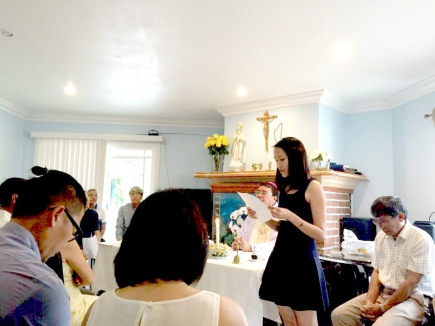
Before Ai Hoang left to serve as a Peace Fellow in Vietnam in June 2016, her family organized an event for her at her father’s church in California. The event raised a small amount of money and encouraged Ai to launch no fewer than three online appeals, which raised $4,500 for three Agent Orange families. Her father later visited Vietnam and donated to a fourth family and to the AEPD. Our heartfelt thanks to this remarkable family.

 Le Thi Phuong has a neuropathic disorder that caused paralysis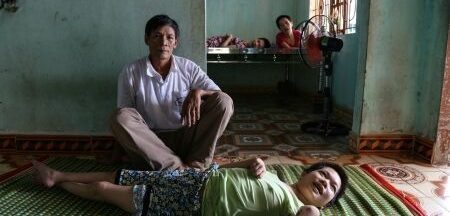
 This program is led by the Association for the Empowerment of Persons with Disabilities (AEPD) in Quang Binh province, Vietnam. It supports families that have been poisoned by Agent Orange, the dioxin-laden defoliant that was sprayed over South Vietnam by the US Air Force during the war to deny jungle cover to Viet Cong fighters and soldiers from the North. Quang Binh province alone has registered over 19,000 Agent Orange casualties.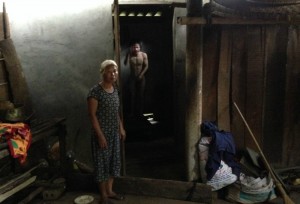


 Agent Orange comlicated relations between the governments of the US and Vietnam until 2007, when advocates from Vietnam and the US laid the basis for a less recriminatory approach by establishing the US-Vietnam Dialogue Group on Agent Orange/Dioxin. Presidents Obama and Truong Tan Sang built on this by developing a new “comprehensive partnership” in July 2013 that included a commitment to clean up heavily sprayed “hot spots,” including the former airports of Da Nang and Bien Hoa.